Full Article
about Hinojosas de Calatrava
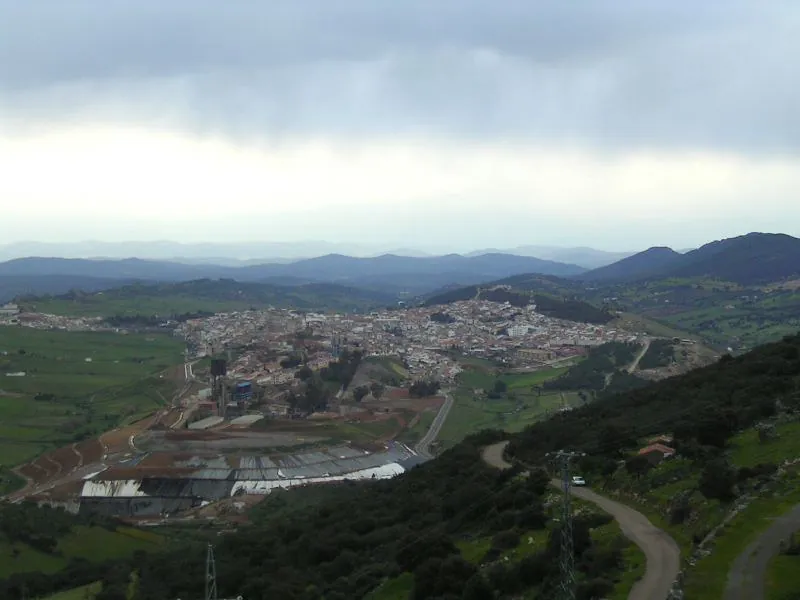
Mountain village with rural charm; panoramic views over the Valle de Alcudia and complete quiet.
Hide article Read full article
Hinojosas de Calatrava: el pueblo que no esperabas
Te pasa a veces, conduciendo por la carretera comarcal. De repente, el GPS te dice que has llegado, pero tú solo ves encinas y una señal. Hinojosas de Calatrava es ese tipo de sitio. No es un destino; es un lugar al que llegas porque la carretera pasa por ahí, en medio del Valle de Alcudia.
Aparece así, sin avisar: un grupo de calles tranquilas, unas quinientas personas y la sensación clara de que aquí los relojes van más despacio. A 760 metros, rodeado completamente de campo abierto, las casas son bajas y prácticas. Algunas encaladas, otras con la piedra vista. No hay fachadas para impresionar a nadie. Es un pueblo donde lo que importa siempre ha ocurrido fuera, entre los árboles.
Un lugar hecho a la medida del campo
Esto es la dehesa manchega. Un paisaje que en el mapa parece vacío y en persona es todo lo contrario: encinas dispersas como puntos en un lienzo enorme, ganado pastando a su aire y pistas de tierra que conectan cortijos y pueblos vecinos.
La vida aquí sigue ligada al terreno. Se cultiva cereal, se cría ganado y muchas fincas llevan generaciones en las mismas familias. Si llegas temprano, verás los tractores saliendo del pueblo; son el despertador de todo el mundo.
El tamaño del pueblo lo define todo. La vida se concentra en la plaza y unas pocas calles aledañas. Si te sientas un rato, acabas viendo pasar a media población. No es que no pase nada; es que todo pasa a la vista.
La plaza, la iglesia y una calle Mayor con carácter
Cerca del centro está la iglesia de San Bernardo. No es monumental, pero tiene peso. Hecha de piedra, con líneas sobrias, tiene esa presencia silenciosa de los edificios que han visto pasar generaciones enteras.
A su lado está la plaza principal, que hace las veces de salón del pueblo. Cuando hace bueno, los vecinos se sientan a charlar, a ver quién pasa y a dejar que la tarde se estire sin prisa. Es el mejor sitio para entender el ritmo del lugar.
De ahí sale la Calle Mayor, que conserva buena parte de su aspecto tradicional: portones de madera, fachadas sencillas y casas con patios interiores que apenas se intuyen desde fuera. No hay ostentación, pero hay carácter en los detalles.
Lo mejor está fuera: la dehesa infinita
La verdadera razón para parar en Hinojosas empieza donde acaba el asfalto. El paisaje del Valle de Alcudia lo domina todo.
La dehesa se extiende en todas direcciones. Encinas centenarias dan sombra al pasto y algún pequeño altozano te regala vistas sobre un mar ondulado de tierra y árboles. Parece simple a primera vista; si te quedas mirando, se vuelve complejo.
La fauna forma parte del paisaje. Con un poco de paciencia (y suerte) puedes ver ciervos, zorros o aves rapaces trazando círculos sobre las fincas. No hace falta ser experto: basta con caminar despacio y mirar al cielo de vez en cuando.
La sensación dominante es de espacio y silencio. No hay miradores señalizados ni infraestructuras para el visitante. Simplemente, cada cierto tiempo el terreno se levanta lo justo para ofrecerte una panorámica amplia del valle.
La ermita y las pistas que invitan a caminar
En las afueras está la ermita de Nuestra Señora de la Piedad. Pequeña, aislada y rodeada de campo abierto; su importancia para los locales va más allá de su arquitectura.
En fechas señaladas se convierte en punto de encuentro para romerías o celebraciones locales. No son eventos masivos; son reuniones familiares donde se comparte comida y gente que ahora vive fuera vuelve al pueblo unos días.
Su ubicación invita a dar un paseo lento desde el pueblo, sobre todo si te gustan los caminos rurales sin prisas.
Y alrededor de Hinojosas hay muchos así: pistas antiguas por las que antes se movía el ganado o se conectaba con pueblos vecinos. Hoy son rutas sencillas para caminar o ir en bici. El terreno es generalmente suave, sin cuestas pronunciadas, y tiene ese silencio profundo del campo abierto que cada vez se encuentra menos.
A veces el camino serpentea entre encinas con vacas pastando cerca; otras se abre por completo al valle, con el horizonte ancho e interrumpido solo por alguna línea lejana de árboles.
Fiestas vecinales y sabores contundentes
La vida cultural aquí gira alrededor de sus fiestas principales (la Virgen en verano). Hay procesiones por las calles céntricas (que son todas), música en la plaza durante unos días especiales… Muchos vecinos emigrados vuelven entonces para encontrarse con familiares o amigos antiguos. En cuanto a comer: aquí manda lo tradicional manchego. Platos contundentes como las migas pastoriles o el gazpacho manchego (que no tiene nada que ver con el frío andaluz; esto es un guiso caliente). El queso local suele aparecer también cuando hay una comida larga entre familiares o amigos. No vengas buscando atracciones turísticas ni itinerarios repletos. Hinojosas funciona si lo abordas con calma, entendiendo que su valor está en el ambiente y el paisaje, no en monumentos estrella. Un paseo por sus calles, una parada en la plaza, un recorrido lento por una pista rural… A veces eso basta para llevarte una idea bastante real de cómo es este rincón del Valle de Alcudia: hecho a medida del terreno y marcado por el ritmo constante de vida rural