Full Article
about Puertollano
Industrial city with a mining past and energy-focused present; it has interesting museums and the Fuente Agria, a ferruginous-water spring.
Ocultar artículo Leer artículo completo
The AVE train from Madrid pulls in after exactly 59 minutes. Passengers bound for Seville or Málaga barely glance up as the doors open at Puertollano, yet step onto the platform and you're 708 metres above sea level—higher than Ben Nevis's base camp—standing in Castilla-La Mancha's unlikely industrial capital. No windmills, no Don Quixote jokes, just the smell of coal dust that still lingers in the dry air.
A City That Forgot to Be Touristy
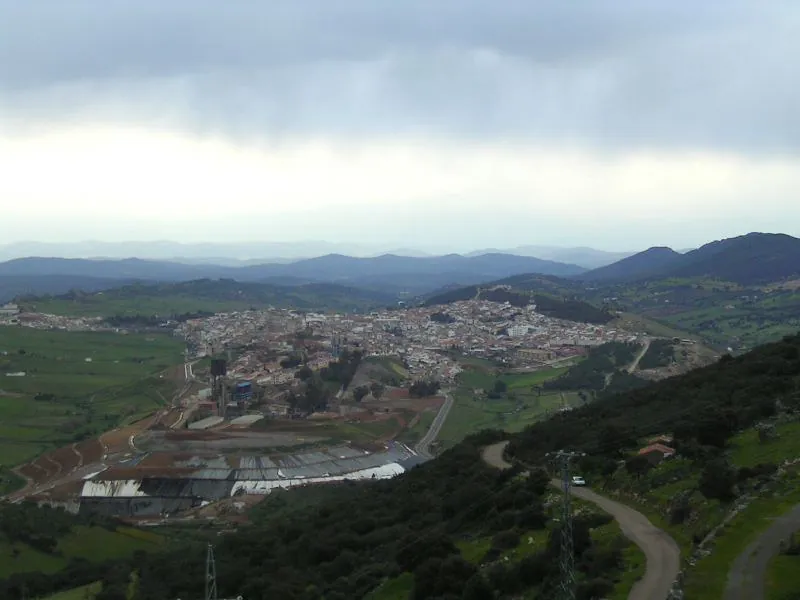
Puertollano's identity was forged underground. When sulphur was struck here in 1873, the agricultural hamlet became Spain's energy engine; by the 1950s the population had tripled and wide avenues were laid out to handle the traffic of miners' buses. The result is functional rather than beautiful—concrete apartment blocks painted the colour of ochre soil, shopfronts advertising work boots rather than fridge magnets. It's refreshing, in a region sometimes overly conscious of its own photo opportunities.
The compact historic core survives between Calle Juan Carlos I and Paseo de San Gregorio. Iglesia de la Asunción squats at the centre, a medieval church rebuilt so often that Romanesque arches rub shoulders with 1970s brickwork. Inside, the altarpiece still bears scorch marks from the Civil War when the building served as a munitions store. Locals will point out which statues lost their hands—revolutionary shorthand for "this one was valuable."
Plaza de la Constitución hosts the morning coffee ritual. Order a cortado at Café Bar Central (€1.40) and you'll share the counter with mining engineers discussing shift patterns alongside retired señoras in housecoats. Nobody switches to English; this is a town where Spanish is spoken fast and with the soft final consonants of Castilla-La Mancha. Attempt a "gracias" and you'll get a nod. Attempt a "buen provecho" and you'll get the day's gossip.
Industrial Landscapes Turned Inside Out
The old Pozo Norte tower dominates the northern skyline, its red brick chimney now encircled by a municipal park. Instead of extracting coal, the site extracts weekend leisure: children's climbing frames bolted to former washing platforms, interpretive boards explaining the 1941 explosion that killed 21 men. A circular walk takes 25 minutes; black-and-white photographs show the same ground covered in slag heaps and railway sidings. The transformation is so total it feels like a deliberate act of forgetting.
To understand what came before the mines, head to the Museo Municipal on Calle Santa Bárbara. Admission is free, though the attendant will appreciate a coin for the plastic donation globe. One gallery maps the volcanic field beneath the town—over 300 cones of extinct activity stretching across Campo de Calatrava. Another displays Bronze Age swords dredged from nearby Laguna del Alhorín. The captions are Spanish-only, but the artefacts speak clearly: this interior plateau has always offered more than wheat fields.
Outside town the landscape reasserts its geology. A 15-minute drive south on the CM-412 brings you to the edge of the volcanic park; pull in at the Cerro de la Yezosa viewpoint and you're staring into a perfect crater now filled with reeds. Flamingos sometimes stop here in spring, absurdly pink against the grey tuff. Tracks are unmarked and stony—hire a small car rather than risking the hire-company's insurance on a VW Polo.
Food Without the Fanfare
Lunch begins at 2 pm sharp. Most restaurants occupy ground-floor flats converted decades ago; look for hand-written menus taped to the door. Mesón Los Vences on Plaza Cristo Rey serves caldereta manchega that arrives still bubbling in a clay dish—lamb shoulder, red pepper, and a trace of saffron that stains the sauce sunset orange. A half-portion (€9) is enough if you plan to walk afterwards; full portions assume you've spent the morning underground.
Vegetarians do better with pisto manchego, a slow-cooked dice of aubergine and tomato topped with a fried egg. Casa Cándido's version includes a slug of the local PX sherry; the sweetness surprises British palates used to ratatouille. Order bread for dipping—it's charged by the piece (35 c) and arrives in a paper bag so you can count your guilt.
Cheese means queso manchego curado, here aged 12 months rather than the six-month version exported to UK supermarkets. Ask for it "con aceite" and the waiter will drizzle it with olive oil pressed 30 kilometres north in Almagro. The combination tastes like the plateau itself: grass, sun, and a whiff of sheep.
Timing the Visit (and Knowing When to Leave)
May and late-September offer 24 °C afternoons with cool mountain evenings. August climbs past 38 °C; the town empties as residents head to the coast, leaving shuttered streets and a single open ice-cream parlour doing heroic business. Winter nights drop to -3 °C—pack layers if you plan to ride the early train out.
Holy Week processions squeeze through the narrowest lanes, drums echoing off stone. If you dislike crowds, avoid the Thursday night parade when up to 15,000 visitors flood in from surrounding villages. Instead, come for the Fiestas de la Cruz in May: neighbourhood associations erect flower-decked crosses in tiny plazas, then defend their territory with free tapas and folk music that finishes before midnight. It's communal without being chaotic.
Leave time for a volcanic circuit. From the tourist office (open 10 am–2 pm weekdays) pick up the driving leaflet "Ruta de los Volcanes." The 68-kilometre loop links three lagoon viewpoints and the basalt quarry of El Tercio, where columns of cooled lava resemble a giant church organ. Mobile signal vanishes halfway round—download offline maps before departure.
The Honest Verdict
Puertollano won't make anyone's Instagram highlight reel. The shopping centre on Avenida de la Mancha could be anywhere in Mediterranean Europe, and night-time freight trains still rattle the cheaper hotels. Yet for travellers who prefer their Spain lived-in rather than curated, the town delivers something increasingly rare: authenticity without apology. Stay one night, walk the slag-heap park at sunset, drink metallic spring water from the public fountain, and catch the morning AVE south. You'll leave understanding why half of Spain's interior moved here for work—and why many never left.