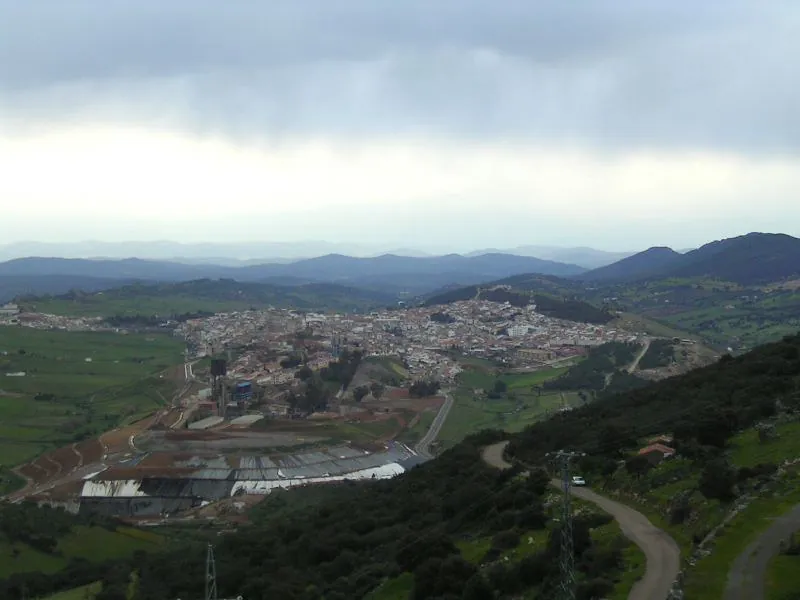
Vista aérea de Valdemanco del Esteras
Instituto Geográfico Nacional · CC-BY 4.0 scne.es
Castilla-La Mancha · Land of Don Quixote

Valdemanco del Esteras

The silence breaks with a cowbell. Not the decorative sort that hangs in gift shops, but a proper brass bell clanking against a Charolais heifer's ...

157 inhabitants · INE 2025
572m Altitude

Why Visit

Church of the Virgen del Valle Fishing

Best Time to Visit

summer

Virgen del Valle festival (August) agosto

Things to See & Do
in Valdemanco del Esteras

Heritage

  • Church of the Virgen del Valle
  • Esteras River

Activities

  • Fishing
  • Hiking
  • Summer swimming

Festivals
& & Traditions

Fecha agosto

Fiestas de la Virgen del Valle (agosto), San Blas (febrero)

Las fiestas locales son el momento perfecto para vivir la autenticidad de Valdemanco del Esteras.

Full Article
about Valdemanco del Esteras

Small riverside village on the Río Esteras; known for its quiet and untouched nature.

Ocultar artículo Leer artículo completo

The silence breaks with a cowbell. Not the decorative sort that hangs in gift shops, but a proper brass bell clanking against a Charolais heifer's neck as she ambles across the single-track road that doubles as Valdemanco del Esteras's high street. At 570 metres above sea level, this scatter of white-washed houses in the Valle de Alcudia operates on livestock time rather than any schedule you'll find online.

Three hundred souls call this place home, though you'd be forgiven for thinking it's fewer. The village spreads across a ridge with views across dehesa country—oak savannah that stretches until it blurs into summer haze. These aren't the postcard Spain of costas or the Moorish south. This is Castilla-La Mancha's cattle country, where granite outcrops punctuate rolling grassland and every farmhouse seems to have a story about the 1755 Lisbon earthquake knocking chunks from their walls.

The Church That Outlasted Everything

The Iglesia Parroquial sits at the village's highest point, its modest bell tower visible for miles across the dehesa. Built from local stone that shifts from honey to ochre depending on the light, it's survived everything from Napoleonic troops stripping its lead roof to locals nicking stones for pig pens. Inside, the walls bear layers of lime wash applied by generations—some thick enough to cover medieval frescoes, others so thin you can trace the stonework beneath.

The church's real treasure sits outside: a 16th-century stone cross that once marked the village boundary. Farmers still touch it for luck before driving cattle to summer pastures. The priest arrives twice monthly from Puertollano—more often during hunting season when sudden shotgun wounds need last rites rather than medical attention.

Sunday mass at 11am brings the closest thing Valdemanco sees to traffic. Pick-ups line the verge, their boots stuffed with feed sacks and veterinary supplies. The service runs precisely 42 minutes, time enough for the congregation to swap prices for Charolais bulls and complain about EU tagging regulations.

Walking Where Cattle Have Right of Way

The real Valdemanco reveals itself beyond the last streetlamp. Caminos veer off between stone walls, following ancient rights of way that predate the Reconquista. These aren't manicured footpaths—expect cattle grids, ford crossings, and the occasional fresh pat. The reward comes in solitude: walk fifteen minutes and you're more likely to meet a Spanish imperial eagle than another human.

Spring transforms the dehesa into something approaching a botanical garden. Between the oaks, wild tulips push through last year's leaf litter, followed by orchids that would make Kew jealous. The display peaks in late April when the campo becomes a patchwork of yellows—Spanish broom competing with wild mustard for attention. By June, everything's burnt to bleached blond except for the hardy lavender lining the tracks.

Autumn brings the berrea—the deer rut—when stags bellow across the valleys from dawn until dusk. The sound carries for kilometres, a primal noise that makes the hairs rise on your neck. Local knowledge points to the best listening spots: a limestone outcrop two kilometres west where the acoustics amplify every grunt. Bring binoculars and patience. The deer stay hidden until sunset, emerging from the oaks like ghosts.

Food That Requires Explanation

Valdemanco's gastronomy demands a strong stomach and flexible cholesterol levels. The village's single bar, Casa Manolo, opens when Manolo feels like it—usually weekends and the occasional Thursday. His wife Loli cooks whatever's seasonal: partridge stew in autumn, migas (fried breadcrumbs with everything from chorizo to grapes) in winter, and gazpacho manchego that's nothing like its Andalusian cousin. This version features rabbit and flatbread, served in terracotta bowls that retain heat until the last spoonful.

The couple keep their own pigs, slaughtering each January in the traditional way. Nothing's wasted—blood becomes morcilla, fat renders for cooking, even the skin crisps into chicharrones. British visitors often struggle with the matter-of-fact approach to butchery. Manolo's English extends to "You like?" while pointing at various bits. Nodding gets you the good stuff; hesitation earns you tripe.

For supplies, Valdemanco relies on weekly deliveries. The mobile bakery arrives Tuesday at 10am, its van horn announcing fresh bread and pastries. Thursday brings the fish van—Galician mussels and Andalusian prawns that have travelled further than most villagers ever will. The nearest proper shop sits 12 kilometres away in Almodóvar del Campo, its shelves stocked with everything from tractor parts to British teabags requested by the two expat couples who've settled nearby.

Getting Lost Properly

Finding Valdemanco requires commitment. From Ciudad Real, take the N-420 towards Puertollano, then turn south onto the CM-412. The road narrows after Almodóvar, climbing through olive groves before dropping into the Valle de Alcudia. Sat-nav gives up five kilometres out—download offline maps or risk following a grain lorry to someone's farmyard.

Public transport barely exists. One bus weekly connects to Ciudad Real on market day (Friday), returning three hours later. Miss it and you're hitchhiking. Car hire's essential, preferably something with ground clearance—the final approach involves a cattle grid and potholes deep enough to swallow a wheel.

Accommodation means the Airbnb cottage that's appeared in recent years, a restored stone barn with solar panels and a wood-burner. At €65 per night it sleeps four, though why anyone brings more than two people remains unclear. The owner, Pilar, lives in Madrid but returns monthly to check her almond trees. She leaves keys under a flowerpot and instructions about the composting toilet that deserve careful reading.

When to Cut Your Losses

Valdemanco isn't for everyone. July and August turn the dehesa into a furnace—temperatures hit 40°C by noon and stay there. The village empties as locals flee to coastal second homes. Even the cattle seek shade, clustering under oaks for siesta time that stretches until evening.

Winter brings the opposite problem. Altitude means frost from October onwards, with January nights dropping to -8°C. The track to the village ices over, leaving residents snowed in for days. Beautiful if you've stocked up on firewood and Rioja; terrifying if you're relying on that weekly bus.

The sweet spots come in late spring and early autumn. May sees wildflowers and comfortable walking weather—16°C at dawn, 24°C by afternoon. September brings the harvest, when locals gather almonds and olives, plus the added drama of migrating storks using the church tower as a waypoint to Africa.

Come prepared. Phone signal flickers between providers—Vodafone works on the church steps, Orange requires climbing the old fort ruins. Download everything before arrival. Bring cash—Manolo's never heard of contactless payment. And pack a sense of temporal flexibility. Here, "ahorita" (in a bit) could mean anything from ten minutes to next Tuesday. The cowbell sets the pace; everything else can wait.

Key Facts

Region
Castilla-La Mancha
District
Valle de Alcudia
INE Code
13086
Coast
No
Mountain
No
Season
summer

Livability & Services

Key data for living or remote work

2024
Connectivity5G available
HealthcareHospital 12 km away
Housing~5€/m² rent · Affordable
Sources: INE, CNMC, Ministry of Health, AEMET

Planning Your Visit?

Discover more villages in the Valle de Alcudia.

View full region →

More villages in Valle de Alcudia

Traveler Reviews