Full Article
about Nepas
Small rural settlement in the Almazán district
Ocultar artículo Leer artículo completo
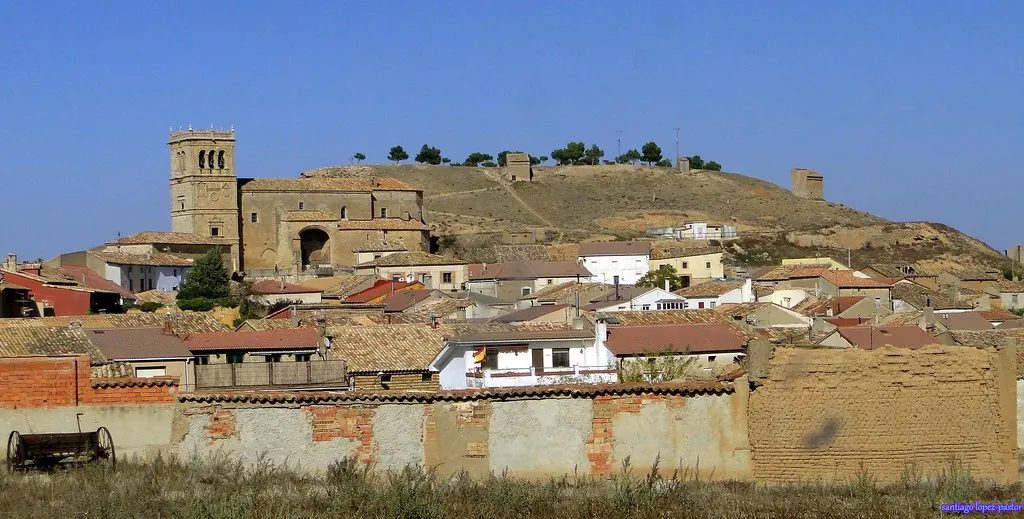
The church bell strikes noon, yet nobody appears. Not a single car passes, no shop door opens, no mobile phone disturbs the silence. At 1,050 metres above sea level, Nepas keeps its own timetable—one governed by wheat cycles, grazing sheep and the knowledge that Madrid lies two hours away but feels like another continent.
A Village that Refuses to Shout
Fifty-two inhabitants, according to the last padron, though locals insist the real figure dips below forty once winter takes hold. What began as a hilltop fortification against Moorish raids became a medieval farming settlement, then a way-station for transhumant shepherds driving flocks between summer and winter pastures. The stone walls remember all of it; the handful of modern breeze-block garages do not.
Approach from the SO-20 and the first sight is the 16th-century Iglesia de San Pedro, its tower patched with mismatched limestone after lightning split the original spire in 1897. The building is locked except for Sunday mass at 11:30, but the plaza in front offers a natural grandstand over the cereal ocean that stretches south towards Almazán. Stand here at dusk when the grain heads turn copper and you understand why Castilian painters never bothered with coastline—who needs the Atlantic when land itself behaves like water?
Inside the nave, should you time it right, the air carries frankincense, damp stone and something faintly metallic—perhaps the iron-rich well water that still supplies every house. No explanatory panels, no gift shop fridge magnets, just a single printed sheet noting that the baroque altarpiece was paid for with mercury royalties during Spain's short-lived silver boom.
Walking Where Only Footprints Listen
Leave the tarmac at the southern edge of Nepas and a lattice of agricultural tracks fans across the meseta. None are way-marked; the farmers assume you can read the landscape as they do. Head east for twenty minutes and you reach the abandoned cortijo of Los Llanos, roof long gone but bread oven intact—swallows nest where loaves once rose. Continue another kilometre and a Bronze-age burial mound breaks the flatness, its stones picked clean by wind that has had 3,500 years to practise.
For a circular route, swing north towards the pine-sprinkled rise of Monte de San Ginés (1,290 m). The climb is gentle—barely 150 m of ascent—but enough to bring the whole province into view: clusters of cereal silver, red-tile hamlets every eight kilometres, and the Sistema Ibérica a blue bruise on the horizon. Allow two hours including the coffee you won't find because there isn't any. Take water; the altitude dries throats faster than visitors expect.
Spring brings colour most travel magazines associate with Provence: crimson poppies, mauve wild gladioli, yellow pea flowers loud against black earth. By July the palette reduces to gold and beige; by October stubble burns in controlled squares that glow orange after dark like muted festival fireworks. Each season smells different—wet clay, broom, toasted straw—an olfactory calendar no app can replicate.
Calories and Conversation
Nepas itself offers no bar, no restaurant, no Sunday market stall. The last grocery closed when its proprietor, Doña Feli, died in 2018 aged ninety-three. What the place does provide is an education in self-catering Castilian style. Drive eight kilometres to Villar del Campo for bread baked in a wood-fired horno and still warm at 13:00 if you arrive before the baker's siesta. On Fridays a van selling fish from the Cantabrian coast parks beside the church at 11:00—hake so fresh it bends, not flops. Cheese? Track down the Queso Zamorano lorry that tours villages on Tuesdays; knock on the cab window and the driver will cut you a 400 g wedge aged six months, price €9, wrapped in paper that once packaged Madrid supermarket adverts.
To eat sitting down, continue to Almazán (18 km). Mesón del Cid serves lechazo—milk-fed lamb roasted in a clay dish whose glaze has blackened since 1942. Half a kilo feeds two hungry walkers, costs €28, arrives with a simple salad and house wine that tastes better when you remember the altitude outside. Book weekends; half of Soria city drives over for lunch.
When the Sky Turns Nasty
Winter is serious here. Temperatures drop to -12 °C, north-westerlies accelerate across unobstructed plateau, and the road from the N-111 can ice over before Madrid weather forecasts finish their coffee. Chains sometimes required between December and February; without them you may spend the night in the car listening to windscreens crack from thermal shock. On the other hand, clear days deliver razor-sharp light and the chance to see your own breath drift upwards like cigar smoke against cobalt sky—photographers call it "the Castilian blue hour" and it lasts all morning.
Summer compensates: daytime peaks of 28 °C feel cooler than coastal 24 °C thanks to the altitude and the constant, low-humidity breeze. Even in August you might need a jumper after 22:00 when terraces elsewhere in Spain still radiate stored heat. Rain is scarce but dramatic; storms arrive from the west looking like illustrations in a Victorian Bible, all purple cloud forks and theatrical thunder that echoes off granite escarpments.
Staying Over, or Why You Might Not
Accommodation within Nepas amounts to two rural houses: Casa del Medio (sleeps four, €90 per night, minimum two nights) and La Torreta (sleeps six, €130). Both are meticulously restored—underfloor heating, rainfall showers, Wi-Fi fast enough for a Zoom call should you wish to shatter the silence. Booking ahead essential; owners live in Soria and need 24 hours' notice to hand over keys. Alternative: Almazán offers three hotels including the Parador, occupying a 16th-century palace at €150 a night including VAT and that unmistakable chain-hotel scent of corporate lavender.
If camping is your thing, forget it. Wild pitches are technically allowed under Spanish law but locals phone the guardia if they see unfamiliar tents—too many memories of equipment vanishing during harvest season. Use the signed site at Monteagudo de las Vicarías, 35 minutes west, €12 a pitch with showers fed by mountain water so cold it reboots circulations.
The Festival No Guidebook Mentions
15 August, Fiesta de San Roque. Visitors rarely appear because nobody advertises. By 10:00 residents who left for Zaragoza or Barcelona decades ago park rental cars beside the church, boots full of supermarket bags. An open-air mass under a canvas awning, then cocido stew served from a cauldron that belonged to the priest who fled in 1936. Plastic plates, €3 donation, eat quickly before the dogs form a wagging semicircle. By 14:00 a brass band—three generations of the same family—plays pasodobles with more enthusiasm than tuning. Grandmothers dance with toddlers; someone produces a box of homemade aniseed biscuits that could chip teeth. At 17:00 the village is quiet again, only paper napkins blowing across the plaza to prove anything happened.
Nepas will never top a "must-see" list. It offers no souvenir beyond the sound of your own footsteps echoing off stone, no story except the one you invent while walking fields that have fed Spain since iron was new. Come if you want to remember how large the world feels when humans briefly step aside. Leave before the wind convinces you to stay forever—because the village needs new residents, but the silence prefers to choose them itself.