Full Article
about Abejar
Ocultar artículo Leer artículo completo
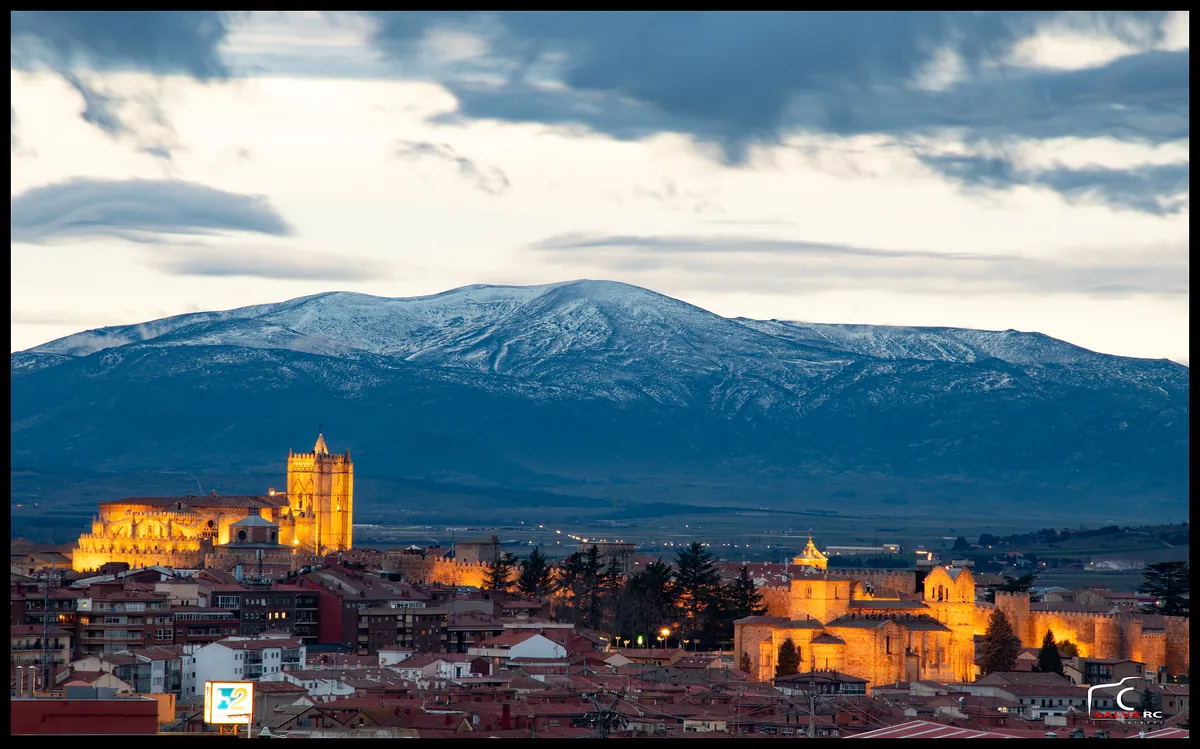
At 1,100 metres above sea level, Abejar sits high enough that the first morning breath tastes faintly of resin and altitude. Dawn light catches the stone bell-tower of Nuestra Señora del Rivero before it reaches the slate roofs below, and the village’s single petrol pump still carries a handwritten note: “Closed for lunch, back at five.” This is Spain, yes—but a version that feels closer to the Pennines than the Costas.
The Stone Ledger of a Highland Village
Walk the two main streets—Calle Real and Calle de la Iglesia—and you read a ledger of rural endurance. Granite cornerstones are chipped by century after century of winter ice; oak doors, iron-studded and swollen, need a shoulder to shift. The grandest houses carry coats of arms so weather-soft you need to run your fingers to feel the heraldic lion or castle. They were built by mule traders who followed the Cañada Real Leonesa, the still-visible drove road that once funnelled Merino sheep north to the Duero and south to winter pasture. Today the same route is a way-marked footpath; you meet more pine martens than muleteers.
Outside the church, a small plaque records the snowfall of January 2021: 92 cm in twenty-four hours. That statistic matters here. Winters are long, diesel freezes, and the council keeps a tractor permanently chained at the top of town for the first snowplough run. Summer compensates with dry, bright days—temperatures reach 28 °C at midday—but bring a fleece for the evening drop to 12 °C. British visitors regularly remark, “Just like an August night in Aviemore.”
Forests that Outvote the Town
Abejar’s parish boundary encloses 62 km² of Scots and black pine, a wooded quotient larger than Manchester yet home to barely 500 registered souls. Logging trucks rule the local roads; give way when you see sawdust blowing from the grille. The forest tracks double as walking routes: one gentle 7 km loop starts behind the cemetery, climbs through oak scrub, then flattens onto a fire-break where crossbills chatter overhead. Serious walkers can link up to the GR-86 long-distance path, but carry an OS-style print-out—phone signal dies within 200 m of the last farmhouse.
October turns the under-storey gold and brings out the mushroom knives. Spaniards arrive from Valencia and Madrid with wicker baskets and an encyclopaedic knowledge of what not to pick. Foreigners can join guided mycology days run by the tourist office (€15, includes lunch of scrambled eggs with trumpets of death—far tastier than the name suggests). A permit is legally required for any commercial picking; weekend amateurs get a 3 kg personal allowance but must still register online. Ignore the rule and the local forestry police issue on-the-spot fines of €300.
What Passes for a Menu
There is no Michelin aspirant in Abejar. What you get is mountain calories. Chuletón al estilo Soria arrives as a 1.2 kg T-bone, barely seasoned, sliced at the table with enough salt to make a cardiologist wince. Order it for two, or breakfast for three days. Vegetarians survive on setas a la plancha—wild mushrooms flash-fried with garlic—and the local sheep’s cheese, cured for eight months until it tastes like a mild Manchego without the tang. Wine lists rarely stretch beyond Rioja Crianza; at €2.80 a glass it would be rude to complain.
The only place reliably open on a Monday is Bar Deportivo, half sports café, half villagers’ living room. They serve breakfast until noon: tostada drowned in tomato, olive oil and, if you fancy, a blanket of jamón. Ask for coffee “con leche bien caliente” or the milk arrives lukewarm—high-altitude kitchens treat boiling as optional.
Practicalities the Brochures Skip
A car is essential. The Monday-to-Friday bus from Soria reaches Abejar at 14:15 and turns straight back; miss it and a taxi costs €40. Fill the tank in Soria—the village garage opens when the owner finishes his fields. August 15 week swells the population to 2,000 for the fiestas of San Bartolomé; expect brass bands at 03:00 and every spare room commandeered by second cousins. Book early or come in late September instead, when the patronales of Nuestra Señora del Rivero deliver the same processions but with half the decibels.
Accommodation is thin. Hostal La Trucha has eight rooms above the restaurant, all with pine headboards and bathrooms the size of a ship’s cabin (doubles €55, no lift). The municipal albergue charges €12 for a bunk, but doors lock at 22:00 sharp; forget the pub-after-dinner plan. Motor-home drivers fare better: the free aire behind the polideportivo offers grey-water disposal and a tap, plus a five-minute walk to the bars—rare in rural Spain.
The Laguna That Isn’t Here
Guide websites still call Abejar the “gateway to the Laguna Negra.” It isn’t. The glacial lagoon sits 20 minutes farther up the CL-116 in Vinuesa. Drive there, pay €2 for parking, then tackle the 4 km forest track that corkscrews to the cliff-ringed lake. Abejar works better as an overnight staging post: wake early, reach the trail-head before the coach parties, and you’ll share the black water with only a handful of red squirrels.
If you stay local, the mirador below Pico Frentes gives a comparable view without the coach park. The gravel road is signed “Camino de la Mina” and negotiable in an ordinary hatchback if taken slowly. From the picnic tables you look south across the pinewaves toward the Duero canyon, a vista uninterrupted except for the occasional vulture sliding past at eye level.
When to Cut Your Losses
Abejar will not entertain you. It offers thin air, stone walls and a forest you can vanish into for hours. When the mist drops or the bars close early, you notice how few pavements are lit and how quickly the village tucks itself in. Bring a book, download an offline map, and regard any conversation struck up in the bakery as a bonus. Do that, and the altitude works its slow alchemy: Madrid feels weeks away, even though the motorway home is only two hours down the hill.