Full Article
about Arauzo De Miel
Ocultar artículo Leer artículo completo
The Village That Honey Built
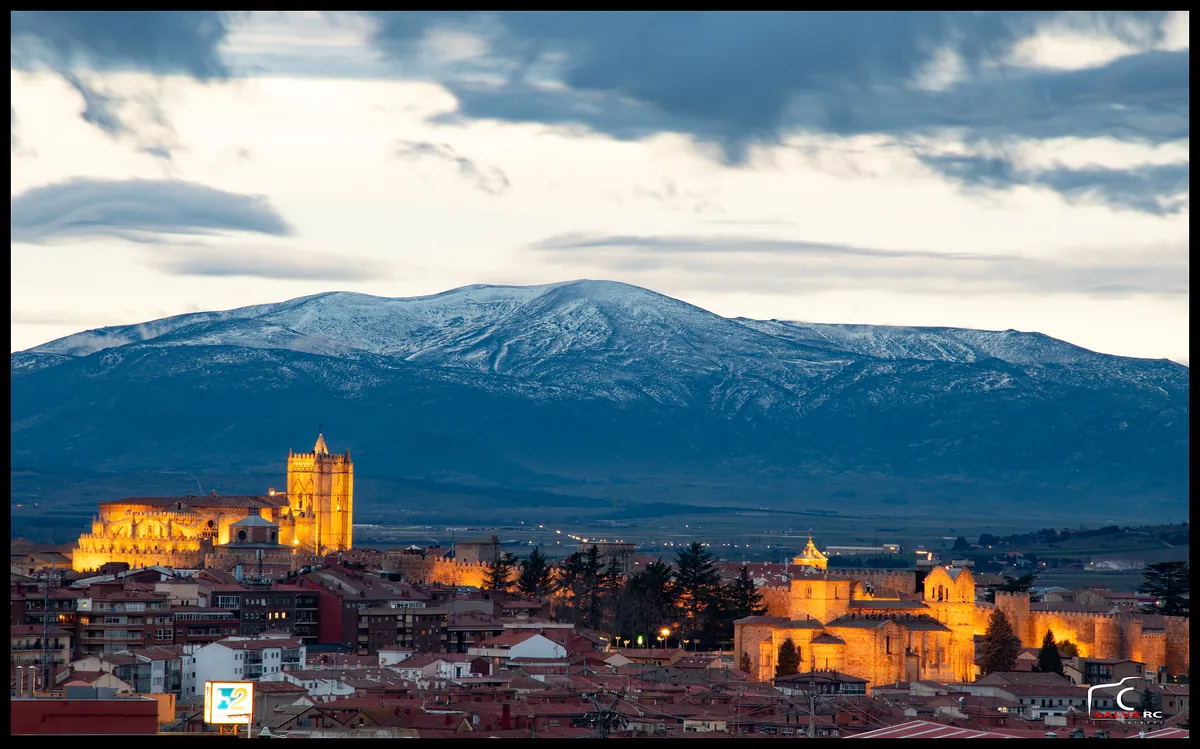
At 1,000 metres above sea level, Arauzo de Miel sits where the air thins and pine forests thicken. The name translates literally to "honey ford"—a reference to the beehives that sustained this Castilian village for centuries. Today, those apiaries remain, though their buzz competes with the wind that sweeps across the Sierra de la Demanda.
The altitude matters here. Summer mornings start cool, even in August, and winter arrives early. Snow can cut the village off for days, though the BU-550 regional road usually stays clear. What this means for visitors is simple: pack layers, whatever the season, and don't trust the weather forecast from Burgos city—conditions change dramatically between valley and village.
Stone houses cluster around the 16th-century Church of San Pedro like barnacles on a rock. Their terracotta roofs weather to moss-green in the damp shade of the pines. Walk the narrow lanes and you'll notice the silence—proper silence, not the muffled quiet of tourist traps. Between Monday and Thursday, you might share the entire historic centre with three pensioners and a cat.
Walking Where Shepherds Once Trod
The real draw lies beyond the village limits. Ancient paths spider-web across the hills, originally carved by shepherds moving livestock between summer and winter pastures. These cañadas—droving routes—now serve hikers rather than sheep. The PR-BU 71 trail heads north towards the abandoned village of Arauzo de Valdehierro, a 12-kilometre round trip that gains 400 metres in elevation. The path is marked, but sporadically; downloading the route to your phone beforehand prevents wrong turns that could add hours to your walk.
For something gentler, follow the Arroyo de las Tres Fuentes. This 45-minute loop starts behind the cemetery and follows a stream to three natural springs. The water tastes metallic—iron-rich from the surrounding rock—but locals swear by its digestive properties. Bring a bottle; plastic waste isn't tolerated here, and bins are few.
Mountain bikers find their playground on forest tracks that radiate from the village. The track to Monte Herrera climbs steadily for 8 kilometres, rewarding effort with views across the entire Sierra de la Demanda. Mountain bikes can be hired in Salas de los Infantes, 25 minutes' drive north—call Ciclos Sierra on +34 947 290 012 the day before, as their stock is limited.
The Mushroom Hunter's Secret Season
October transforms the village. When autumn rains coincide with cool nights, the pine forests explode with fungi. Boletus edulis—porcini to British readers—fetch €40 per kilo at Burgos market, so locals guard their spots jealously. Visitors can join the hunt, but rules apply: obtain a free permit from the town hall (open 9am-2pm weekdays), stick to the 2-kilo daily limit, and never use rakes—the ecosystem depends on intact forest floor.
The mushroom festival, usually held mid-October, isn't advertised internationally. Dates shift depending on the harvest; ask at Bar Nuevo on Plaza Mayor for confirmation. Expect communal lunches where families share vast platters of revuelto de setas—scrambled eggs with wild mushrooms—paired with local red wine that costs €2.50 a glass.
Winter brings different challenges. Temperatures drop to -10°C, and the BU-550 can ice over. Chains become essential, not optional. But for those prepared, snow-shoeing through silent forests offers pure magic. The tourist office—really just a room in the town hall—loans snowshoes for free with a €20 deposit. They're closed weekends December through February, so plan accordingly.
Eating Like You're Family
Forget tasting menus. Arauzo de Miel feeds visitors like extended relatives who've stayed too long. At Bar Nuevo, the only proper restaurant, three courses cost €12 including wine. The sopa castellana arrives in bowls big enough for washing up—garlic broth loaded with bread, ham, and poached egg. It's peasant food elevated by technique: the stock simmers for eight hours, bones roasted first for depth.
The village's namesake honey appears everywhere. Miel de brezo—heather honey—tastes darker and more medicinal than English varieties. Local women sell it from kitchen tables; knock on doors displaying handwritten "Miel" signs. Expect to pay €8 for a 500g jar, considerably less than Burgos shops charge.
Meat rules here. Vegetarians struggle—even vegetable dishes contain jamón stock. The cordero lechal—milk-fed lamb—comes from flocks that graze the surrounding hills. Order 24 hours ahead anywhere serving it; these lambs aren't kept frozen. A half-lamb feeds four generously and costs around €45.
For self-caterers, the supermarket in Salas de los Infantes offers better selection than the village shop. The latter closes 2-5pm daily and all day Sunday. Fresh bread arrives at 8am; by noon only pan de pueblo remains—dense sourdough that keeps a week.
Getting There, Staying Put
Burgos, with its high-speed rail link to Madrid, lies 75 minutes' drive north. Car hire becomes essential—public transport barely exists. Two daily buses connect Burgos to Salas de los Infantes; from there, taxi costs €25 to Arauzo de Miel. Pre-book through Taxi Salas (+34 608 456 789) as vehicles aren't stationed waiting.
Accommodation options remain limited. Casa Rural La Demanda offers three bedrooms in a restored 18th-century house—€80 per night for the whole place, minimum two nights. Owner María Jesús speaks no English but communicates magnificently through gesture and tortilla. Alternatively, rooms above Bar Nuevo cost €30 including breakfast—basic but clean, with bathrooms down the hall.
The altitude affects sleep. At 1,000 metres, dehydration headaches plague visitors who forget to drink more water than usual. The dry mountain air parches skin too—pack moisturiser, whatever your gender.
Arauzo de Miel won't suit everyone. Nightlife means drinking wine with locals until the bar closes at 11pm. Shopping options extend to honey, cheese, or walking sticks carved by the mayor's brother. Rain can strand you indoors for days, and English isn't spoken—your Spanish needs to stretch beyond "una cerveza, por favor."
But for walkers seeking empty trails, for mushroom enthusiasts tired of over-hunted British woods, for anyone wanting to experience rural Spain as it actually functions rather than performs—this honey-ford village delivers. Just remember: the sierra gives nothing easily. Come prepared, tread lightly, and the mountains might share their secrets.