Full Article
about Barbadillo Del Pez
Ocultar artículo Leer artículo completo
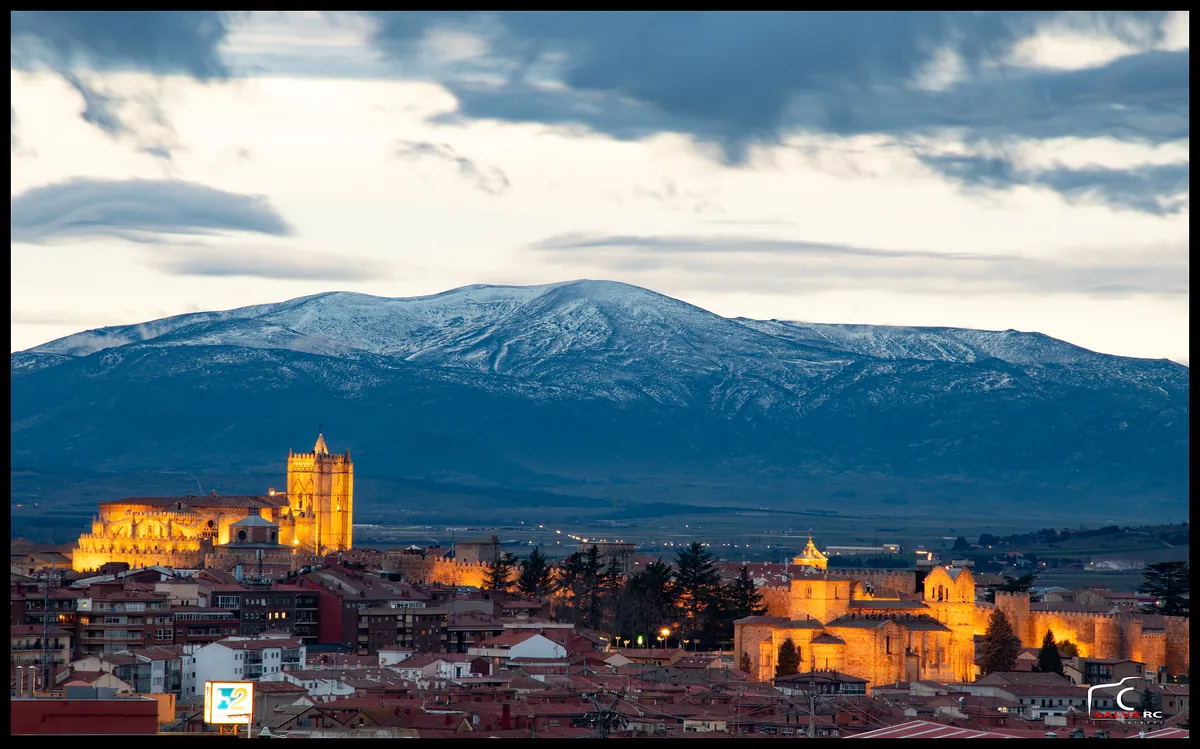
The beech leaves crunch like cornflakes underfoot in late October, releasing a smell somewhere between damp earth and black tea. Barbadillo del Pez sits at 1,150 metres in the Sierra de la Demanda, high enough that the village keeps its winter coat on long after Burgos city has shrugged off the chill. Mobile reception flickers in and out here; the real signal comes from the hayedo above town, which turns a theatrical gold for about ten days each autumn and draws weekend visitors up the sinuous BU-533.
Stone houses shoulder together against the cold. Their walls, sixty centimetres thick, were quarried from the same sierra that blocks the road after heavy snow. Oak beams, tar-black with age, jut beneath slate roofs designed to slide off a load of powder. You notice the carpentry more than any grand monument: the iron shoeing posts still bolted to some doorways, the timber balconies wide enough to hang a whole pig, the bread ovens built into gable ends now filled with firewood rather than dough.
The Sound of Water at Minus Five
Trout streams—Arroyo de Barbadillo, Río Urbel—braid the valley floor. Brown trout hover in the deeper pools, though fishing licences are now strictly controlled and a day permit costs €24 from the regional office in Salas de los Infantes. Locals grumble that the catch is smaller than it was, but the water still runs clear enough to bottle; bring a filter and you can top up while walking. In January the surface freezes to paper-thin ice that creaks like old floorboards when a fox crosses at dawn.
Walking is what the place does best. A spider’s web of livestock tracks climbs from the upper edge of the village into the Sierra de la Demanda. The easiest outing follows the forest road signed “Arroyo de las Ollas” for 4 km, gaining only 180 m of height and ending at a picnic spot where limestone cliffs drip with icicles until April. Mapa Topográfico 117-III (1:25,000) covers the area and sells for €9 in the Burgos bookshop on Calle de la Paloma; GPS tracks exist, but the brown-and-yellow paint flashes on rocks are fading, so carry paper as backup.
Ambitious walkers can continue to the ridge at Cueto de San Bartolomé (1,834 m), a six-hour round trip that passes the abandoned shepherd hamlet of Liceras. Snow patches often linger on the north-facing slope until May; gaiters are worth packing. The reward is a view that stretches south to the Duero basin, a corrugated carpet of pine and beech broken only by the white villages of the Arlanza valley.
When the Village Re-inflates
Barbadillo shrinks to 80 permanent residents each February. Numbers quadruple in August when emigrants return for the fiestas patronales held around the Assumption. Suddenly every stone garage becomes a pop-up bar, a marquee appears on the football pitch, and the night air fills with the metallic clack of traditional dances whose steps haven’t changed since the 1930s. If you dislike amplified brass bands, avoid 14–16 August; rooms triple in price and the single grocery orders extra crates of beer instead of milk.
Outside fiesta week, eating options are limited. Bar Restaurante El Pez, on the main street opposite the church, opens Thursday to Sunday and serves a €12 menú del día: garlic soup, roast lamb shoulder, and a half-carafe of local tinto. Vegetarians get a baked aubergine with tomato and onion; vegans should ask for the same without cheese. The nearest alternative is in Salas de los Infantes, 18 km down the valley, where Casa Amalia offers bean stew with wild mushrooms for €14 and has no objection to English-language menus, though the translations can be creative—“mountain pig” turns out to be wild boar.
Getting Up and Getting Stuck
The drive from Burgos takes 55 minutes on a good day. Leave the A-1 at junction 230, follow the N-120 towards Logroño for 23 km, then turn left on the BU-533. The final 13 km twist through pine plantations and over the 1,350 m Puerto de la Sia; in March the tarmac can be polished to black ice by overnight frost. Winter tyres are not mandatory but highly advisable; the Guardia Civil will turn you back if snow is falling and you are on summer rubber. A 4×4 is overkill unless a full blizzard is forecast, when chains on the front wheels suffice.
No bus reaches the village. The weekday service from Burgos to Salas de los Infantes (€5.40, 1 h 15 min) connects with a twice-weekly minibus that terminates at Barbadillo on Tuesdays and Fridays at 17:30. Miss it and a taxi costs €35. Car hire at Burgos railway station starts at €28 a day for a Fiat 500 with winter tyres included; book ahead in ski season because fleet numbers are small.
Accommodation is mostly self-catering. Four village houses have been restored as tourist rentals; two sleep four, two sleep six. Expect stone floors, wood-burning stoves, and Wi-Fi that copes with email but buckles under Netflix. Prices hover around €90 per night for the whole house in low season, rising to €140 during autumn colour weekends. The only hotel-style option is the three-room Casa de los Árboles, run by a retired forestry engineer who serves breakfast with honey from his own hives and will lend snow-shoes if conditions allow.
What the Brochures Leave Out
Spring arrives late; night frosts can puncture the vegetable patch until mid-May. Pack layers even in June—afternoons might hit 24 °C, but after sunset the mercury slides to 7 °C. Mobile data drops to 3G inside the church walls, and the single cash machine in Salas swallows cards on a whim; bring euros. The village pump, installed in 1923, still works, but the water is untreated—boil or filter before drinking.
On the other hand, the night sky is properly dark. Walk 200 metres beyond the last streetlamp and the Milky Way spills across the horizon like spilled sugar. Owls call from the church tower, and if you stand still long enough a genet may slink across the lane, its banded tail lit by moonlight. The sierra keeps its own schedule: quiet, weathered, and indifferent to whether you post about it later. Come prepared, tread lightly, and it will still be here when the snow returns.