Full Article
about Barrios De Colina
Ocultar artículo Leer artículo completo
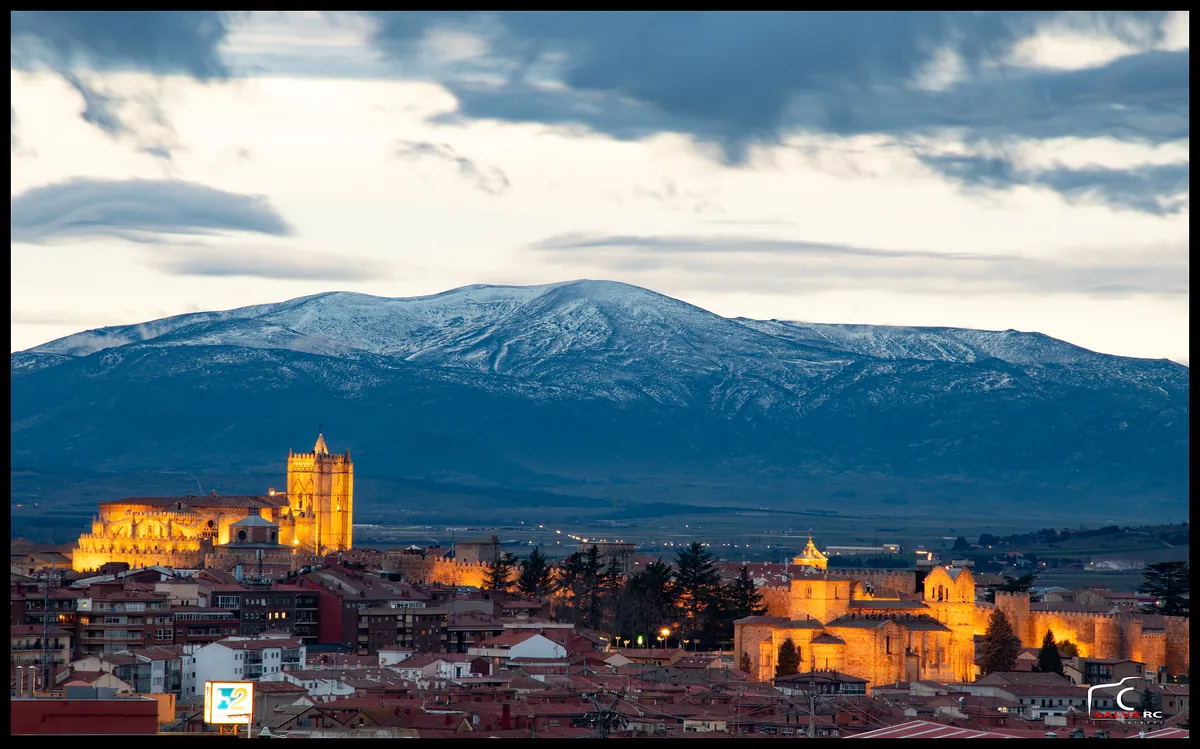
The BU-701 turns off the N-120 just after a roadside shrine to the Virgin whose paint has blistered in the plateau wind. Twenty minutes later the tarmac narrows, hedges disappear, and the land tips upwards so gently you notice only because your ears pop. At 966 metres above sea level, Barrios de Colina sits on a ridge that lets you look east over the cereal ocean of Castilla and west towards the first wrinkles of the Sierra de la Demanda. On a clear morning the horizon is ruler-straight; by late afternoon thermals kick up dust devils that dance between the wheat rows like small, absent-minded tornadoes.
Most visitors come by accident—an extra notch on the hire-car dial after a morning in Burgos cathedral—yet the village repays a deliberate stop. Stone-and-adobe houses still carry the ochre wash their great-grandparents mixed from local clay, and the parish church of San Martín & Santa Lucía has only just reopened after three decades locked against woodworm and rain. Inside, the nave smells of new mortar and cold incense; the font is 16th-century, deep enough to baptise a baby without splashing the hem of the priest’s cassock. English labels are non-existent—download a Spanish-offline translator before you leave the city, or simply enjoy the silence that follows the clang of the heavy door.
Silence is, in fact, the main commodity. The last grocery shut in 2021, the school has eight pupils, and the evening soundtrack is a competition between distant tractors and skylarks. Bring water and whatever you fancy eating; the only reliable food within a kilometre is the asador in Hiniestra, where the owner will sell you a half-ración of lechazo if you ring the bell twice. Full Spanish portions can overwhelm solitary travellers, so the option of “media” is welcome. Order sopa de ajo castellana: the local version is heavy on bread and smoked paprika, light on the garlic that scares off British palates, and costs €4.50 with a slab of yesterday’s loaf.
Walking options are straightforward rather than dramatic. A farm track drops south-east from the church towards an abandoned threshing floor; follow it for twenty minutes and you reach a stone cross where medieval herders once prayed before driving sheep south for winter. Continue another half-hour and the path meets the Cañada Real Leonesa, still marked by hoof-polished granite. Spring brings purple viper’s bugloss between the wheat stalks; September turns the fields to gold so bright it hurts to look at midday. Either season is kinder than July, when shade is theoretical and the thermometer nudges 36 °C. Winter, by contrast, can deliver sledgable snow: the ridge catches Atlantic storms that slip past Burgos, and the BU-701 is occasionally closed after dusk while the grader clears drifts.
Birdlife follows the farming calendar. From March to early May wheatears and whinchats perch on every fence post; late August skies fill with honey-buzzards sliding south along the thermals. No hides, no entrance fee—just a pair of binoculars and the patience to stand still while the fields breathe. Photographers do better at dawn or just before the 9 pm summer sunset; the high plateau gives almost an hour of sideways light that turns stone walls translucent and stretches shadows halfway to Rioja.
Practicalities are blunt. Mobile signal flickers between one bar and none; Vodafone users fare marginally better than EE. Download offline maps before you leave Burgos, because the final junction is unsigned after dark and Spanish drivers assume you know where you’re going. Petrol stations close at 21:00 even in the provincial capital—fill up before the turn-off. If you fancy staying overnight, Apartamentos Trébede has three flats above the old bakery (book by ringing 947 560 092; the caretaker speaks only Spanish, so prepare a phrase). Families sometimes prefer Casa Rural La Yedra down the lane in Palazuelos: small pool, three bedrooms, and enough garden to exhaust children while parents stare at the Milky Way—a sight impossible in most of Britain now.
The village’s single fiesta, held the weekend closest to 10 October, honours the Virgen del Rosario with a communal paella and a brass band that rehearses for weeks in the old grain store. Visitors are welcome, though seating is bring-your-own-chair and the wine arrives in plastic jugs. Fireworks echo off the ridge, sounding uncannily like artillery practice from the nearby military zone; dogs and war veterans may wish to stay away.
Come late, leave early, and you will have seen a fragment of Castilla that package coaches bypass. Barrios de Colina offers no souvenir shops, no audio guides, no Instagram swing hanging from a cliff. What it does offer is a measurable drop in blood pressure—scientifically unverified, but noticeable somewhere between the first lark song and the last kilometre of empty wheat trail back to the car.