Full Article
about Berzosa De Bureba
Ocultar artículo Leer artículo completo
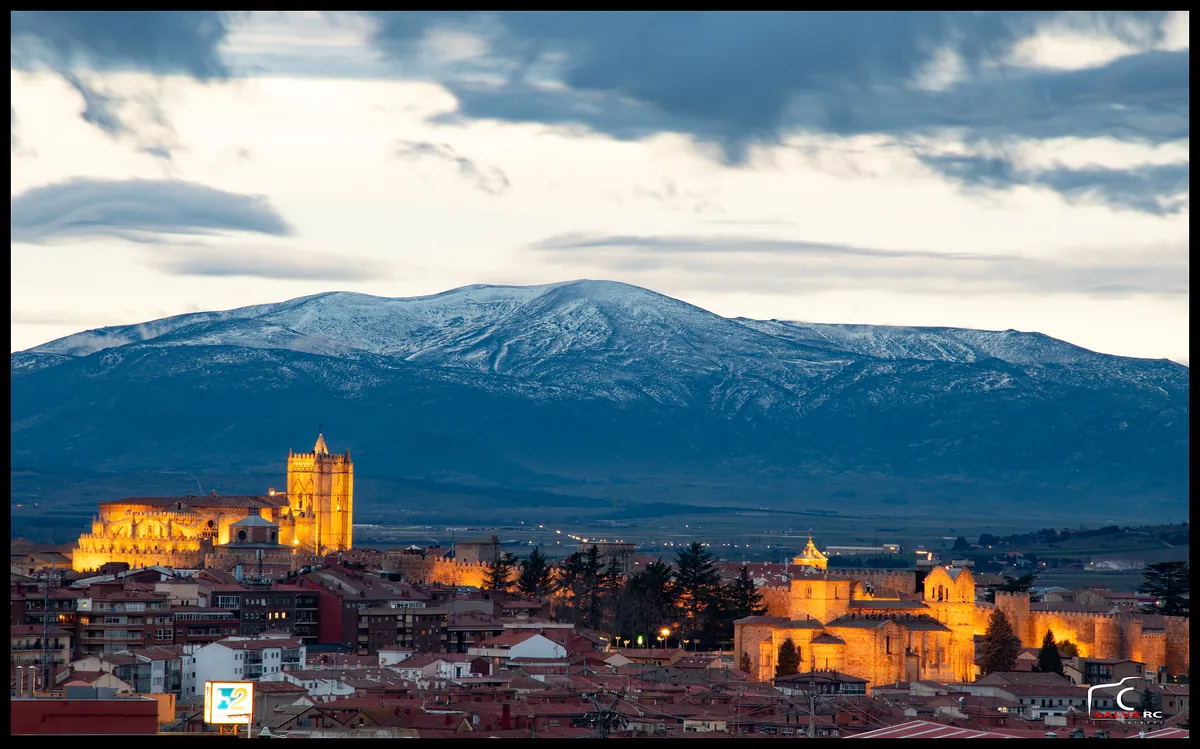
The church bells strike noon, and for a moment the only sound in Berzosa de Bureba's main square is the flutter of storks' wings overhead. At 700 metres above sea level, this Castilian village sits where the flat meseta begins its climb towards the Basque mountains, creating a landscape that shifts from wheat fields to rolling hills within a few kilometres' drive.
The altitude makes itself known immediately. Even in late spring, mornings carry a sharpness that sends visitors reaching for jackets they'd packed away after Madrid's heat. By afternoon, the temperature swings can be dramatic—twenty-degree differences between dawn and dusk aren't unusual. This continental climate shapes everything here, from the thick stone walls of houses to the rhythm of daily life that pauses during the intense summer siesta hours.
Berzosa's position on this geographical threshold has made it a waystation for centuries. The village lies along one of the Iberian Peninsula's oldest trading routes, a fact that becomes apparent when tracing the worn cobblestones leading past stone houses with wooden balconies. These buildings aren't museum pieces but working homes, many still bearing the original family names carved above doorways dating to the 1700s.
The Architecture of Survival
Walking through Berzosa means reading a story of adaptation written in stone and timber. The parish church dominates the skyline—not through grandeur but through sheer presence, its squat tower rebuilt multiple times after wars and weather. Inside, layers of history reveal themselves: Romanesque foundations support Gothic arches modified during the Renaissance, each renovation adding another chapter to the village's survival story.
The houses tell similar tales. Thick walls of local limestone keep interiors cool during summer's dry heat and retain warmth through winter's harshness. Wooden beams, darkened by centuries of smoke, support roofs angled sharply to shed snow when temperatures drop below freezing for weeks. Many buildings still incorporate their original animal stalls on ground floors—a reminder that here, families and livestock weathered winter together for generations.
Some properties show recent renovation attempts using modern materials. These concrete additions sit awkwardly beside their stone neighbours, creating a streetscape that speaks honestly of rural Spain's ongoing tension between preservation and progress. It's refreshingly unvarnished—this isn't a village manicured for tourism but one finding its way in the 21st century.
Walking the Agricultural Calendar
The landscape surrounding Berzosa operates on agricultural time. Spring brings electric-green wheat shoots pushing through red earth, creating a colour combination that painters have tried—and largely failed—to capture. By July, these fields turn golden, rippling like waves under the constant wind that defines this elevated plateau. Autumn strips everything back to ochre and brown, revealing stone walls and ancient pathways hidden during summer's abundance.
Several walking routes radiate from the village, though calling them "routes" might overstate matters. These are agricultural tracks used by farmers accessing their fields, marked only by the wear of tractors and the passage of hooves. A particularly rewarding path leads three kilometres northwest to the abandoned hamlet of Los Barrios de Bureba, where roofless houses stand as monuments to rural depopulation. The walk takes forty minutes each way across gently rolling terrain—no specialised equipment required beyond sensible footwear.
Birdwatchers should bring binoculars. The open farmland attracts species rarely seen in Britain: great bustards strut through cereal fields while griffon vultures circle overhead, their three-metre wingspakes riding thermals rising from the plateau. Early morning walks offer the best sightings, when agricultural activity remains minimal and wildlife ventures closer to village edges.
The Reality of Rural Dining
Food here requires planning. Berzosa itself offers no restaurants or cafés—just a small shop whose opening hours fluctuate with agricultural seasons and owner's family commitments. The nearest reliable meal options lie fifteen minutes' drive away in Busto de Bureba, where Mesón Asador El Caserío serves local lamb roasted in wood-fired ovens and morcilla de Burgos worth travelling for. Expect to pay €18-25 for a substantial lunch including wine.
Self-catering presents challenges but rewards persistence. The village shop stocks basics: bread, cheese, tinned goods, local eggs when chickens cooperate. For anything beyond necessities, Monday morning means driving 25 kilometres to Medina de Pomar's weekly market. Here, regional specialities appear: piquant cheeses made from sheep's milk, chorizos air-dried in mountain caves, honey harvested from thyme-covered hillsides. Prices run lower than British farmers' markets—€4 buys enough cheese for several days, €8 purchases a proper chorizo worth smuggling home.
Access and Practicalities
Reaching Berzosa requires wheels. No public transport serves the village; the nearest bus stop sits eight kilometres away in Villanueva de la Nía, served twice daily from Burgos. Car hire from Burgos runs €35-45 daily—essential for exploring but factor in fuel costs for village-hopping across La Bureba's dispersed settlements.
Accommodation options remain limited. The village offers one rental house, Casa Rural El Torru, sleeping six from €80 nightly. Booking requires Spanish language skills—online translation struggles with regional dialect terms. Alternative bases include Medina de Pomar (20 minutes' drive) with several hotels and rural houses, better suited for those wanting restaurant access and services.
Winter visits demand preparation. When snow falls—common from December through February—the approach road becomes treacherous. Chains or winter tyres prove essential, and power cuts lasting several hours occur during storms. Summer brings opposite challenges: temperatures reach 35°C, water restrictions activate during drought years, and afternoon walking becomes unpleasant under intense high-altitude sun.
Beyond the Village
Berzosa works best as a base for exploring La Bureba's scattered treasures rather than a destination itself. Within thirty minutes' drive lie Romanesque churches containing medieval frescoes, abandoned villages slowly returning to earth, and medieval bridges crossing rivers that once marked kingdom boundaries. The regional capital, Burgos, sits forty minutes south—close enough for cathedral visits and tapas hopping, far enough that Berzosa's night sky remains dark enough for spectacular stargazing.
This is Spain stripped of flamenco and package tourism, where British visitors remain novel enough to prompt curious questions from locals. Conversations might be limited by language barriers—English speakers are rare here—but attempts at Spanish generate warmth disproportionate to linguistic competence. The village offers something increasingly precious: authenticity without performance, where daily life continues regardless of visitor presence.
Come prepared for solitude, limited services, and weather that can turn hostile without warning. Berzosa de Bureba rewards those seeking rural Spain's reality rather than its romanticised version. The bells will still strike noon tomorrow, the storks will still circle overhead, and the wheat will still grow whether you visit or not. There's comfort in that continuity.