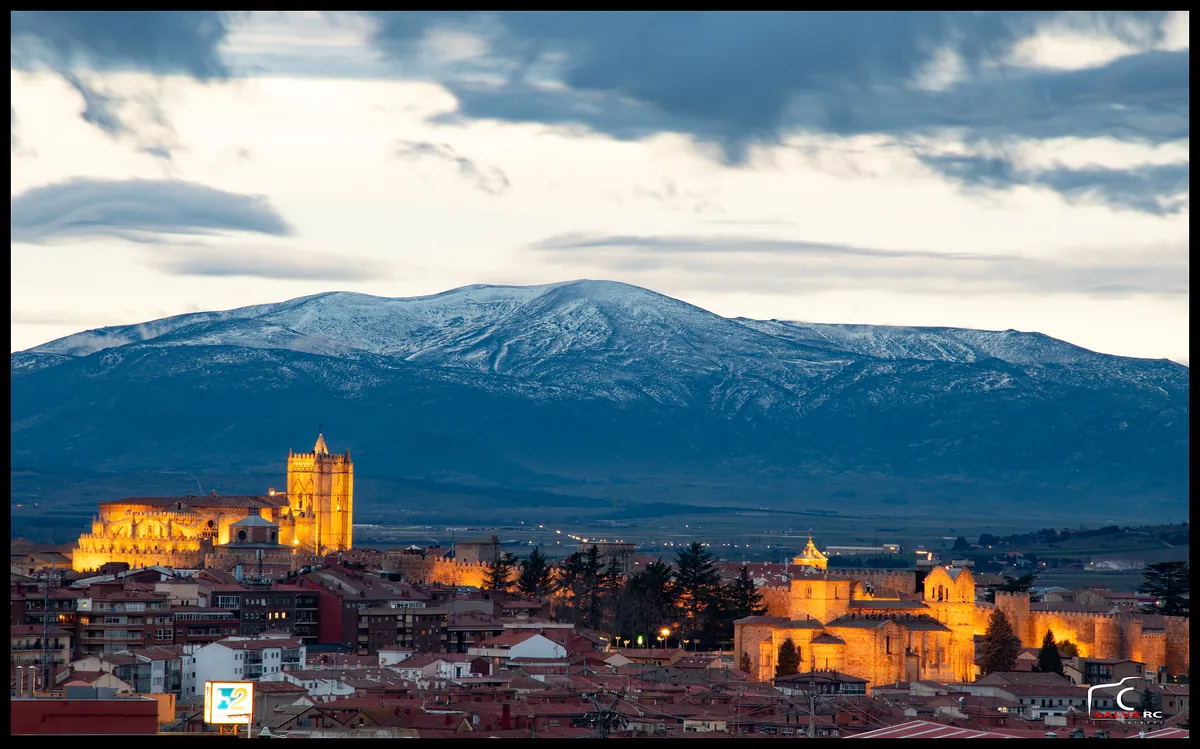
Vista aérea de Bularros
Instituto Geográfico Nacional · CC-BY 4.0 scne.es
Castilla y León · Cradle of Kingdoms

Bularros

The church bell strikes eleven and the only other sound is a tractor starting up somewhere beyond the stone houses. In Bularros, population fifty-f...

55 inhabitants · INE 2025
1169m Altitude

Why Visit

Mountain Church of San Ginés Hiking

Best Time to Visit

summer

San Ginés Festival (August) agosto

Things to See & Do
in Bularros

Heritage

  • Church of San Ginés
  • Hermitage of the Christ

Activities

  • Hiking
  • Visit to the hermitage

Festivals
& & Traditions

Fecha agosto

Fiestas de San Ginés (agosto)

Las fiestas locales son el momento perfecto para vivir la autenticidad de Bularros.

Full Article
about Bularros

Set in a transition zone between mountains and plain; a landscape of rocky outcrops and pastures.

Ocultar artículo Leer artículo completo

The church bell strikes eleven and the only other sound is a tractor starting up somewhere beyond the stone houses. In Bularros, population fifty-five, time isn't measured by traffic lights or coffee chains but by the sun climbing over the Sierra de Ávila and the grain ripening in surrounding fields. At an altitude where most British hills would already have peaked, this Castilian hamlet sits level with the clouds, looking down across a patchwork of oak-studded farmland that stretches halfway to Portugal.

Stone, Sky and Silence

Granite walls the colour of weathered slate line lanes barely two metres wide. Adobe bricks, baked centuries ago from local earth, fill gaps where stone ran short. The effect is less picture-postcard perfection than lived-in practicality: a place built for survival rather than admiration. Roofs pitch steeply to shed winter snow, though climate change has made heavy falls increasingly rare. Windows remain small, originally to keep out the cold, now simply because nobody's seen reason to enlarge them.

Visitors expecting interpretive panels or gift shops will be disappointed. Bularros offers instead what mass tourism has largely erased: the chance to observe daily life in a community that predates the Reconquista. Old men still gather at the bar-cum-shop (open mornings only) to argue over agricultural subsidies. Women hang washing across internal patios invisible from the street, maintaining a privacy etiquette that predates smartphones. Children, when they appear, ride bicycles along tracks where their grandparents once guided ox-carts.

The altitude changes everything. Summer mornings remain cool enough for a jacket until ten o'clock. Night skies, unpolluted by street lighting, reveal the Milky Way in disorienting clarity. Even the air tastes different: thin, sharp, carrying scents of thyme and sun-baked granite rather than the coastal lavender and salt most British travellers associate with Spain.

Walking Without Waymarks

Serious hikers should head elsewhere. What Bularros provides is something more valuable to the footsore traveller: kilometres of unmarked tracks where getting briefly lost constitutes part of the experience. The local farmer, when asked about routes, won't produce a laminated map. Instead he'll gesture towards a ridge: "Follow that wall until the big oak, then turn left at the ruined pig shed."

These paths, created by livestock and generations of field workers, climb gently through dehesa landscape where holm oaks shade free-ranging pigs. The going underfoot remains easy; this isn't Pyrenean scrambling. A circular walk of eight kilometres, starting from the church square and returning via the abandoned threshing floors south of the village, provides sufficient exercise to justify lunch while remaining achievable for anyone capable of managing a Lake District stroll.

Spring brings wildflowers in quantities that would make a Cotswold garden centre weep: poppies splash scarlet across cereal fields, wild irises appear in damp ditches, orchids push through unimproved grassland. Autumn offers mushroom possibilities, though locals guard productive spots with the same discretion a Yorkshireman reserves for favourite fishing pools. Any finds require identification confidence; Spanish emergency departments see regular cases of foreigners who've overestimated their mycological expertise.

What Nobody Tells You About Food

Bularros itself contains no restaurants. None. Zero. The nearest asador lies fifteen kilometres away in El Barco de Ávila, itself hardly metropolitan. This forces visitors into strategies that feel oddly liberating once the initial panic subsides. Self-catering becomes essential, which means shopping where locals shop and cooking what locals cook.

The village shop stocks basics: tinned tuna, dried beans, local eggs still bearing feather fragments. For anything ambitious, drive to the Monday market in Ávila capital where the Bean Queen of the Barco region (yes, that's an actual title) sells her famous legumes alongside farmers offering cheese made from sheep that grazed these same uplands. Buy judiones – butter beans the size of fifty-pence pieces – plus a lump of unlabelled cured pork that tastes of smoke and thyme. Simmer slowly with water, bay and plenty of garlic. The result costs less than a London coffee and feeds four adequately.

Wine presents no such logistical challenges. The neighbouring province of Zamora produces robust reds that local shops sell for under four euros. These aren't subtle; they're designed to accompany charcuterie strong enough to make a dentist wince. The combination works perfectly after a day walking in thin mountain air.

When the Village Returns

August transforms Bularros completely. The fiesta patronale, usually the second weekend, draws back emigrants from Madrid and Barcelona who've spent eleven months denying their rural origins. Suddenly cars line streets wide enough for donkeys but not Renault Clios. Grandmothers who've barely spoken since Easter gossip in doorways while teenage grandchildren, urban accents intact, pretend they're anywhere else.

The religious component remains low-key: mass in the tiny church, a procession where the statue of San Roque tours streets decorated with paper chains. The secular elements feel familiar to anyone who's attended British village fetes: communal paella cooked in pans wide enough to bathe a toddler, bingo with prizes of ham and detergent, dancing to a sound system that distorts at volumes unsuitable for the elderly playlist.

Visitors arriving during fiesta receive automatic invitation to participate. Refusing food constitutes social insult; refusing wine equals heresy. The trick lies in pacing: Spanish rural time means dinner happens at eleven, dancing continues past three, and nobody appears for breakfast before nine. British constitutions, conditioned to last orders at eleven, require strategic adjustment.

Getting There, Staying Sensible

Ryanair's Stansted-Ávila route doesn't exist because Ávila lacks an airport. The nearest practical gateway remains Madrid, ninety minutes south by motorway. Car hire becomes non-negotiable; public transport involves combinations of train and bus that would test a gap-year student. From Madrid Barajas, take the A-6 northwest, then the A-50 towards Ávila. Turn north on the N-110 at Sanchidrián, following signs for Barco de Ávila until the unmarked left turn towards Bularros appears immediately after a petrol station that closed in 2008.

Accommodation options reflect reality rather than aspiration. Two village houses offer rental through Spanish websites that crash Safari browsers. More reliable choices lie in neighbouring villages: Casas del Abad, twenty minutes away, provides properly converted granite cottages with heating that works and Wi-Fi that doesn't. Prices hover around €80 nightly for two-bedroom properties, dropping to €55 outside Spanish holiday periods. British bank cards work fine until they don't; Spanish rural ATMs retain magnetic-strip prejudices that modern London has forgotten.

Winter visits demand preparation. Snow arrives occasionally, closing approach roads for days. Summer, paradoxically, brings afternoon thunderstorms that turn dust to mud in minutes. Spring and autumn provide the sweet spot: mild days, cold nights, skies clear enough to spot satellites crossing constellations you've forgotten existed.

Bularros won't change your life. It offers something more valuable: perspective. Standing beside granite walls built when Britain still debated witchcraft, watching lambs graze beneath oaks older than the United States, checking your phone to find no signal whatsoever – these moments clarify what travel should achieve. Not collection of sights but temporary surrender to different rhythms, slower heartbeats, older wisdoms.

The village doesn't need you. It survived the Reconquista, the Civil War, rural exodus and EU agricultural policy. Visit anyway, tread lightly, leave no trace except footprints on ancient paths. Return home to find your local Tesco unbearably loud, your commute ridiculously frantic, your definition of silence permanently recalibrated.

Key Facts

Region
Castilla y León
District
Ávila
INE Code
05040
Coast
No
Mountain
Yes
Season
summer

Livability & Services

Key data for living or remote work

2024
TransportTrain nearby
HealthcareHospital 17 km away
Housing~5€/m² rent · Affordable
CoastBeach nearby
January Climate4°C avg
Sources: INE, CNMC, Ministry of Health, AEMET

Planning Your Visit?

Discover more villages in the Ávila.

View full region →

More villages in Ávila

Traveler Reviews