Full Article
about Cabezon De La Sierra
Ocultar artículo Leer artículo completo
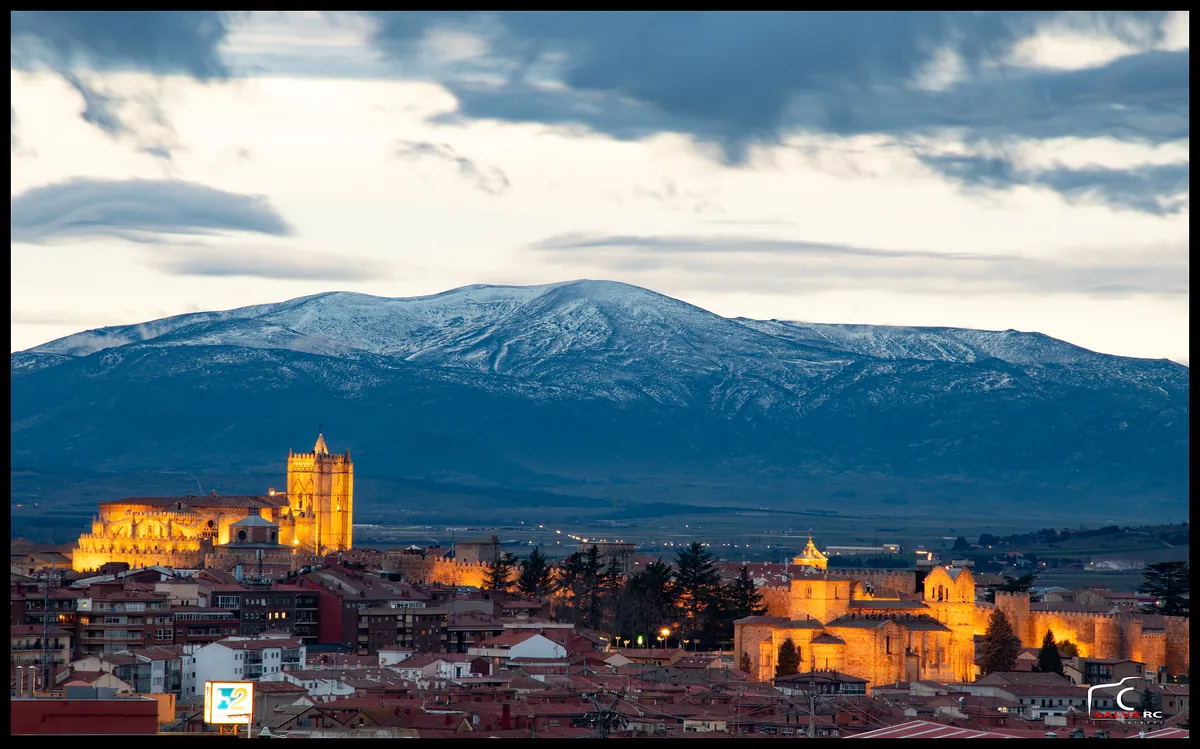
The thermometer reads eight degrees cooler than Burgos city, thirty-five kilometres away. At 1,000 metres above sea level, Cabezón de la Sierra sits where the Meseta's wheat fields surrender to the Sierra de la Demanda's first oak forests. The air thins noticeably. Stone houses huddle against ridge-line winds, their wooden balconies painted the deep green typical of Burgos province. This isn't a village that time forgot—it's one that altitude preserved.
The Vertical Village
Every street tilts. Calle Mayor climbs at a gradient that would make a Sheffield tramline blush, connecting the lower wheat stores to the church plaza that forms the village's natural summit. The altitude isn't merely decorative. Winter brings snow that can cut road access for days; summer nights drop to 12°C even in August, when Madrid swelters twenty degrees warmer. Locals speak of la nevada del 82 the way coastal Britons recall the '87 hurricane—an event that defined a generation.
The architecture responds to these extremes. Walls measure nearly a metre thick, built from local limestone that absorbs daytime heat and releases it after dusk. Windows face south when possible; north-facing walls remain blank against the cierzo wind that barrels down from the Cantabrian Mountains. Even the church tower tilts slightly, not from structural failure but from centuries of prevailing winds pressing against its stones.
Walking here requires recalibration. What appears a gentle ten-minute stroll on Google Maps becomes a thigh-burning climb along cobbled lanes designed for donkeys, not Derbyshire calves. The village's 120 inhabitants—down from 800 in the 1950s—navigate these slopes well into their eighties, a testament to altitude training before it became fashionable.
Between Field and Forest
The transition zone surrounding Cabezón de la Sierra offers perhaps Spain's most abrupt ecological shift. Leave the village heading north and within twenty minutes you're among Pyrenean oaks and wild boar tracks. Head south and the landscape opens into the characteristic paramo—high plateau where only wheat, barley and the occasional stubborn almond tree survive.
This ecological edge creates unusual hiking territory. The GR-86 long-distance path passes within two kilometres, but local shepherd tracks prove more interesting. One route follows an ancient cañada real—a livestock migration route older than the Reconquista—descending 400 metres to the River Arlanza. The three-hour circuit requires proper boots; the limestone scree eats trainers for breakfast. Spring brings wild asparagus along the path edges; autumn delivers boletus mushrooms that locals guard with the territorial intensity of Yorkshire allotment holders.
Birdlife shifts with the altitude. Booted eagles circle overhead; nightjars call from the oak scrub at dusk. The village's position on the migration corridor means April and October bring constant movement—storks heading north, cranes heading south, all using the thermals created by the sudden elevation change.
What Altitude Tastes Like
High-altitude cooking requires adjustments. Water boils at 90°C here, meaning beans need soaking overnight and stews simmer for hours. The local olla podrida—a chickpea and pork stew—develops its depth from this necessity rather than choice. Lamb comes from animals that grazed above 1,200 metres; the altitude creates meat with less fat and a slight herbal note from the mountain thyme they browse.
The village's single bar, Casa Julián, opens only at weekends outside summer. Thursday's menú del día costs €12 and features whatever Julián's wife Patricia found at the morning market in Salas de los Infantes. Might be pochas (fresh white beans) with chorizo, might be bacalao al pil-pil—planning ahead defeats the purpose. They close when the food runs out, usually around 3:30 pm.
For self-catering, the nearest supermarket sits twelve kilometres away in Salas. Bread arrives daily at 11 am via a van that toots its horn in the plaza; missing it means driving for carbohydrates. The altitude extends shelf-life naturally—vegetables that wilt in 24 hours on the coast last three days here without refrigeration.
When the Heights Close In
Weather defines everything. October through May, carry chains even if the sky looks clear. The BU-905 access road climbs 300 metres in eight kilometres; ice forms suddenly in the shadows where sun never reaches. In 2021, the village remained isolated for four days after an unseasonal May snowfall brought down power lines. The municipal website posts road conditions, updated when the mayor's son remembers—don't rely on it.
Summer brings different challenges. The altitude intensifies UV; at 1,000 metres you burn 25% faster than at sea level. The village fountain, fed by mountain springs, runs dry most Augusts as snowmelt diminishes. Showers become brief, tactical affairs. Evenings require jumpers; locals find British shorts-in-October behaviour either admirable or insane, depending on age.
Mobile reception varies with cloud cover. Vodafone works near the church plaza; Orange requires walking to the cemetery on the ridge. This isn't a bug—it's how the village maintains its particular rhythm. WhatsApp groups organise shopping runs, medical appointments, even funeral arrangements. When reception dies, conversation revives.
The Practical Altitude
Getting here means accepting detours. The nearest railway station, Burgos-Rosa de Lima, sits 45 minutes away by car. Car hire is essential; buses run twice daily from Burgos but terminate in Salas, leaving the final twelve kilometres to negotiate. Salamanca airport lies two hours west; Bilbao two hours north-east. Both involve mountain driving that makes the M62's Snake Pass resemble a supermarket car park.
Accommodation options remain limited. Two village houses offer rental rooms—Casa del Cura sleeps four, has underfloor heating and costs €80 per night minimum two nights. Alternatively, the municipal albergue provides basic beds for €15, opens only when pre-booked through the town hall. Bring sleeping bags; altitude makes nights cold even in July.
The best approach treats Cabezón de la Sierra as what it is—a working village at Spain's roof, where altitude shapes everything from cooking times to conversation pace. Come for the walking, stay for the way mountain life slows perception itself. Just remember: up here, every climb reveals how much further the land can rise, and how small that makes everything feel.