Full Article
about Carcedo De Bureba
Ocultar artículo Leer artículo completo
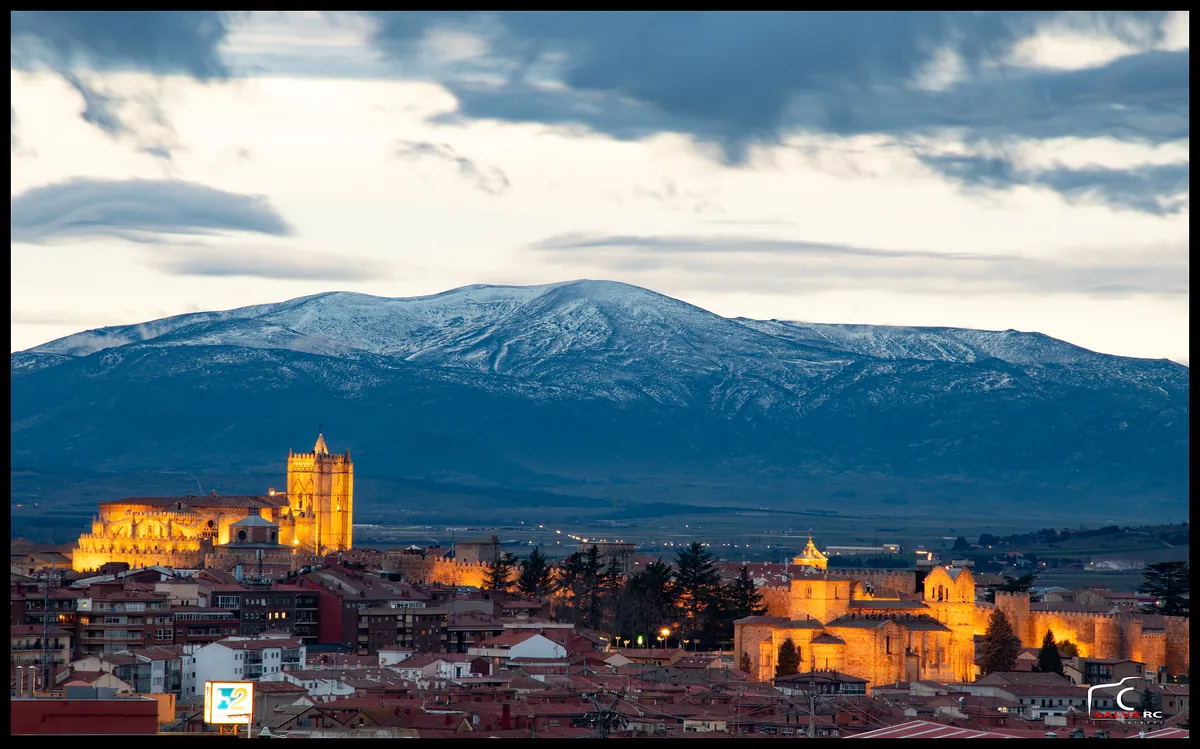
The church tower at Carcedo de Bureba rises just high enough to break the horizon line. From the wheat fields that roll south towards the Montes de Oca, it appears as a stone exclamation mark above the plain—visible for miles across this high plateau that sits 900 metres above sea level. At dawn, when the September mist pools in the low folds of La Bureba, the village floats like an island above a silver sea.
This is farming country proper. Not the romanticised Spain of olive groves and white villages, but the serious business of cereal production that has fed Castile since the Romans first ploughed these limestone soils. The landscape operates on a different scale here: fields stretch to the curve of the earth, farm tracks run ruler-straight between stone walls, and the sky dominates everything. Visitors arriving from the green north or the coastal plains often underestimate both the altitude and the exposure. Even in May, the wind carries enough bite to make you reach for a jacket.
The Village That Time Forgot to Commercialise
Carcedo's single main street takes eight minutes to walk from end to end. Stone houses with wooden balconies line the narrow pavement, their ground floors still occupied by agricultural suppliers rather than gift shops. The bakery opens at 7 am and sells out of empanadas by 9.30. There's no ATM, no boutique hotel occupying a converted palace, no interpretive centre explaining the village's "authentic heritage"—because nobody here has thought to invent one.
The parish church of San Juan Bautista anchors the western end of town. Built in the 16th century from local limestone, its fortress-like tower doubled as a lookout during the periodic skirmishes between Castile and the neighbouring kingdoms. Inside, the altarpiece shows the typical Burebano style: carved but not elaborate, devotional rather than decorative. The church remains unlocked during daylight hours, though visitors should note that Sunday mass at 11 am still draws a congregation that fills the nave entirely.
Around the church plaza, three bars serve coffee and cortados to the farmers who gather after the morning livestock auction in nearby Briviesca. They speak Castilian with a distinctive accent that clips final syllables, and they'll explain—if asked—that Carcedo's population has held steady at about seventy souls for the past decade. Young people leave for university in Burgos or Bilbao. Some return to take over family plots. Most don't.
Walking the High Plain
The real attraction here lies outside the village proper. A network of agricultural tracks radiates across the plateau, following routes that predate the Reconquista. These caminos provide excellent walking without the crowds that plague the Camino de Santiago, which passes 30 kilometres to the north. The going is easy—this is table-top flat country—but the altitude means UV exposure is high. Sun protection isn't optional; it's essential.
One particularly rewarding circuit heads south from the village for five kilometres to the abandoned ermita of San Pelayo. The tiny chapel stands alone in a wheat field, its Romanesque portal still intact despite five centuries of weather. The return loop passes through the hamlet of Quintanaloma, where a stone trough provides water for both livestock and weary walkers. Allow three hours for the full circuit, including the inevitable stop to watch harvesting machinery that looks like something from a science fiction film.
Spring brings a brief but spectacular display of wild tulips and purple viper's bugloss between the cereal rows. Autumn turns the stubble fields to gold and brings migrating cranes overhead, their guttural calls audible long before the V-shaped formations appear. Winter walking has its own rewards—crystal visibility that reveals the Cantabrian mountains 80 kilometres distant—but requires proper gear. Temperatures drop below freezing on more than sixty nights each year, and when the wind drives across from the Sierra de la Demanda, it carries Arctic intensity.
What to Eat When There's Nobody Selling It
Carcedo presents a challenge for the hungry traveller: no restaurants, no advertised menu del día, no tapas trail. The bars will assemble a bocadillo of local chorizo if asked nicely, but proper meals require advance planning. The solution lies in Briviesca, ten minutes away by car, where Asador La Cadiera serves lechazo (roast suckling lamb) that rivals anything in Segovia. Book ahead for weekends—this is where Burgos families drive for Sunday lunch.
For self-caterers, the Saturday market in Briviesca supplies excellent local produce: white beans from Ibeas de Juarros, morcilla de Burgos that contains enough rice to make it a meal, and honey from village beekeepers who maintain hives among the sunflower crops. The bakery in Carcedo itself produces bread in the traditional horno style—dense crust, open crumb—using wheat milled in Miranda de Ebro. Buy early; they bake once daily and when it's gone, it's gone.
The Practicalities of Visiting Nowhere in Particular
Reaching Carcedo requires wheels. ALSA buses connect Burgos with Briviesca every two hours, but the onward journey needs either a taxi (€25) or pre-arranged collection. Hire cars provide more flexibility; the drive from Bilbao airport takes 75 minutes via the A-68 and passes through some of Spain's least populated terrain. Petrol stations are scarce—fill up in Briviesca before heading into the empty country.
Accommodation options within the village itself amount to one: Casa Rural El Pajar, a converted grain store with two bedrooms and a kitchen that looks across wheat fields to the Montes de Oca. The owners live in Burgos and meet guests by arrangement. At €80 per night for the entire property, it represents exceptional value, but brings no hotel services. The nearest alternative lies eight kilometres away in Sotopalacios, where the palatial Hotel Spa Ciudad de Soto provides swimming pool and restaurant facilities for those who prefer conventional comforts.
Weather catches visitors out repeatedly. The altitude means nights stay cool even when daytime temperatures reach 30°C in midsummer. Rain arrives suddenly from the Atlantic, turning dirt tracks to mud that clings like concrete. Always pack layers and waterproofs, regardless of the forecast in Burgos or Bilbao. The village sits in its own microclimate where conditions can change within an hour.
Why Bother?
Carcedo de Bureba offers no Instagram moments, no bucket-list experiences, no stories that will impress colleagues back in Manchester. What it provides instead is increasingly rare: a working Spanish village that functions exactly as it did forty years ago, where the rhythm of life follows crops rather than tourists, and where the landscape operates on a scale that makes human concerns feel appropriately small.
Stand beside the church tower at sunset when the harvest dust hangs in golden shafts of light. Listen to the combine harvesters working distant fields, their diesel engines droning like mechanical bees. Watch the sky turn from brass to copper to purple while the temperature drops ten degrees in as many minutes. Then drive back to your casa rural, cook something simple with local ingredients, and understand that this—not the Costa, not the cities, not the famous cathedrals—is what most of Spain actually looks like.
Just don't expect anyone to sell you a fridge magnet to prove you were here.