Full Article
about Cardeñosa
Close to the capital; known for the Castro de las Cogotas and its granite quarries.
Hide article Read full article
First light in a small Castilian village
Early in the day, when the sun still cuts across the square at an angle, the stone of the church of the Asunción holds on to the night’s cold. The granite has that grey-brown tone so typical of La Moraña, rough to the touch, and for a few minutes the whole village seems to move at its own measured pace. A shutter lifts, a door opens, footsteps echo briefly along the street.
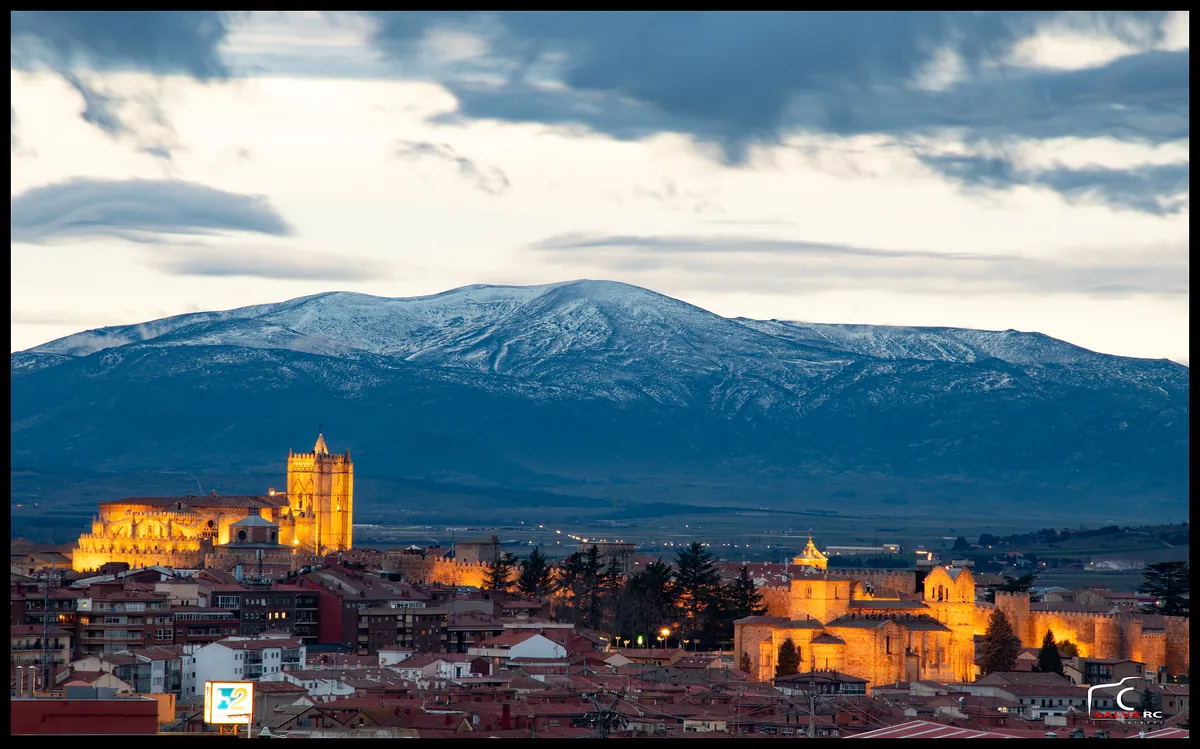
Tourism in Cardeñosa does not revolve around major landmarks or streets designed for ticking off sights. The place makes more sense when you watch how an ordinary morning unfolds. It sits in the province of Ávila, a little over 1,000 metres above sea level, surrounded by open fields where cereal crops shape the landscape for much of the year. On clear days, looking south, the outline of the Sierra de Gredos appears along the horizon.
With just over four hundred residents, Cardeñosa has a straightforward layout. Streets are short, houses are built from granite and adobe, with wooden gates and dark metal grilles on the windows. Distances within the village are small, and it takes only a few minutes to walk from one end to the other. Even so, it is worth slowing down. In some corners there are still old animal pens, small kitchen gardens beside the houses, and yards where firewood is stacked for winter.
The church and the village centre
The parish church of the Asunción is the most recognisable point in Cardeñosa. Its current structure is usually dated to around the 16th century, although later additions have altered it over time. The tower, topped with reddish tiles, acts as a reference point when the narrower streets start to twist and turn.
Nearby, the square is small and fairly open. By mid-morning there is usually a bit of everyday movement: people running errands, short conversations before heading off again. It is not a place designed for lingering for hours, but it does offer a clear view of the steady rhythm that still defines many villages in this part of the province.
In winter, warm clothing is essential even when the sun is out. The air tends to be dry and cold, and the stone buildings take their time to warm up.
Open fields beyond the houses
Step outside the built-up area and the landscape shifts quickly. Cultivated land begins almost at once, very open, with long lines of cereal crops. In spring these fields turn a vivid green, while in summer they move into golden tones. When the wind picks up, everything moves together in a slow wave that travels across the plain.
Between the plots there are stone enclosures and small livestock holdings. It is common to see cows grazing in nearby meadows or moving unhurriedly along agricultural tracks. There are also family gardens where potatoes, onions or peppers are grown, usually for personal use rather than sale.
By mid-afternoon, the light falls low across these fields. Colours become warmer and the sense of depth increases, giving the landscape a different character from the sharper light of midday.
Walking routes without going far
Several rural tracks leave from Cardeñosa, used mainly by farmers and livestock keepers. Many can be followed on foot without difficulty. They are dirt tracks, generally flat, with long straight stretches running between cultivated plots.
Not all of them are marked as official walking routes. The most practical approach is to follow the main paths leading out of the village and return along the same line or by a parallel track. Carrying water is important in summer, as there are long sections without shade.
In winter, and after periods of rain, some of these paths become soft due to the passage of agricultural machinery. Conditions can change quickly depending on the weather.
Dehesa landscapes and nearby woodland
A little further from the village centre, areas of dehesa appear, with scattered oaks and holm oaks. The ground is covered with dry leaves in autumn, and walking through them produces a constant crunch underfoot.
In these zones, signs of wildlife are not unusual. Tracks on the ground or disturbed soil can often be seen, although the animals themselves tend to stay out of sight. Dry stone walls mark old property boundaries and sometimes run alongside the paths for long stretches.
When autumn arrives, some local people head into these areas to look for wild mushrooms. It is a common activity in the province, though it requires a good knowledge of the different species.
Food and practical planning
Cooking in this part of Ávila is based on straightforward ingredients: pulses, beef or pork, potatoes and seasonal vegetables. The dishes are filling, shaped by long working days and a cold climate.
Outside the summer months or weekends, there may be limited services open in the village. If planning to spend the day, it is sensible to bring some food or check in advance what options are available nearby.
A place understood at its own pace
Cardeñosa does not present a clear sightseeing route or a long list of attractions to work through. What it offers is an open agricultural landscape, an old church that anchors the centre of the village, and a network of paths leading out into the surrounding fields.
Sometimes it is enough to walk a short distance beyond the last houses and look back. The shape of the village, the tower of the Asunción, and the wide plain around it come into view together, without needing explanation or embellishment.