Full Article
about Castrillo De La Reina
Ocultar artículo Leer artículo completo
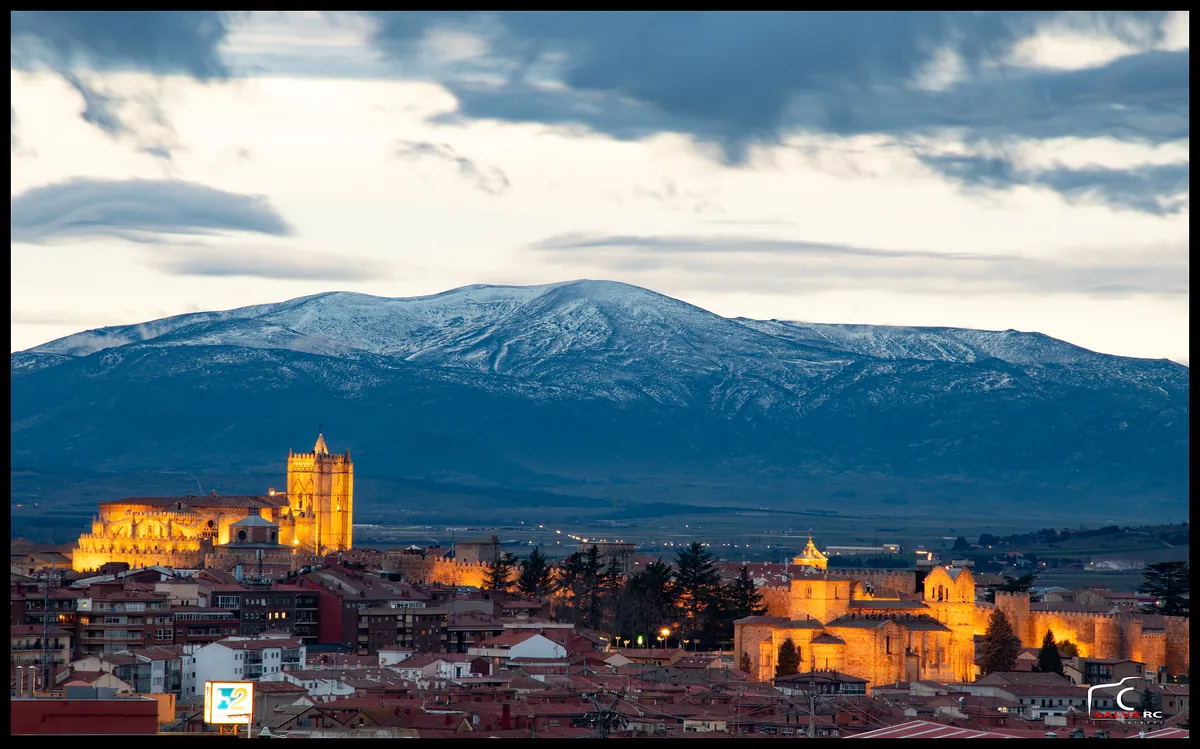
The petrol gauge flirts with empty as the CL-117 corkscrews upwards through pine plantations. At 1,050 metres, mobile signal drops out completely—no Spotify, no Google Maps, no last-minute Airbnb messages. This is the moment most drivers realise they’ve left the Burgos suburbs too late and the next fuel stop is still 50 kilometres away. Keep climbing. Castrillo de la Reina appears only when the road decides you’ve earned it: a slate-roofed hamlet clinging to a bend above the Arlanza, population 250 on a busy fiesta weekend.
Stone, Silence and Seasonal Rhythms
Houses here are built for winter. Walls are a metre thick, windows pint-sized, chimneys working overtime from October to May. Summer mornings can hit 32 °C, but by ten o’clock the sun has slipped behind the western ridge and temperatures fall off a cliff. Bring a fleece even in July; night skies are dark enough to read star maps without a torch, and the Milky Way feels close enough to snag a sleeve on.
The village clock is the tower of San Esteban Protomártir, a Romanesque core patched up over eight centuries. Its bells ring the hour, the half, and—on feast days—every fifteen minutes. Locals swear they don’t hear them any more; visitors reset their watches without thinking. Step inside and the air smells of wax and cold stone; the altar cloth is changed with the liturgical calendar, burgundy for Pentecost, green for ordinary time. No audio guides, no ticket desk, just a printed card asking for one-euro donations towards roof slates.
Outside, the single main street narrows to the width of a tractor. Stone houses wear wooden balconies called solanas—sun traps where grandmothers once spun wool and today teenagers scroll TikTok on the one bar’s Wi-Fi. Look up and you’ll spot weather-worn coats of arms: a lion here, a fleur-de-lis there, reminders that merchants and minor nobility once traded wool and wheat along this same route. Property prices have edged up since Burgos commuters discovered the place, but a three-bedroom townhouse still changes hands for less than a London parking space.
Walking Tracks that Start at Your Doorstep
Hiking maps are sold only at the bakery (open 08:00–11:00, cash only). The easiest route follows the Arlanza downstream for 45 minutes to a riverside meadow where locals grill sausages on Sunday. Markers are painted white-and-yellow; trainers suffice. Want height? Take the forest road behind the cemetery. In four kilometres you reach the Cueva de San Bernabé, a shallow hermitage cave where shepherds once wintered. The climb gains 400 metres; knees will feel it tomorrow. October brings mushroom pickers armed with regulation knives and wicker baskets—boletus edulis fetches €40 a kilo in Burgos markets, so strangers poking about in the pines are viewed with polite suspicion. Ask permission, or better, hire Josetxo the postman (€30 half-day) who knows every cairn and will happily lecture on spore prints.
Winter transforms the sierra. Snow can fall from November to March; the CL-117 is gritted, but side roads turn to toboggan runs. Bring chains or park at the top of the village and walk down. Cross-country skiers head for the Puerto de la Serranía, 20 minutes away by car, where a €12 day pass gives access to 18 kilometres of groomed tracks. Even if the valley below is shirtsleeve weather, the pass can be –5 °C with a biting wind—pack gloves.
One Bar, One Oven, No Supermarket
Shopping requires planning. The tiny ultramarinos stocks UHT milk, tinned tuna and not much else; bread emerges from the wood-fired oven at 09:30 and is usually sold out by 11:00. Aranda de Duero, 35 minutes south, has a Carrefour—buy wine, salad and breakfast yoghurt before you wind back uphill. The village’s single bar, Casa Félix, opens at 07:00 for farmers’ café con cognac and stays lively until the last dice players leave at midnight. A glass of house Rioja costs €1.80; the menu scribbled on a blackboard offers caldereta (lamb stew, €9), morcilla de Burgos (blood sausage with rice, €6) and queso de Burgos on toast (€3.50) that tastes like a tangier ricotta. Vegetarians survive on tortilla and roasted peppers; vegans should self-cater.
August theatre week changes the rhythm. For six days the population quadruples, the plaza fills with plastic chairs, and performances start at 22:30 when the heat finally loosens its grip. Reserve accommodation early—there are only 12 rooms in the entire village. Expect guitars warming up at midnight, spontaneous jotas in the street, and the bakery running out of croissants by 08:00. It’s fun, but if you came for silence, come in June or late September instead.
Getting There Without the Drama
Brittany Ferries’ Portsmouth–Santander crossing docks at 08:00 Spanish time; from the port, it’s 170 kilometres of empty motorway and mountain road. Fill the tank in Santander—services on the A-67 are sparse—and aim for the CL-117 junction at Quintanar de la Sierra. The final 19 kilometres take 25 minutes; sat-navs underestimate the bends. If you’re flying, Ryanair’s Stansted–Santander service runs four times a week in summer; hire cars must be booked months ahead. There is no railway and no daily bus; a taxi from Burgos costs €70 and the driver will grumble about the return journey being empty.
Leave the car in the small gravel car park at the top of the village—streets are too narrow for three-point turns. Check the weather forecast before you set off; cloud can drop so low that headlights are useless at midday. In heavy snow, the Guardia Civil close the CL-117 without warning and you’ll face a 90-kilometre detour through the valley.
Why Bother?
Because clocks still run on church bells, because the Milky Way isn’t a screensaver, and because the bakery’s napolitanas (pain-au-chocolate knock-offs) taste better when you’ve climbed 400 metres to earn them. Castrillo de la Reina offers no souvenir shops, no flamenco nights, no air-con. What it does offer is altitude, silence and a reminder that Spain can still be empty once you rise above the wheat plains. Pack layers, download offline maps, and fill up before the mountain—then let the bells set your pace.