Full Article
about Coruna Del Conde
Ocultar artículo Leer artículo completo
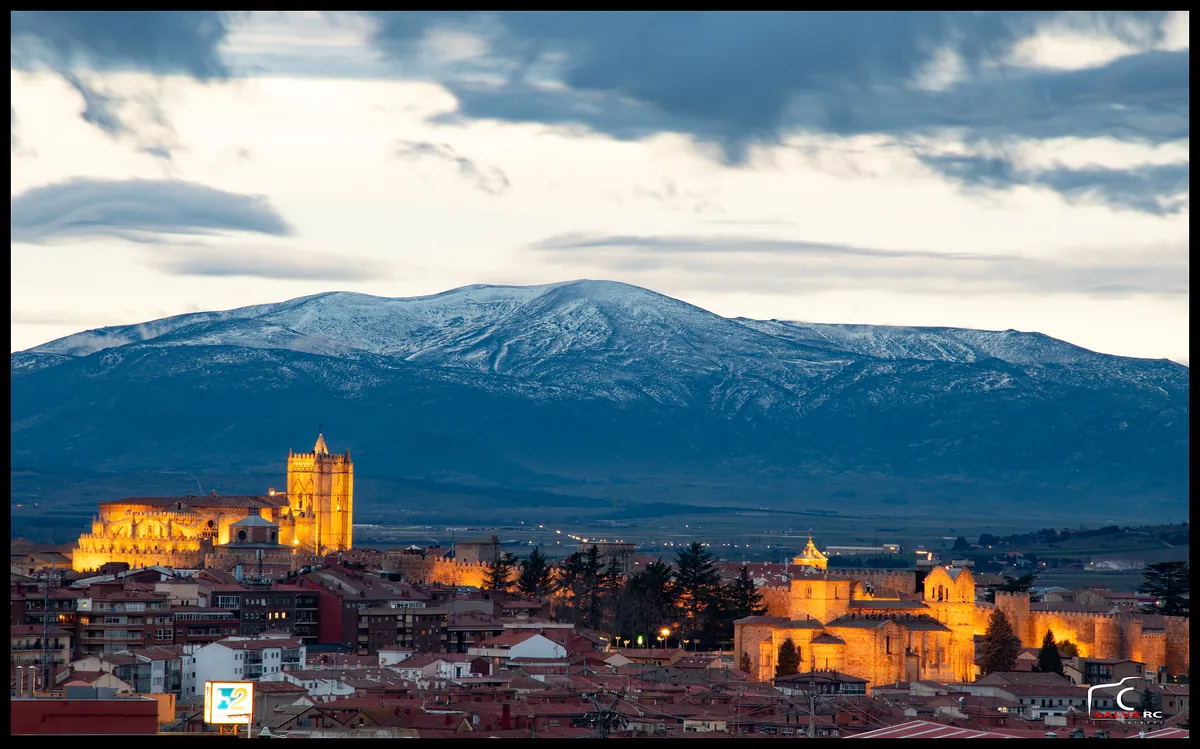
The thermometer drops three degrees as you climb the last bend from the Arlanza valley. At 966 metres, Coruña del Conde sits high enough for the air to taste different—thinner, sharper, scented with dry straw and distant pine. Stone houses huddle round a sixteenth-century tower whose bells still mark the hours for 140 souls, fewer in winter when the wind rattles across the meseta and the fields glaze with frost.
Most motorists shoot past on the BU-905, keen to tick off Covarrubias or Santo Domingo de Silos. Those who brake for the signposted mirador discover a village that functions more as a balcony than a destination: a place to lean on a warm stone wall, count red-tiled roofs and realise how much of Castilla is simply sky.
A Lordly Pocket Handkerchief
Coruña del Conde never bothered with walls; the river Arandilla and sheer open space were defence enough. What remains is a neat grid of three short streets named after the trades that died out—Calle Herreros, Calle Zapateros—anchored by the Gothic parish of San Martín Obispo. The church door is usually locked; ask in the pharmacy opposite and someone’s aunt will fetch a key the size of a courgette. Inside, a Flemish-panelled altarpiece glints with painted gold while swallows swoop through the clerestory, ignoring the no-flash-photography sign.
Opposite the portico stands a rolled stone column, the village’s medieval pillory. Miscreants were once tied here while the lord of Covarrubias decided their fine; today it doubles as a coat rack for cyclists refuelling on the café’s tortilla. Look up and you’ll spot eight heraldic shields carved into the limestone. The inscriptions are illegible, but the message is clear: this was never a peasant hamlet; it was a administrative postage stamp on the frontier between Christian north and Moorish south.
Wheat, Wind and Winter Silence
Outside July and August the plaza belongs to tractors. Farmers gather at 08:00 for brandy-and-coffee before driving their combines into seas of cereal that shimmer bronze by late June. The harvest ritual explains the village calendar: fiestas in early September to give thanks, then shutters pulled tight until the snow decides whether to bother. Come January the temperature can plunge to –12 °C; roads ice over and the solitary bus from Burgos is cancelled “hasta que Dios quiera.” Spring arrives suddenly—one week brown, the next emerald—and by May larks reel above fields dotted with blood-red poppies.
The altitude makes weather theatrical. Mornings can be 8 °C in June; by 15:00 you’re stripping to shirtsleeves as thermals rise off the plateau. Carry layers if you plan to walk the 7 km riverside loop to Huerta de Abajo: the path drops 250 m into a micro-climate where nightingales sing and mosquitoes ignore DEET.
How to Eat Without a Menu in English
There is only one public kitchen, the Posada Ducal on Plaza Mayor 3. Wednesday is closed; every other day it offers a three-course menú del día for €14 that begins with garlic soup and ends with leche frita, cubes of custard fried in cinnamon batter. Vegetarians receive a resigned omelette; vegans should bring supplies. The house wine is a young Ribera del Duero that tastes like blackberries left in a pencil sharpener—order “un tinto suave” if you prefer it tempered.
Breakfast is DIY. The tiny ultramarinos opens 09:30-11:00 and stocks UHT milk, tinned sardines and surprisingly good local cheese wrapped in waxed paper. Ask for “queso de oveja curado” and you’ll get a nutty wedge that survives a rucksack. The nearest supermarket is 18 km away in Lerma—stock up before you arrive.
A Walk That Ends Where the Eagles Are
Serious hiking starts five minutes from the church door. A gravel track climbs past allotments, then turns into a sendero local that follows the watershed south. After 45 minutes the wheat gives way to juniper and you’re level with buzzards. Keep ascending another 200 m and the horizon fractures into the jagged silhouette of the Sierra de la Demanda; on clear days you can pick out the ski station of San Inés, 60 km distant. The round trip takes three hours, requires no technical skill and delivers absolute silence broken only by wind turbines sighing on the opposite ridge.
Mountain-bikers use the same route; hire bikes in Salas de los Infantes, 12 km east, where the tourist office lends GPS tracks. Winter riders should note north-facing slopes hold snow until March—pack tyre levers and a thermos.
When to Turn Up and When to Vanish
Coruña del Conde obeys an older clock. Lunch finishes at 15:30; by 16:00 even the dogs are asleep. Plan arrival for 11:00 or 18:00 and you’ll find humans. The annual highlight is the Fiesta de San Martín (11 November), when half the province squeezes into the plaza for chacina tasting—air-cured pork neck sliced so thin you can read the sky through it. Accommodation sells out months ahead; if you haven’t booked, day-trip from Burgos (45 min drive).
Summer fiestas shift to the nearest weekend; expect street orchestras that sound like a Milanese brass band after too much orujo. Otherwise August nights are star-struck and silent: the Milky Way drips directly overhead, unpolluted by streetlights because there aren’t any.
Getting Stuck, Getting Out
No railway comes within 35 km. From the UK fly to Bilbao, collect a hire car and take the A-68 south; after Burgos peel off onto the BU-905 and you’re here before the CD changer warms up. Petrol is cheaper at the motorway services than in Aranda de Duero, so fill up while you still have Costa coffee in your veins. Public transport exists—a once-daily bus from Burgos at 17:45, returning 06:40—but miss it and you’re marooned.
Mobile coverage is patchy. EE users get one bar on the plaza; Vodafone subscribers should climb the church tower and face north-east. Wi-Fi is rumoured at the posada but behaves like a shy ghost.
The Honest Verdict
Coruña del Conde will never headline a Spanish itinerary. It offers no castle to storm, no Michelin stars, no souvenir tea towels. What it does provide is a calibrated sense of scale: human settlement measured against cereal ocean and cobalt sky. Stay for an afternoon and you’ll leave relaxed; stay for a clear night and you’ll understand why Castilians speak slowly—words evaporate upwards unless weighed with meaning. Come expecting fireworks and you’ll be disappointed; come prepared to adjust your horizons and the village repays you with a precise, unrepeatable quiet.