Full Article
about Encio
Ocultar artículo Leer artículo completo
The church bell strikes noon and nobody stirs. A tractor idles in the lane, its driver chatting to an elderly woman who has appeared from a doorway painted the colour of dried blood. Above them, storks wheel between the stone houses, their nests balanced precariously on chimney stacks. This is Encío at midday, a village so small that the census takers once forgot to include it entirely.
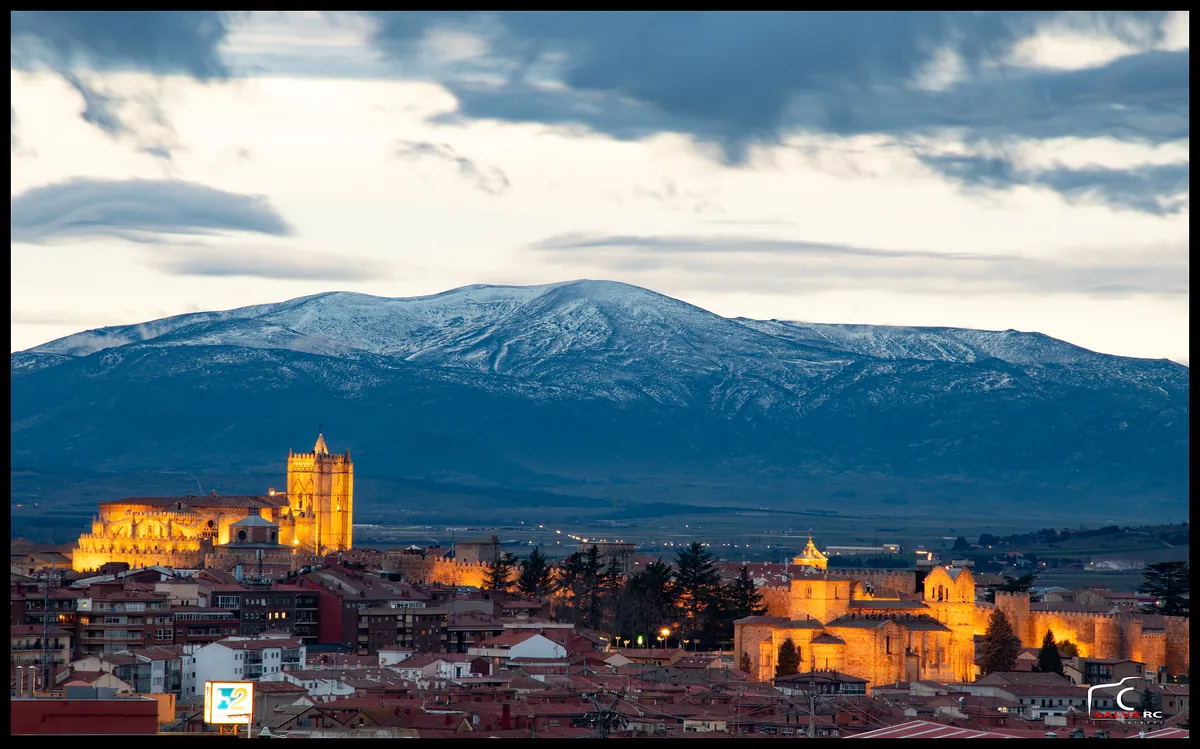
Encío sits 850 metres up in the Merindades, a scatter of municipalities that stretches across northern Burgos province. From the village edge you can see the Cordillera Cantábrica rising like a wall, but here the land rolls rather than plunges. Oak and beech woods climb the higher slopes; lower down, the earth has been parcelled into tiny meadows where local farmers still scythe hay by hand. The altitude means mornings stay cool even in July, and frost can arrive as early as mid-September. Bring a jumper, whatever the calendar says.
Stone, Wood and Weather
The houses follow the logic of medieval stock-keeping rather than modern aesthetics. Ground floors once sheltered animals; families lived above, reached by external stairs that could be pulled up if wolves came too close. You will still see the slots where beams sat, and the iron rings used to tether mules. Many properties stand empty now—doors nailed shut, balconies sagging—though a handful have been bought by weekenders from Bilbao who restore the stonework but rarely stay longer than a long weekend.
The parish church of San Martín is no cathedral, yet it tells Encío's story more honestly than any guidebook. The base is twelfth-century Romanesque, low and heavy, built from the same limestone that lies under every field. Above it, a sixteenth-century tower sprouts like an afterthought, its bricks shipped in when the village briefly grew rich on wool. Inside, the air smells of wax and damp plaster. A side chapel contains three wooden chairs painted naïvely with farm instruments; local children leave offerings of chestnuts each autumn to ensure good harvests. Mass is held only twice monthly, but the priest leaves the door unlocked so shepherds can shelter from sudden storms.
Walk twenty minutes west along the sheep track that doubles as the CL-623 service road and you reach the abandoned threshing floors. Circular platforms of flat stone, they look like miniature bullrings. Farmers used to spread wheat here so horses could drag stone rollers over the grain. The last harvest was 1987; now brambles push through the cracks and lizards sun themselves on the warm slate. Stand here at dusk and you understand why Castilians speak of the querencia—the place where an animal, or a person, feels instinctively at home.
Walking Without Waymarks
Encío does not do signposts. Instead, directions are given by reference to trees, bends in the river or the colour of someone's front door. That suits the three waymarked circuits that start from the fountain in Plaza Vieja. The shortest (4 km) loops through dehesa woodland where black Iberian pigs snuffle for acorns; the longest (11 km) climbs to the ruined monastery of San Salvador, whose cloister offers views across four valleys. None is technically difficult, but the limestone can be slick after rain and phone coverage drops away within minutes. Print the free map from the regional tourism board before you leave Burgos—there is no tourist office here, and the village bar keeps erratic hours.
Spring brings wild crocus and the sound of cowbells drifting up from the valley. Autumn smells of smoke and wet leaves; morning mist pools so thickly that only the church tower protrudes like an island. Winter is stark but rarely extreme: snow settles for a day or two, just long enough to photograph terracotta roofs wearing white caps, then melts. Summer afternoons are hot and still; siesta is observed without apology, and the only place to buy a drink may stay shuttered until the cool of evening.
What Passes for a Menu
Do not arrive hungry. Encío itself has no restaurant, and the solitary shop stocks little beyond tinned tuna, UHT milk and the local morcilla—blood sausage so delicate it collapses in the pan. The weekly bread van visits Tuesday and Friday; villagers listen for its horn the way Londoners listen for the Ocado van. Instead, plan lunch in nearby Frías (18 minutes by car), where the medieval bridge is worth the detour and Casa Manolo grills lamb chops over vine cuttings. Expect to pay €14 for a three-course menú del día, wine included, and be asked whether you want your coffee "con leche normal o sin lactosa" with the seriousness of a surgical consultation.
If you are self-catering, stop at the market in Villarcayo on the way up. Red beans from La Bureba, fresh queso fresco wrapped in banana leaves, and a bottle of cider from Nava will cost under a tenner. Back in Encío, sit on the bench outside the church and assemble a sandwich while the village cats circle like sharks. Someone will almost certainly offer you a handful of walnuts from their garden; accept, and you will be rewarded with nuts so fresh the shells stain your fingers yellow.
When the Village Wakes Up
The fiesta mayor falls on the last weekend of August, when the population swells from 42 permanent residents to roughly 400. Temporary bars appear in car ports; a sound system powered by a tractor battery plays pasodobles until three in the morning. Saturday brings a communal paella cooked in a pan the size of a satellite dish; Sunday features mass followed by a toro de fuego—a papier-mâché bull loaded with fireworks that careers through the lanes while children shriek. Visitors are welcomed with the easy generosity of people who know their party is not for sale. Bring earplugs, and a contribution of ice cubes or bin bags will earn quiet gratitude.
Outside fiesta time, life reverts to a rhythm dictated by daylight and livestock. The bar may open at noon, or it may not. The baker's arrival is announced by toots on a horn that last echoed in 1950s Bilbao. If you need petrol, the nearest pump is 25 kilometres away and closes at 20:00 sharp. These are not quirks; they are reminders that Encío was never designed for passing trade.
Getting There, Getting Away
From Burgos, take the N-623 north towards Santander. After 45 km, fork left onto the BU-532 signed Merindad de Valdeporres. Encío appears 12 km further on, just after a roadside shrine decorated with plastic flowers and the number plate of a lorry that failed to negotiate the bend. The road is paved but narrow; meeting a cattle lorry requires one driver to reverse uphill. Buses run twice weekly from Burgos—Tuesday and Thursday, departing 14:15, returning 06:30 next day—but seats must be booked by phone and the conductor speaks only Spanish. Hire cars start at €35 a day from Burgos rail station; make sure the tank is full, because the village has no fuel.
Leave time for one last walk at sunrise. Follow the track past the last house, where an elderly man in a beret may nod wordlessly, and climb the low ridge to the east. Below, Encío sits like a fist of stone in a green glove; beyond, the mountains gather along the horizon like spectators waiting for a play that will never begin. The silence is so complete you can hear your own pulse. Then a dog barks, a tractor coughs, and the day starts again—quietly, stubbornly, entirely on its own terms.