Full Article
about Gallega La
Ocultar artículo Leer artículo completo
The church bell strikes seven as a combine harvester rumbles through the main street, its blades brushing against stone houses older than the Reformation. This is morning traffic La Gallega style—one tractor, two dogs, and a baker carrying loaves still warm from a wood-fired oven that hasn't cooled since 1923.
The Geography of Silence
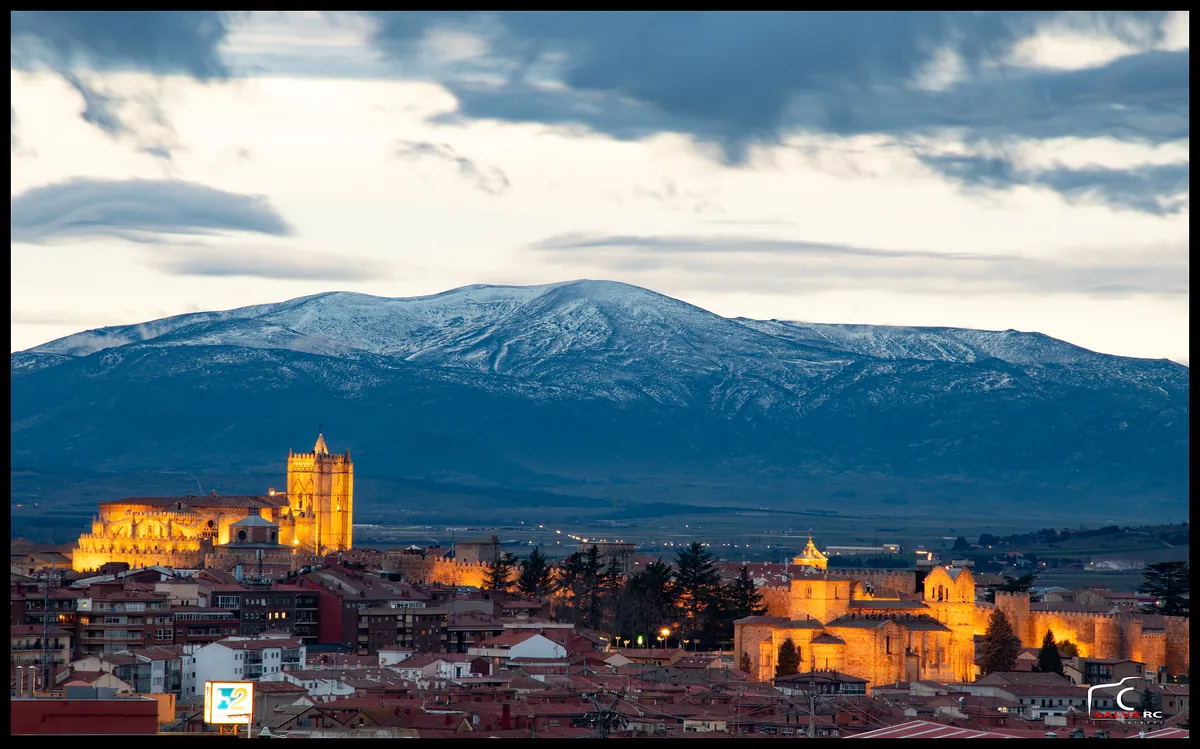
Fifty minutes south-west of Burgos city, the A-road narrows to a lane where GPS signals flicker and die. La Gallega sits at 865 metres, high enough for the air to carry a sharp edge even in June, yet low enough for the surrounding plains to stretch like a caramel-coloured sea. The village forms a rough triangle around its church tower—the highest point for kilometres, visible from any wheat field you might wander into.
The altitude matters more than you'd think. Summer temperatures peak at 32°C but plunge to 15°C after midnight, creating a diurnal swing that explains why Castilian wheat tastes of minerals rather than dust. Winter brings proper cold: minus eight isn't unusual, and when the northeasterly cierzo wind arrives, it can freeze your breath into ice crystals. Pack accordingly—this isn't Andalucía.
The landscape operates on agricultural time. From April to June, the wheat progresses through impossible greens, gradually bleaching to the colour of old parchment. July means harvest, when the air smells of grain dust and diesel. August sits empty, baking. September brings stubble burning, thin columns of smoke rising like prairie signals. Then nothing until the first autumn rains turn the fields to mud the colour of strong tea.
Stone, Adobe and Stories
The parish church of San Pedro stands fortress-solid against the horizon, its tower rebuilt in 1787 after lightning split the original medieval structure. Inside, the frescoes show the usual Catholic dramatis personae—saints with eyes rolled heavenward, cherubs that look distinctly fed up—but look closer at the side chapel. There you'll find a tiny painting of Saint Roch displaying his plague sore to a dog, commissioned during a 19th-century cholera outbreak that halved the village population.
Domestic architecture follows a pattern repeated across northern Castile: ground floor in limestone quarried from local outcrops, upper storey in adobe brick that once housed grain stores. Many houses retain their corrales—enclosed courtyards where families kept pigs, chickens, and occasionally a fighting bull during the 1950s when this was still acceptable dinner conversation. Today these spaces serve as garages for combine harvesters worth more than the houses they sit beside.
Walking the streets takes precisely forty-three minutes at strolling pace, including a stop to read the war memorial (two sons lost in Cuba, 1898) and another to admire the 1940s metalwork on the water pump. The village maintains its original medieval layout—narrow lanes designed for donkeys, not Renault Clios. Parking requires optimism and decent alloy insurance.
What Actually Grows Here
The menu hasn't changed much since Franco died. In the neighbouring village of Revilla Vallejera, three kilometres down the BU-404, Asador Casa Juan serves lechazo—milk-fed lamb roasted in a wood oven until the skin shatters like caramelised sugar. Expect to pay €22 for a half-lamb feeding two, accompanied by potatoes roasted in lamb fat and a bottle of Ribera del Duero that costs less than a London pint.
For breakfast, the bakery in Villahoz (ten minutes by car) opens at 6:30am and sells bollo de chicharrones—a sweet bread studded with crispy pork fat that sounds wrong but tastes like a Cornish pasty made by someone who'd heard about sugar. They'll be sold out by 9am, mostly to farmers who've already worked three hours.
Vegetarians face limited options. The local menú del día offers sopa de ajo—garlic soup with egg dropped in like Chinese wonton—or judiones giant white beans stewed with chorizo. Both contain meat stock; asking for vegetable stock produces the same look you'd get requesting a decaf in a Glasgow shipyard.
When the Fields Become Your Walking Trail
The GR-88 long-distance path passes two kilometres north of the village, but more interesting are the farm tracks that spiderweb across the wheat. These caminos follow medieval rights of way—public paths maintained by farmers who grumble but respect tradition. Walk them between May and early July when the wheat stands waist-high and creates golden corridors that whisper with every breeze.
Birdwatchers should bring binoculars. The plains support Spain's highest density of great bustards—those absurdly large birds that look like turkeys dressed as vicars. They're best spotted at dawn from the track leading to the abandoned railway station, where they perform mating displays that involve inflating white neck sacs while spinning in circles. The RSPB would spontaneously combust with envy.
Cycling works better than walking for covering ground. The local tourist office (open Tuesday and Thursday mornings, or whenever María feels like it) lends basic bikes for free with a €20 deposit. The plains appear flat but contain subtle ridges—old river terraces—that produce calf-burning gradients disguised as straight roads. Plan for 20km maximum unless you enjoy pushing your bicycle through wheat fields while vultures circle overhead.
The Calendar of Small Things
The fiesta mayor happens during the second weekend of August, when the population triples as descendants return from Madrid and Barcelona. The highlight isn't the bull-running (they use young bulls, more confused than dangerous) but the paella popular—a rice dish cooked in a pan three metres wide using rabbits shot by local teenagers. It tastes of smoke and bureaucracy, because the health inspector insists on stainless steel despite 200 years of cast-iron tradition.
September brings the romería to the hermitage of Nuestra Señora de Valdejimena, seven kilometres away. Pilgrims walk through wheat stubble at dawn carrying an image of the Virgin, then spend the day drinking limonada—a mixture of red wine, lemon Fanta, and brandy that tastes like teenage rebellion. The hermitage itself dates from 1247 but was rebuilt in 1963 after the roof collapsed during a particularly enthusiastic wedding.
Winter means matanza—the pig slaughter. Families still gather to transform a 150kg pig into every conceivable pork product across one freezing weekend. The smell of paprika and garlic hangs heavy as morcilla blood sausage is stuffed, chorizos are hung to cure, and someone inevitably tells the story about the year grandfather drank too much orujo and fell asleep in the curing shed. Tourists aren't invited, but you'll see the results hanging in garages throughout January.
Practicalities for the Curious
Public transport barely exists. One bus leaves Burgos at 2:30pm, arriving at 3:47pm after stopping at every farmhouse between here and the city. It returns at 6:15am next day, timing that favours insomniacs and agricultural suppliers. Car hire from Burgos airport costs €35 daily for a Fiat 500—sufficient for these roads, though you'll develop opinions about Spanish suspension.
Accommodation means staying in Burgos and driving out, or booking one of three village houses on Airbnb. Casa Rural El Trigo sleeps four and costs €80 nightly, minimum two nights. The owner, Pilar, brings fresh bread each morning and knows the farmer whose land hosts the bustard lek. She also knows which tracks become impassable after rain—information worth having unless you fancy explaining to a bemused guardia civil why your rental car is axle-deep in mud.
Bring cash. The nearest ATM stands outside the petrol station in Villahoz, often empty by Sunday evening when everyone returns from the city loaded with €50 notes. The village shop opens 9-11am and 5-7pm, selling tinned tuna, UHT milk, and those Spanish crisps that taste faintly of ham regardless of flavour advertised.
La Gallega won't change your life. It offers instead something increasingly rare: a place where human activity operates on a scale you can comprehend, where lunch takes three hours because nobody has anywhere more important to be, where the night sky still contains stars in quantities that seem frankly showing off. Come for the wheat fields, stay for the realisation that civilisation doesn't require 4G coverage—though you'll probably Instagram the sunset anyway, once you climb the church tower and discover the mobile signal improves with altitude.