Full Article
about Hacinas
Ocultar artículo Leer artículo completo
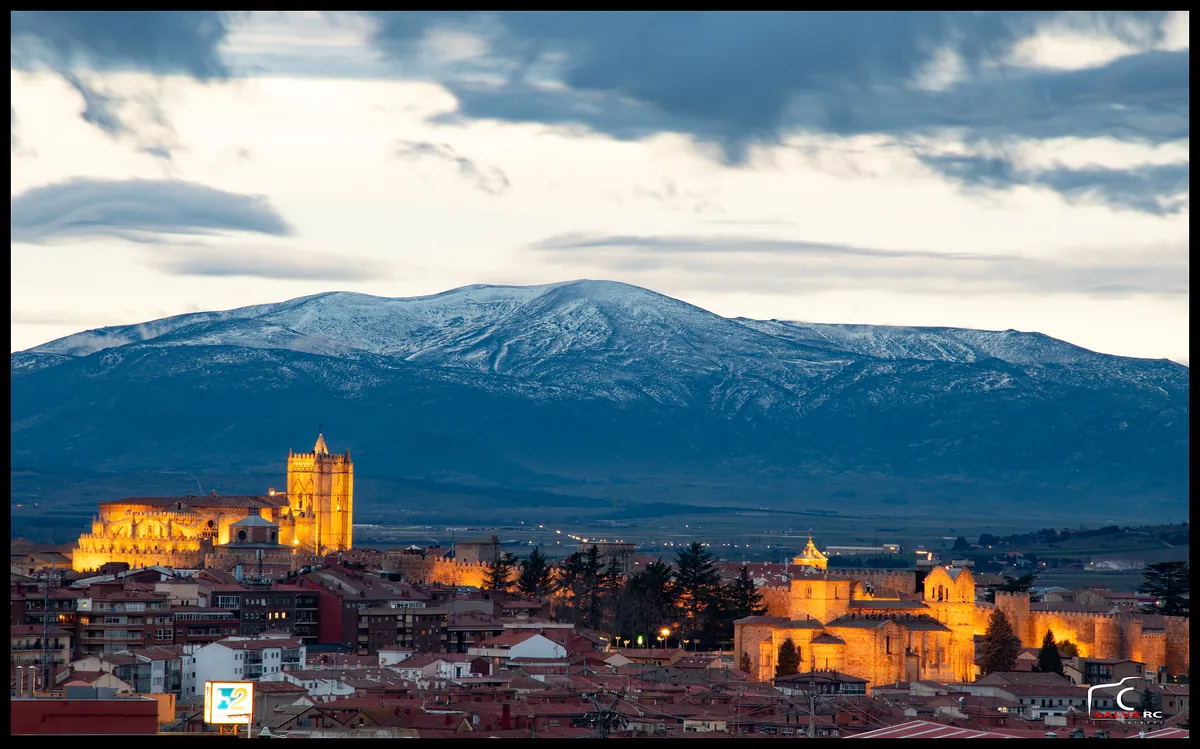
The church bell strikes noon, yet the village square remains in shadow. At 1,000 metres above sea level, Hacinas sits high enough that winter fog often lingers until lunchtime, even when Burgos city—just 45 minutes down the mountain—basks in sunshine. This isn't accidental topography; it's daily reality for the 200-odd residents who call this Sierra de la Demanda settlement home.
Stone Walls and Mountain Time
Hacinas doesn't announce itself. The road winds upwards through pine plantations, each bend revealing another stone house clinging to the slope. Some properties gleam with recent restoration; others slump under lichen-covered roofs, their wooden balconies sagging like tired shoulders. This mix isn't neglect—it's honesty. Unlike the manicured villages nearer the coast, nobody here has tidied up for the tourists because, frankly, there aren't many.
The architecture speaks a functional language. Thick stone walls keep interiors cool during July's 30-degree afternoons and retain heat when January temperatures drop to minus eight. Two-pitched roofs handle heavy snowfall; narrow streets channel rainwater downhill. Even the church of San Pedro, elevated slightly above the houses, follows this pragmatic script—its squat tower more watchtower than architectural flourish.
Walk upwards, past the last houses, and the village dissolves into proper mountain terrain. Scots pine gives way to oak and, in the deepest valleys, remnant beech woods that turn copper each October. The GR-88 long-distance path passes nearby, though you'd need local knowledge to spot the markers half-hidden behind summer growth.
What the Mountain Gives
October weekends transform Hacinas. Cars with Madrid and Bilbao number plates appear at dawn, their occupants clutching wicker baskets and walking sticks. These aren't ramblers—they're mushroom hunters, and the surrounding slopes deliver decent harvests of níscalos (saffron milk caps) and boletus when conditions align. The serious foragers arrive quietly, park discreetly, and disappear into the trees. They'll have checked recent rainfall data and overnight temperatures; they know that altitude affects fruiting patterns by several weeks compared to lower slopes.
If mushrooms aren't your thing, the village offers simpler pleasures. The bakery opens at seven—early enough that wood smoke still drifts from chimneys when you collect warm bread. There's no café culture here; morning coffee means standing at the bar in the single pub, listening to farmers discuss livestock prices over cortados. Prices reflect reality: €1.20 for coffee, €2 for tostada with tomato and olive oil.
Local food follows mountain logic. Lunch might be cocido montañés, a hearty stew of beans, cabbage and pork that sustains through afternoon work. Lamb comes from animals that grazed these very slopes; their flavour carries hints of wild thyme and mountain herbs. Portions aren't modest—mountain appetites demand substance over style.
When the Weather Makes Decisions
Spring arrives late at this altitude. April can still deliver overnight frost, while May sees explosive green growth as days lengthen. The village's handful of guest rooms (Campoelvalle, the only accommodation listed online, has just five rooms) fill with birdwatchers during May migration, though "full" means perhaps ten visitors total.
Summer brings relief from Castilian heat. When Burgos residents swelter at 35 degrees, Hacinas enjoys pleasant mid-twenties temperatures. Evenings require jumpers regardless of daytime warmth; mountain air cools rapidly after sunset. The single restaurant extends tables onto its terrace, though "terrace" overstates things—it's three tables on a platform overlooking the valley road.
Winter divides opinion. Snow transforms the village photographically, turning stone walls into monochrome graphics against white fields. Practically, it isolates. The road from Burgos becomes treacherous after fresh snowfall; chains become essential rather than advisory. Locals stock up beforehand, knowing supply trucks might not arrive for days. This isn't picturesque winter wonderland—it's functional hardship that shapes daily life.
Finding Your Way
Access requires commitment. From Burgos, take the N-234 towards Soria before turning onto the CL-117 towards Salas de los Infantes. The final approach involves sharp bends and gradients that test clutch control. Public transport? Forget it. One daily bus connects to Burgos at 7am, returning at 6pm. Miss it and you're staying overnight.
Phone signal proves equally challenging. Vodafone works sporadically; other networks barely function outside the village centre. Download offline maps before arrival—Google's blue dot becomes unreliable once houses thin out. This isn't necessarily negative; forced disconnection has its merits.
The village makes no concessions to international visitors. Menus appear only in Spanish; staff assume you speak it. Cards aren't universally accepted—carry cash for small purchases. Opening hours follow rural rhythms: the bakery closes at 2pm sharp, the pub might shut early if trade's slow.
The Reality Check
Hacinas won't suit everyone. Those seeking boutique hotels, craft shops or evening entertainment should stop in Salas de los Infantes, twenty minutes down the road. The village offers authenticity without amenities—real working community rather than museum piece.
Yet this very rawness delivers rewards. Dawn light filtering through pine mist creates photography worth framing. The local cheese vendor remembers your preferences from yesterday's visit. When the church bell tolls eight and village lights flicker on, you'll understand why some visitors extend their stay indefinitely.
Come prepared: decent walking boots, layers for temperature swings, Spanish phrases beyond "una cerveza por favor." Leave expectations of picture-postcard perfection at lower altitude. Hacinas reveals itself slowly, one stone wall, one conversation, one mountain view at a time.
The fog lifts eventually. When it does, the panorama stretches across three provinces—proof that sometimes the best views come to those who wait for weather to clear, rather than those who demand immediate gratification.