Full Article
about Hortiguela
Ocultar artículo Leer artículo completo
The monastery appears before the village does. Half-ruined walls rise from barley fields five kilometres outside Hortigüela, their sandstone glowing fox-red in the morning sun. This is San Pedro de Arlanza, once the most powerful Benedictine house in northern Castile, now a roofless echo used by Sergio Leone as a backdrop for Clint Eastwood’s poncho. Coaches seldom stop; most visitors tick it off from the car window and accelerate towards Burgos. Turn in, though, and the track bumps you back eight centuries. Swallows nest in the chapter-house capitals, and the only sound is the wind worrying the brambles that have split the cloister benches apart.
Hortigüela itself sits two minutes further along the BU-905, tucked into a loop of the Arlanza where poplars screen the water from the road. Five hundred people live here permanently, a figure that doubles when the grandchildren arrive for August fiestas and drops to near single digits in January when the thermometer lingers around freezing. Stone houses with wooden balconies line a single main street wide enough for hay wagons but not for lorries; delivery vans edge in at dawn and are gone before the church bell strikes eight.
A church, a bar and a river walk
The parish church of San Martín is locked more often than it is open, yet the key hangs on a hook inside Bar Guerrero, the village’s only public establishment. Ask for it between coffee rounds and the owner will wipe her hands, unlock the heavy door and leave you to explore alone. Inside, the nave smells of candle smoke and damp stone. A twelfth-century font, scalloped like a giant oyster shell, sits just inside the door—local tradition says every baby baptised here for eight hundred years has been wet with the same carved rainwater. The retable is later, gilded and slightly garish, but the fresco fragment over the south aisle is earlier: a faded ochre St Christopher fording a river that looks remarkably like the Arlanza outside.
Back at the bar, the lunchtime menú del día costs €12 and arrives in three waves: sopa de ajo thick enough to hold a spoon upright, lamb chops from flocks that graze the surrounding meseta, and a slab of cuajada (sheep-milk curd) drizzled with local honey. There is no vegetarian option; asking produces a sympathetic shrug and an omelette the size of a dinner plate. Wine is included, poured from a plastic jug kept in the fridge and surprisingly drinkable. Eat on the terrace and you can watch the village’s traffic light: one tractor, two elderly men with walking sticks, a dog that has learned to time its nap for siesta.
After lunch the riverside path is the obvious digestif. A five-minute stroll south brings you to the ermita de Nuestra Señora de la Cueva, a chapel wedged into limestone cliffs where shepherds once sheltered their flocks from winter northerlies. The door is wooden, swollen with river damp, but push hard and the interior opens onto cool darkness smelling of moss and wax. Outside, a narrow footbridge crosses to the opposite bank where poplar trunks lie toppled like spilled matches after last spring’s floods. Kingfishers flash turquoise in the shadows; if you sit quietly they perch on the deadwood and treat you as part of the furniture.
Monks, movies and empty roads
The ruined monastery deserves more than a drive-by. Park for free inside the gate and walk the grassy nave; swifts dive through what was once the rose window. Information is non-existent—no ticket office, no audio guide, not even a sign to say filming took place here in 1966. Local gossip claims Eastwood signed the refectory wall, though no one can point to the exact stone. Better to bring imagination: picture hooded monks chanting at dawn while the same Arlanza mist drifts across the fields, then replace them with poncho-clad gunfighters at high noon. The contrast is pure Castile—sacred and profane, stone and dust, silence and sudden drama.
Cyclists like the loop south towards Covarrubias: 22 km of almost traffic-free tarmac following the river gorge. The gradient rarely rises above three per cent, perfect for a lazy afternoon when the only distraction is the occasional shepherd raising a hand in greeting. Drivers usually do the reverse, using Hortigüela as a coffee halt between the canyon of Rio Lobos and the wine cellars of Aranda. Both are half an hour away, which explains why the village rarely sees overnight guests. There are two small hospederías: Hostería del Monasterio has five rooms overlooking barley fields, €55 including breakfast but no dinner after 22:00; Casa Río Arlanza offers self-catering studios for €70, handy if you want to picnic by the water with supermarket supplies from Aranda.
When to come, when to stay away
Spring arrives late on the Meseta; apricot trees blossom in mid-April and the cereal plains turn from brown to emerald overnight. By May the poplars along the Arlanza are fully leafed, filtering sunlight into moving shadows that make even midday walks pleasant. Autumn is equally gentle, with stubble fields glowing bronze under vast skies. Summer, however, is relentless: daytime temperatures regularly top 35 °C and the village offers almost no shade beyond the bar awning. August fiestas compensate with late-night verbenas—temporary fairground rides, foam parties in the square, and a paella pan wide enough to need scaffolding—but accommodation fills with returning families; book months ahead or stay away.
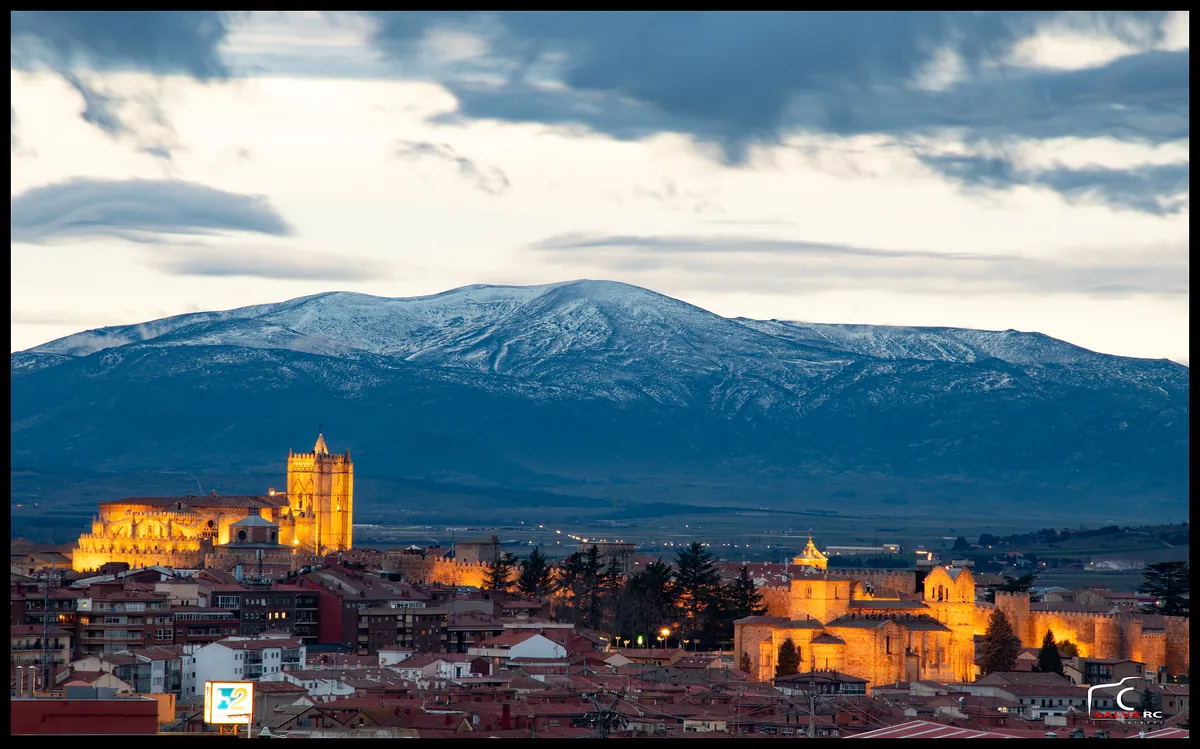
Winter is stark. Frost feathers the windows at dawn and the wind whistles through monastery arches like an unpaid extra. Yet the light is extraordinary: low, amber, turning every stone wall into a photographic studio. On clear January days you can see the snow-dusted Cordillera 80 km away, and the village belongs to whoever braves the chill. Just remember that after 23:30 even the bar closes, and the nearest petrol station is 25 km distant.
The honest verdict
Hortigüela will not keep you busy for days. Two hours covers the monuments, another two the riverbank, and by nightfall you will have learned most residents’ names. That, paradoxically, is its charm. Britain’s rural corners have been polished into weekend theme parks; here the edges remain unsmoothed. Come if you want to remember what slowing down feels like: a place where the loudest sound at 3 pm is a bicycle freewheeling downhill and where the past is not cordoned off but simply lying in the fields, waiting for whoever bothers to stop.