Full Article
about Ibrillos
Ocultar artículo Leer artículo completo
The church bells chime midday, but only a handful of people emerge from their stone houses. In Ibrillos, population 500, silence isn't an absence—it's the village's native tongue. This isn't one of those Spanish villages where tour buses clog the narrow streets or where restaurants hawk overpriced paella to overheated visitors. Here, forty minutes north of Burgos, the Castilian plateau begins its gentle roll towards the mountains, and life moves at the pace of wheat ripening in surrounding fields.
The Geography of Quiet
At 800 metres above sea level, Ibrillos sits in that transitional zone where Spain's central plateau starts to remember it once had ambitions of becoming proper mountains. The altitude matters more than you might think. Summer mornings arrive crisp, even in August, and winter brings the sort of cold that makes London's damp chill seem almost friendly. When the wind sweeps across the endless cereal fields, it carries the smell of dry earth and something else—perhaps the last remnants of Spain's medieval past, when villages like this one served as waypoints for merchants and pilgrims.
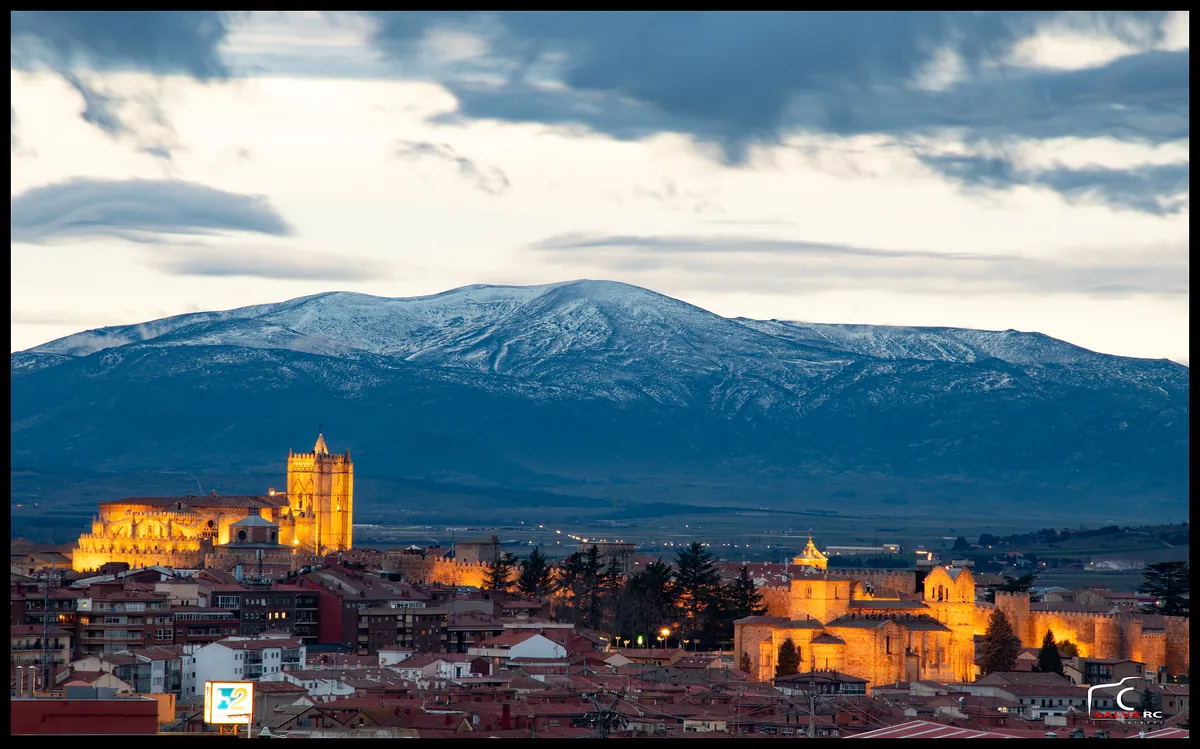
The landscape explains everything about Ibrillos. The vast horizon, unbroken except for the occasional farmhouse, creates a sense of scale that makes human concerns seem appropriately small. This is big-sky country, Spanish-style, where clouds cast shadows that drift across wheat fields like slow-moving ships. The village itself clusters around its 16th-century church, houses huddled together as if seeking protection from the elements—or from the weight of all that space.
What Passes for Action
Let's be honest: if you're after zip-lines, wine tours, or artisanal chocolate shops, keep driving. Ibrillos offers something increasingly rare in Europe—a place where nothing much happens, and happens beautifully. The main street, Calle Real, takes all of twelve minutes to walk from end to end, assuming you stop to admire the stone masonry on the older houses or wonder why someone painted their balcony railings that particular shade of green.
The Church of San Pedro stands at the village's heart, its bell tower visible for miles across the flatlands. Inside, the atmosphere carries that particular weight of centuries of worship—not grand like Burgos Cathedral, but honest, practical, built for farmers who needed faith to make sense of droughts and failed harvests. The interior shows its age in the best possible way: worn stone floors, wooden pews polished smooth by generations of backsides, and that distinctive coolness that stone buildings maintain even during summer's peak.
Around the church, the village's architecture tells its own story. Houses built from local stone and adobe, with terracotta roof tiles that have weathered to a soft ochre. Wooden doors substantial enough to keep out both winter winds and, presumably, the wolves that once roamed these plains. Many properties show the tell-tale signs of slow decline—peeling paint, gardens gone wild, the occasional collapsed roof where a family line has ended or moved away to Burgos or Madrid.
The Art of Doing Very Little
The real activity here happens at the edges of the day. Dawn brings elderly residents shuffling to the bakery for fresh bread, while dusk sees them emerge again for the evening paseo, that quintessentially Spanish ritual of walking slowly around the village square, acknowledging neighbours with the slightest of nods. Between these times? The fields get worked, the church bell marks the hours, and the village's single bar serves coffee that could wake the dead.
Walking the countryside requires minimal preparation. Flat paths radiate from Ibrillos like spokes from a wheel, following ancient rights of way between fields. Spring brings the most reward—green wheat rippling like water in the breeze, poppies splashing red across field margins, and birdsong replacing the winter silence. Autumn offers its own muted palette of golds and browns, while summer walking demands an early start before the heat makes even thinking feel like too much effort.
Birdwatchers arrive with binoculars and patience. The agricultural landscape supports species that have vanished from Britain's intensive farmland—crested larks, calandra larks, and if you're fortunate (or unfortunate, depending on your viewpoint), a great bustard strutting through the crops like an overstuffed Victorian gentleman.
The Culinary Reality Check
Here's where honesty becomes essential. Ibrillos itself offers exactly zero restaurants and one shop that keeps hours best described as erratic. The village bar serves basic raciones—perhaps some local cheese, definitely cured meats, and coffee that locals drink standing at the counter while discussing rainfall statistics. For anything more substantial, you'll need wheels.
The nearest proper meal awaits in Briviesca, fifteen minutes drive north on the A-1. There, Mesón de la Parrilla serves roast suckling lamb that falls off the bone, accompanied by wine from Ribera del Duero that makes you understand why Spanish winemakers never bothered with France's pretensions. Expect to pay around €25 for a three-course lunch, including wine—prices that make British gastropubs seem like daylight robbery.
Alternatively, pick up supplies in Briviesca's Saturday market. Local producers sell cheese made from sheep's milk, chorizo that actually tastes of paprika rather than preservatives, and honey from bees that have never heard of pesticides. Pack a picnic and head back to Ibrillos, where the stone benches around the church provide perfect spots for lunch with a view across the plains.
When to Visit, When to Stay Away
Spring transforms Ibrillos from winter bleakness into something approaching picturesque, though using that word feels like a betrayal of the village's determined authenticity. April and May bring green fields, comfortable temperatures, and the sense that you've stumbled into Spain's best-kept secret. September repeats the trick, with the added bonus of harvest activity adding movement to the landscape.
Summer means heat—serious heat. Temperatures regularly top 35°C by midday, and the village's limited shade becomes prime real estate. August also brings the fiesta patronales, when ex-residents return and Ibrillos briefly remembers it once had ambitions of being lively. The population might triple for three days, though "lively" remains relative—think elderly relatives catching up over wine rather than Ibiza-style hedonism.
Winter arrives with medieval severity. Days shorten dramatically, fog rolls in from the fields, and the wind carries knives. Between November and March, Ibrillos feels like a place testing your commitment. Beautiful, certainly, but in the way that Siberian steppes might be beautiful—best admired from a safe distance, preferably somewhere with central heating.
The Practicalities Nobody Mentions
Getting here requires accepting that Spanish public transport remains a work in progress. Buses from Burgos run twice daily, except Sundays when they don't run at all. The service stops at the junction with the main road, leaving a twenty-minute walk to the village itself—pleasant in May, purgatory in August, impossible during winter storms.
Driving makes infinitely more sense. From Bilbao, follow the A-1 south for ninety minutes. From Madrid, allow two hours north on the same motorway. The exit at Briviesca appears suddenly—miss it and you'll find yourself in the Basque Country wondering where the landscape went wrong. After leaving the motorway, country roads wind through fields where tractors have right of way and sheep crossings aren't just theoretical.
Accommodation options within Ibrillos itself remain limited to a single casa rural, sleeping six, booked through the village bar. More choices exist in Briviesca, including Hotel San Lorenzo, where rooms start at €60 and include breakfast featuring local cheese and that Spanish hotel staple—cake served with coffee, because apparently breakfast isn't breakfast without dessert.
The Honest Truth
Ibrillos won't change your life. You won't discover your authentic self, find spiritual enlightenment, or post Instagram photos that make friends jealous. What you might find instead is something increasingly precious—a place that doesn't need you, doesn't particularly want you, but will tolerate your presence if you arrive with appropriate humility.
The village rewards those who understand that travel isn't always about ticking boxes or accumulating experiences. Sometimes it's about sitting on a stone wall, watching wheat fields shimmer in afternoon heat, and realising that somewhere in the world, people still live according to rhythms established centuries ago. Not because they're quaint or traditional, but because these rhythms work, and because change, when it arrives, tends to drift in as slowly as the shadows across the Castilian plains.
Leave before dusk, or book that casa rural and stay. Either way, Ibrillos will continue its quiet existence, church bells marking time while the modern world rushes past on the nearby motorway, barely noticing this stubborn outpost of silence and stone.