Full Article
about Mambrillas De Lara
Ocultar artículo Leer artículo completo
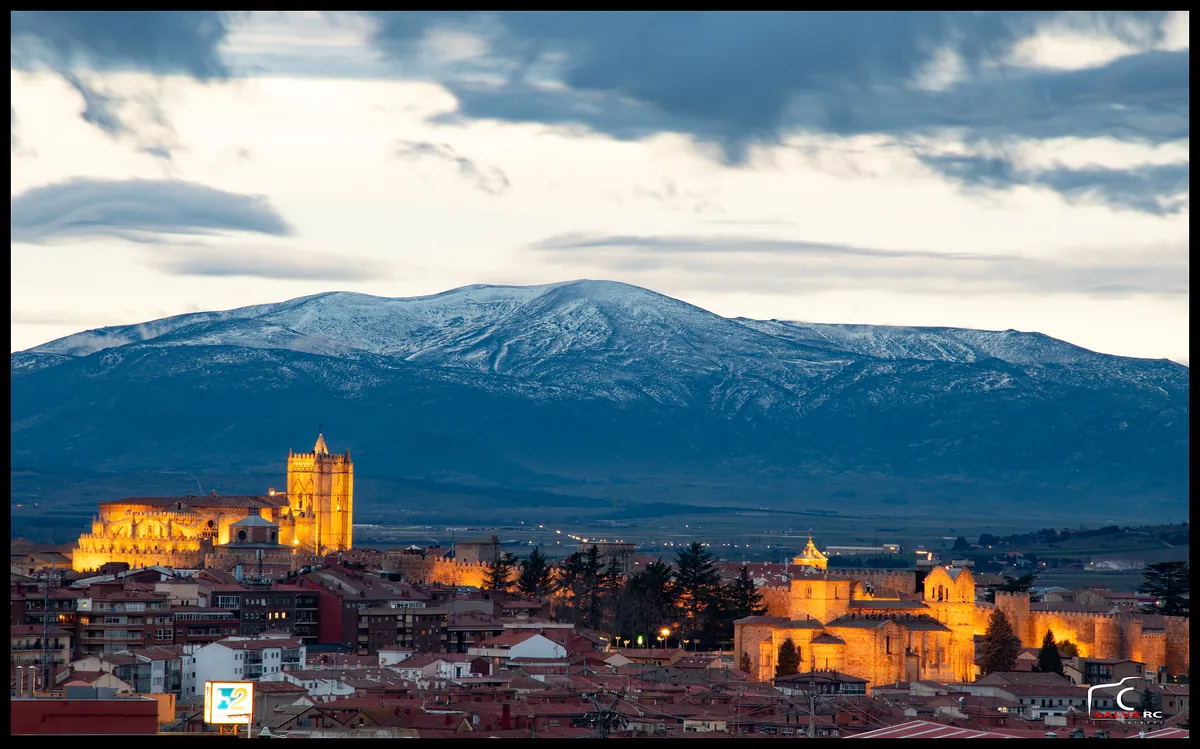
The church bell strikes noon and the temperature drops five degrees in the shade. At 1,023 metres above sea level, Mambrillas de Lara sits high enough for the air to feel thinner, cleaner, almost alpine. Stand in the tiny Plaza Mayor, turn slowly through 360 degrees, and you’ll count more horizon than rooftops—wheat stubble stretching north toward the Arlanza gorge, a scatter of stone houses huddling south against the wind, and above it all a sky that seems to have been given extra canvas.
This is Castilla y León’s paramera, the high cereal plateau that the Romans called “the land between skies.” The village itself is a single breath: two parallel streets, a church, a bar, a fronton court and a cemetery that still faces east because medieval Christians expected the sunrise on resurrection day. You can walk from one end to the other in seven minutes—eight if the goats are crossing.
Stone that Outlasted Empires
Every house here is built from the same honey-coloured limestone that the Duke of Lara quarried for Burgos cathedral thirty kilometres away. Look closely at doorways and you’ll find Romanesque capitals reused as corner stones, Visigothic reliefs wedged upside-down into stable walls, even a fragment of a 10th-century grave slab serving as a windowsill. Nobody made a fuss; stone was simply recycled when a wall fell or a barn expanded. The result is an architectural palimpsest that scholars drool over and locals lean bicycles against.
The 15th-century parish church of San Andrés keeps the same pragmatic attitude. Its south porch is pure late-Gothic, but the tower was heightened in 1780 after lightning split the original, and the 1950s priest painted the interior a colour best described as “institutional green.” Step inside on a weekday morning and the only illumination is the flicker of a votive candle and the red standby light of the electric organ. Entrance is free; if the door is locked, ask in the bar and someone’s cousin will appear with a key in exchange for a euro dropped into the restoration box.
Walking the Sky’s Edge
Leave the village by the cement track signed “Ermita del Carrascal” and within ten minutes the asphalt gives way to a white dust road that smells of wild thyme and hot pine. This is the GR-86, a long-distance footpath that links the Sierra de la Demanda with the gorge of Covarrubias. Locals simply call it el camino de la era—the threshing-floor path—because it passes three stone circles where wheat was once trodden by oxen. The going is gentle; even families with small children can reach the ruined hermitage in forty minutes. From the crest at 1,170 m you can see the cereal sea change colour with every cloud: ochre in August, electric green after April rain, and in winter a short, sharp coat of frost that crunches like cornflakes.
Serious walkers can continue north along the rim of the Arlanza canyon. A six-hour loop drops 600 m into the river then climbs back through holm oak and juniper to the plateau, emerging opposite the Romanesque monastery of San Pedro de Arlanza. Carry water—there is none between the village and the river—and download the track offline; phone signal vanishes after the first ridge.
Roast Lamb and Other Sunday Rituals
Food is altitude food: thick, slow-cooked, designed for shepherds who spent the day watching merino sheep. The only public eating place is Bar Rincón, open Thursday to Sunday, where the menu is written on a paper napkin and changes with whatever José Luis has in the oven. Lechazo—milk-fed lamb roasted in a wood-fired clay horno—arrives sizzling on a tin plate, the skin blistered into parchment, the meat so tender it parts with a sigh. A quarter portion feeds two greedy adults and costs €18. If you ring the day before, Ana will slip in a slice of tortilla for a packed lunch; she’ll also warn you that the coffee machine is broken “until further notice,” so caffeine addicts should order the local red from Aranda instead.
For self-caterers, the last supermarket is in Salas de los Infantes, 19 km east. The village shop closed in 2008; the travelling grocer van still appears on Tuesdays at 11:00, horn blaring Wagner, but stocks mostly tinned tuna and bleach. Bring cheese, fruit and breakfast essentials before you leave the airport.
When the Plateau Turns Cold
Winter arrives early at a thousand metres. The first snow can dust the fields in late October and the BU-820 mountain road is occasionally closed after heavy falls. If you plan to visit between December and March, carry snow chains and enough diesel to run the heater for an hour if you meet a drifting flock. On the plus side, night skies are absurdly clear; the Milky Way looks close enough to snag on the church weathervane. Astronomers from the University of Burgos sometimes set up telescopes in the cemetery—outsiders are welcome, but dress like you would for a February football match in Newcastle.
Summer compensates with long, dry days that hit 30 °C by 14:00 yet drop to 12 °C the moment the sun slips behind the Sierra. August fiestas turn the village into an open-air reunion: temporary bars under canvas, a foam party in the fronton, and Saturday night bingo with a prize ham. Accommodation is impossible unless you are related to someone who left for Madrid in 1973; book a rural house in June or resign yourself to the motel on the Burgos ring road.
Getting There (and Away)
Bilbao is the easiest UK gateway—two hours from London, then a 90-minute drive south on the A-68 and BU-820. The final 12 km twist through pine and broom; meeting a combine harvester round a bend is part of the thrill. There is no petrol station in Mambrillas and the nearest ATM is 12 km away in Hortigüela, so fill tank and wallet before you leave the main road. Public transport is theoretical: one school bus departs Salas at 07:15 and returns at 14:30, term-time only. Miss it and you are walking.
Accommodation is limited to two village houses: Casa de las Eras (three bedrooms, wood stove, €90 per night) and Casa El Carrascal (smaller, south-facing terrace, €75). Both are spotless, heated and owned by cousins who share the same cleaning rota; neither accepts one-night stays at weekends. If they are full, the nearest hotels are in Covarrubias (25 min) or Lerma (35 min), both medieval towns worth a detour.
Leave Before the Silence Gets Too Loud
Mambrillas de Lara is not a destination for tick-list tourism. There are no souvenir shops, no interpretive centres, no gelato flavours named after Instagram trends. What you get instead is space—geographical and mental—measured out in skylarks, church bells and the faint smell of thyme that lingers on your clothes for days. Stay two nights and you will learn the rhythm: tractors at dawn, siesta hush, evening swallows diving above the plaza. Stay three and the village starts to feel normal; the silence stops feeling empty and begins to sound like something you could get used to. That is the moment to pack the car, drive back down the mountain and rejoin the motorway before the plateau convinces you to stay for good.