Full Article
about Merindad De Cuesta Urria
Ocultar artículo Leer artículo completo
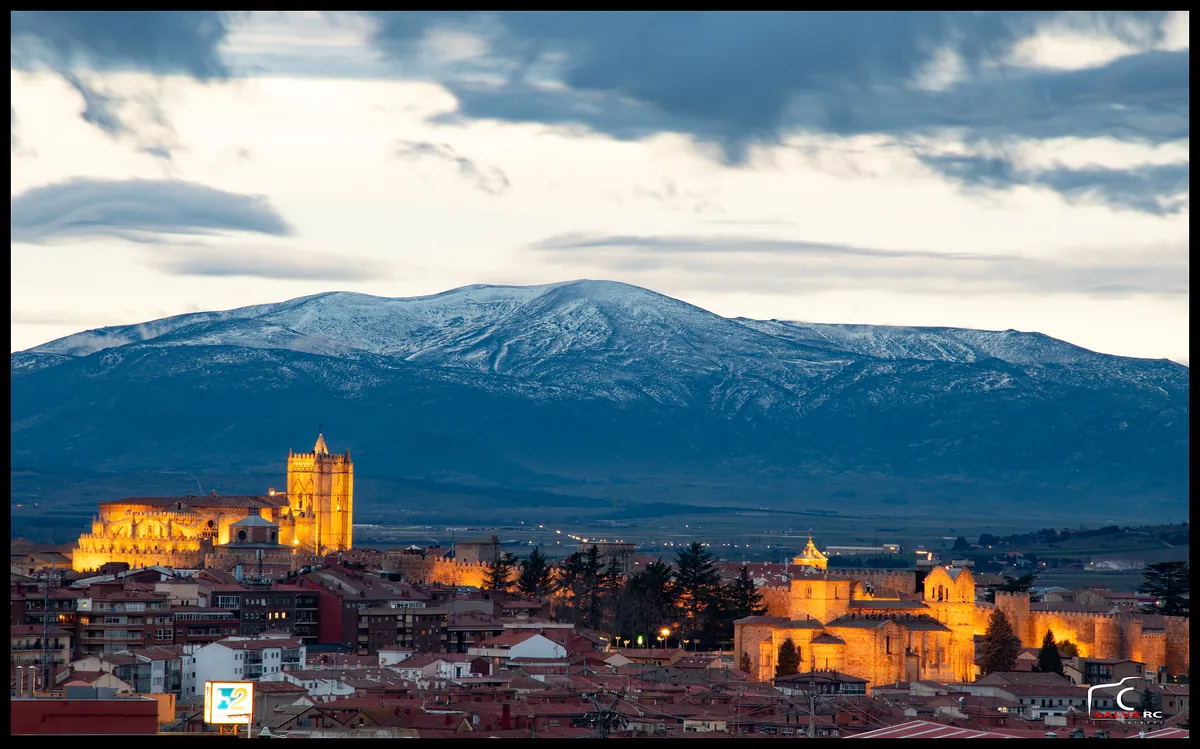
The sandstone houses appear first, their weathered shields still visible above doorways that once separated noble families from livestock. This is how Merindad de Cuesta-Urria announces itself—not with fanfare, but with the practical architecture of people who learned to live between worlds. Here, at the northernmost reach of Burgos province, the Meseta's endless wheat fields finally surrender to the Cantabrian foothills, creating a landscape that belongs fully to neither.
The Architecture of Survival
Walk through any of the merindad's villages—Quintanilla de Santa Gadea, Cuesta-Urria itself, or the smaller hamlets scattered across these valleys—and you'll notice the same building logic at work. Stone houses rise three storeys, with wooden balconies jutting out over narrow lanes. The ground floor housed animals; families lived above, with hay stored in the loft. Warmth rose through the building while the animals' body heat helped prevent frozen water troughs. It's medieval efficiency, still functioning.
The church towers tell their own story. Quintanilla's parish church stands plain-faced against the wind, its Romanesque bones visible beneath later additions. No soaring Gothic spires here—these are rural churches built by communities who needed shelter more than spectacle. Step inside during services (Sunday mornings, festival days) and you'll hear Castilian Spanish echoing off stone walls, the same sounds that have filled these spaces for five centuries.
Local builders used what the land provided: honey-coloured sandstone quarried from nearby hills, oak beams from the encroaching forests, clay tiles fired in village kilns that still operate for restoration work. Many houses retain their original doorway arches, some carved with the date of construction—1743, 1821, 1897—each marking a family's decision to stay despite harsh winters and uncertain harvests.
Walking the Old Ways
The best way to understand this territory is to follow the paths that connected these settlements long before roads arrived. Ancient tracks weave between villages, climbing through oak and beech woods before dropping into hay meadows where traditional scything techniques still shape the landscape. These aren't manicured walking routes—they're working paths used by farmers checking livestock, locals heading between villages for evening drinks, occasional visitors who've learned to read the waymarks.
Spring brings the most dramatic transformation. Fruit trees scattered through the valleys explode into white and pink blossom against fresh green meadows. By late May, the air fills with the scent of flowering hawthorn and the sound of cuckoos calling from woodland edges. Autumn delivers its own spectacle—ochre beech leaves against dark evergreen oaks, the last haystacks dotting fields like sculptures, morning mists that swallow valleys whole.
The walking is moderate rather than challenging. Most inter-village routes take two to three hours, with ascents rarely exceeding 300 metres. Carry water—village fountains often run dry in summer—and don't rely on phone signals. Weather changes quickly here; what starts as a warm valley morning can turn cold and wet on exposed ridges. Local tourism offices in Medina de Pomar (25 kilometres south) provide basic route maps, though the paths themselves are usually obvious once you find the start.
Eating What the Land Gives
Forget tasting menus and fusion experiments. The merindad's food reflects what grows locally and what families preserved to survive winter. Red beans from nearby valleys form the base of hearty stews, cooked slowly with local morcilla blood sausage and whatever vegetables the garden produced. Lamb comes from animals that grazed these same meadows you'll walk through—order it asado (roast) in the few village bars that serve food, and expect meat that actually tastes of something.
Cheese matters here. Small producers still work with raw milk from flocks that move between valley and mountain pastures. The resulting quesos vary through the year—milder and creamier in spring when animals feast on young grass, sharper and more complex after summer's drought-stressed herbage. Buy directly from producers if you can; most villages have at least one family making cheese in traditional stone huts that double as Friday night gathering spots.
What you won't find is choice. Most villages support one bar, maybe two. Menus change with seasons and what's available. Arrive late for lunch (after 3pm) and you might find the kitchen closed. Vegetarian options remain limited—this is cattle and sheep country where vegetables historically played supporting roles. But what arrives on your plate carries the flavour of this specific landscape, something no city restaurant can replicate.
When to Come, How to Stay
Spring and autumn offer the best balance of weather and accessibility. Summer turns hot in the valleys—temperatures regularly hit 30°C—but mornings stay cool enough for walking. Winter brings snow above 800 metres; some villages become intermittently cut off during heavy falls. The merindad's five thousand residents spread thinly across scattered settlements mean services operate on mountain time. The single daily bus from Burgos reaches Quintanilla at 6pm, leaves at 6:15am next day. Miss it and you're walking or waiting 24 hours.
Accommodation remains limited and basic. A handful of village houses rent rooms to visitors—expect comfortable but simple facilities, hot water when the solar panels work, breakfasts featuring homemade jam and local honey. Prices run €40-60 per night, occasionally less if you stay several days. Book ahead; there's no reception desk to pound on if you arrive unannounced. The nearest hotels cluster in Medina de Pomar, half an hour's drive south on roads that wind through landscapes that made medieval travellers believe they'd reached world's end.
Come here for silence broken only by church bells and cattle bells. For stone houses that have outlasted kingdoms. For paths that lead somewhere specific rather than nowhere in particular. The merindad offers no Instagram moments—just the slower rhythms of places where people still shape their lives around seasons rather than schedules.