Full Article
about Monasterio De La Sierra
Ocultar artículo Leer artículo completo
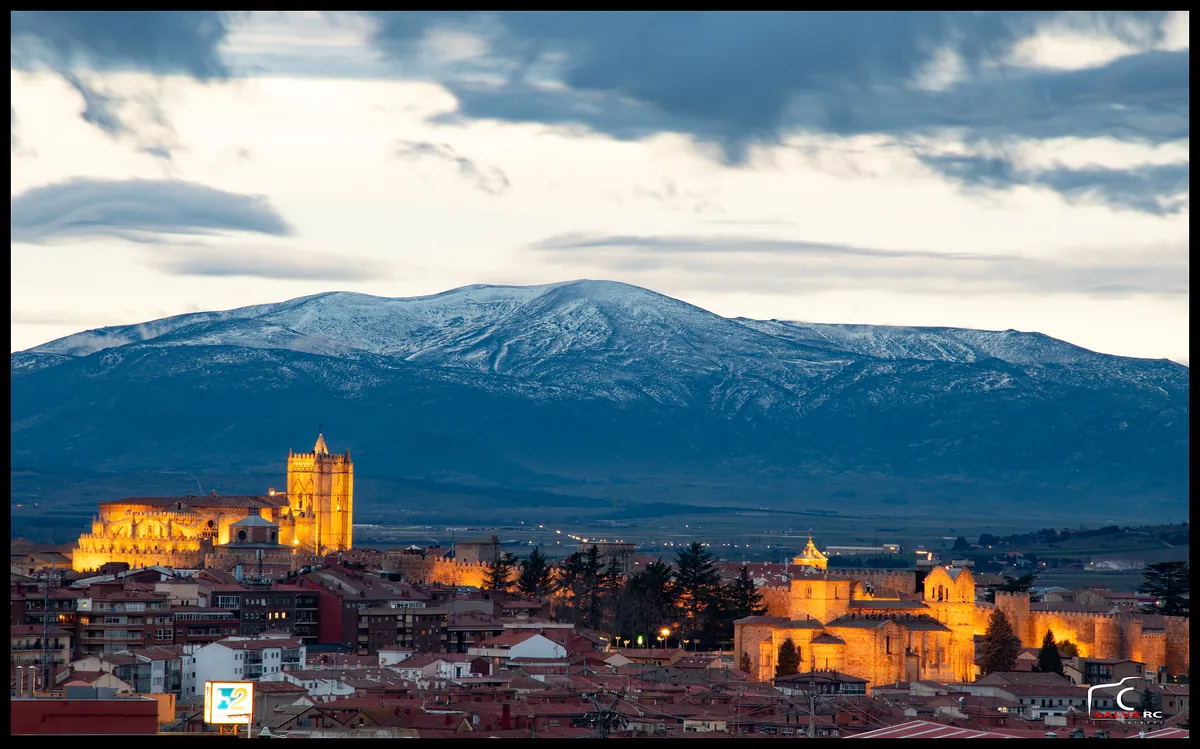
The church bell strikes noon, yet only a handful of swallows reply. Forty-odd residents, two sleepy cats and a tractor idling outside the single stone bakery—that is the entire soundtrack of Monasterio de la Sierra at the crest of a working day. Stand on the tiny plaza and every roofline tilts east, funnelling your eye towards the pine wall of the Sierra de la Demanda. There is no monastery any more, whatever the name suggests; the village is the retreat.
A reservoir instead of a sea
Half a kilometre down the hill, water glints between Scots pines. The Embalse de Monasterio was built in the 1950s to irrigate farmland far below, but locals quickly claimed it as their summer lido. A hand-cleared beach of river sand, a wooden dock and two picnic tables constitute the facilities; entry is free, opening hours are sunrise to shepherd’s bedtime, and the water temperature rarely climbs above 19 °C even in July. On weekdays you may share the cove with a pair of kingfishers; at weekends families from Salas de los Infantes arrive with cool boxes and radio-controlled boats. Bring footwear—zebra mussels make the stones razor-sharp—and carry rubbish out; there are no bins.
Anglers can buy a day permit online (€8) for pike and carp, but spinning from the dam wall is prohibited. The northern shore follows a forest track suitable for mountain bikes; hire them in Salas (€25 a day) because the village has neither shop nor rental.
Walking without way-markers
Monasterio sits at 1,100 m, high enough for Atlantic weather to pick fights with continental. Morning can be 12 °C in August; by teatime thermometers touch 30 °C. Pack a fleece whatever the calendar says.
Six footpaths leave the upper streets, signposted only by painted blobs on gateposts—Castilla y León’s minimalist approach. The most straightforward route climbs south-west through beech and Pyrenean oak to the Collado de las Barreras (1,560 m, 4 km, 300 m ascent). From the pass you look north over the pine waves of the Demand ridge and south into the cereal basin of the Duero. The path continues to the ruined Ermita de Santa Cruz, where medieval shepherds once prayed before driving flocks to winter pasture. Total circuit back to the church: 9 km, two hours moving, longer if you stop to photograph boar prints.
A tougher option strikes east along the PR-BU 68 to the summit of San Millán (2,131 m), the province’s second-highest peak after Urbión. It is 14 km return, 1,000 m of climb, with no water after the village fountain—fill bottles at the stone trough by the cemetery. Snow can linger in north-facing gullies until May; after October carry a coat and tell someone your ETA because mobile signal dies 2 km out.
What you will not find
There is no café, no bakery counter, no souvenir tea-towel. The last grocer closed when the owner retired in 2018, so stock up in Salas de los Infantes (15 km) before the mountain road corkscrews upwards. The single hostal keeps a honesty shelf of tinned beans and wine for late arrivals, but prices reflect the haulage. If you crave an evening beer, drive ten minutes to Barrio de Muñó where Casa Macario pours draft Estrella from 20:00 and plates of carrilleras ibérico (slow-braised pork cheeks, €9) until the food runs out—usually about 22:30.
Accommodation is entirely self-catering cottages converted from stone byres. Expect beams blackened by centuries of oak smoke, wood-burning stoves and Wi-Fi that wheezes through a 4G router. Electricity is included; firewood often is not (€5 a basket). Nightly rates hover around €80 for two bedrooms, cheaper mid-week. British booking sites rarely list the village; search the Spanish portals Ruralia or Toprural and run Google Translate on the descriptions.
Seasons of solitude
Spring arrives late: crocuses puncture the meadow in April, followed by a two-week explosion of cherry blossom that locals call the alboroto. Temperatures range 6–16 °C; nights are chilly but days are crystal. This is mushroom-preview season—morels appear in river gullies—yet trails stay quiet except for Easter weekend.
Summer is the busy window, meaning perhaps twenty visitors in the lanes at once. Daytime heat tops 32 °C, but the altitude keeps humidity low and the pine forest exhales cool air after 18:00. Swimmers linger at the reservoir until sunset; the water reflects the ridge like polished pewter.
Autumn is the locals’ favourite. Beech leaves turn copper, rowan berries glow red and the first setas (ceps, níscalos) push through the leaf litter. Weekend micólogos arrive with knives and wicker baskets; join them only if you carry a fungi guide and the compulsory regional permit (€8, sold online). The village harvest fiesta, held the first Sunday of October, fills the plaza with a pop-up grill: caldereta de cabrito (kid stew, €4 a bowl) and young red wine from Aranda.
Winter strips the landscape to graphite and bone. Daytime highs struggle past 6 °C; at night thermometers sink to –8 °C. Snow is frequent but rarely heavy enough for sports—bring micro-spikes rather than skis. The BU-550 is cleared by 10:00 after falls, but the council does not grit side lanes, so parking on the hill can mean a 200 m slide back to the main road. On the plus side, prices drop by a third and the silence is total; even the dogs whisper.
A plate for cold days
Village kitchens come with clay cazuelas for a reason. The local cuisine is built on wood-fired stews that ignore fashionable lightness. Sopa de tomate is the gentlest entry: ripe tomatoes simmered with garlic and a bay leaf, thickened by bread and finished with a handful of sweet grapes—surprisingly refreshing after a hike. Move up to carrilleras, pork cheeks braised in pimentón de la Vera (ask for the sweet dulce version if you dislike heat). The definitive mountain dish is caldereta de cordero lechal, milk-fed lamb slow-cooked with potatoes and choricero peppers; expect to pay €14–16 in Salas restaurants. Vegetarians survive on judiones (giant butter beans) stewed with saffron, though you should request “sin chorizo” because the paprika sausage often arrives unadvertised.
Cheese is mild: cured sheep queso de oveja tastes like a nutty Manchego without the salt crystals. Buy it at the Sunday market in Aranda de Duero (40 min drive) or ask your cottage owner; most keep a wheel from their cousin’s flock.
Leaving without a postcard
Monasterio de la Sierra will not hand you Instagram fireworks. Its appeal is subtraction: no traffic lights, no piped music, no queue for anything. The risk is that subtraction can tip into privation—if it rains for three days, the nearest cinema is 45 km away and the pub is your own kitchen table. Come prepared, and the village repays with clear starlight, forest trails you can follow for an hour without meeting another boot, and the small revelation that forty souls can still keep a Spanish mountain settlement alive. Miss the food run, forget to download maps or assume somebody will sell you a loaf, and you will learn the harsher side of 1,100 m. Pack correctly, respect the altitude, and the Sierra de la Demanda lets you borrow its silence for a while—just don’t expect room service.