Full Article
about Monterrubio De La Demanda
Ocultar artículo Leer artículo completo
The thermometer read minus eight when the night bus from Burgos wheezed to a halt beside the stone cross at the entrance to Monterrubio de la Demanda. Two elderly passengers stepped off, both wearing the same sheepskin coats they'd worn in the 1970s when they first left for factory jobs in Valladolid. They nodded at the driver, pulled their cases across the frosted tarmac, and disappeared uphill between stone houses whose wooden balconies still carried yesterday's washing, frozen stiff as boards. No-one else moved. The engine revved, the doors hissed shut, and the village returned to the sound of its own breathing—wood smoke, a distant chainsaw, the soft thud of snow slipping from a slate roof.
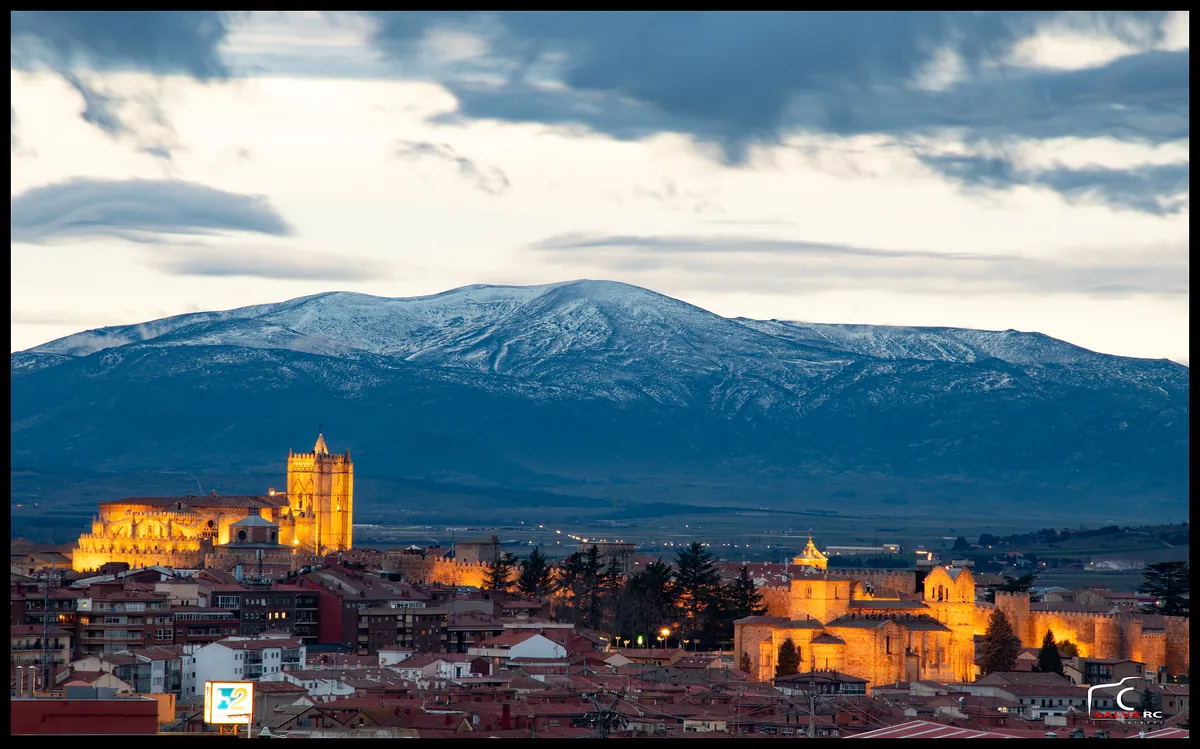
At 1,100 metres on the northern flank of the Sierra de la Demanda, Monterrubio doesn't do picturesque. The place is too busy surviving winter. Roof pitches are brutal, chimneys fat, walls built from whatever the mountain yielded when someone last needed a house. Granite corners patch into mottled limestone; timber galleries sag under the weight of centuries. Walk the four main streets—Calle Real, Calle Nueva, Calle Iglesia, Calle del Medio—and you clock maybe forty homes, a bar that opens when the owner returns from feeding her goats, and a seventeenth-century church whose tower serves double duty as mobile-mast. The每周 market vanished decades ago; the last chemist retired in 1998. What remains is altitude, silence, and the smell of oak burning.
That altitude shapes everything. Spring arrives three weeks later than in Burgos, 60 km north, and the first autumn frost can land before September is out. Locals keep two sets of tyres, two kinds of footwear, two calendars—one for the valley below, one for up here. Even the lentils taste different: smaller, darker, needing longer in the pot, they form the base of cocido serrano, a stew thick enough to keep a shepherd upright through a nine-hour blizzard. Order it at the only restaurant that answers its phone (Restaurante Demanda, Calle Real 17, menú del día €14) and you get a clay bowl, a hunk of bread, and permission to sit as long as the fire lasts.
Summer brings relief, not crowds. The population doubles—from ninety to perhaps a hundred and eighty—when grandchildren arrive to spend July picking blackberries and learning to distinguish Boletus edulis from the poisonous Rubroboletus satanas. Mushroom hunting is regulated by a village committee: permits €5 a day, weigh-in at the plaza each afternoon, maximum three kilos per person. Outsiders sometimes grumble, but the rule keeps the slopes from being stripped bare and the locals from turning feral. If you want guidance, knock at the house with the green door opposite the church. Ask for Paco; he charges €20 an hour, speaks no English, and will confiscate your knife if you attempt to cut a mushroom before he's checked the cap.
Walking tracks start directly from the square. The easiest follows the Arroyo de la Negra for 4 km through beech and sessile oak to the abandoned hamlet of Vadillo. Stone roofs have collapsed onto hearths where snow still lingers in July; wolf scat appears on the path from October onward. For something sterner, the PR-BU 71 climbs south-east to the Carambolo pass (1,650 m) then drops to the stone shelters of Hoces de San Julián, a twelve-kilometre loop that can be done in four hours if you're fit and the weather holds. The trail is way-marked but not coddled: no handrails, no snack machines, phone signal vanishes after the second kilometre. Take water—streams freeze at night even in May—and tell someone where you're going. The Guardia Civil post is 25 km away; rescue takes time.
Access remains the big caveat. From Burgos you drive the N-120 towards Logroño, peel off at Huerta de Abajo, and spend the next 40 minutes on the BU-810, a road that narrows to single-track whenever two lorries meet. Snow chains are compulsory between November and March; the tarmac ices early and thaws late. Buses run twice daily except Sunday, timing geared to medical appointments rather than tourism. Miss the 17:30 back to the city and you're spending the night—hope exists in the form of three guest rooms above the bar, €35 a night, heating extra, Wi-Fi theoretical.
Yet the inconvenience is the point. Monterrubio has not been polished for weekend consumption. The village survives because its people learned to live with altitude, isolation, and the certainty that winter will try to kill you. That stubbornness produces moments you can't manufacture: a ninety-year-old woman splitting kindling at dawn, her breath rising like steam; the bar filling with woodcutters at 9 a.m., all ordering carajillo—coffee laced with rum—because the thermometer says minus five; the church bell tolling the Angelus while golden eagles circle above slopes that still belong to them.
Come in October if you want colour: beech forests turn the colour of burnt sugar and the air smells of cider. Come in February if you want silence so complete you hear your own heart. Do not come expecting gift shops, night-life, or avocado on toast. Come with decent boots, a full tank, and enough Spanish to say "Buenas tardes, ¿hay habitación?" The village will do the rest—briefly, honestly, then send you back down the mountain before the next storm arrives.