Full Article
about Piernigas
Ocultar artículo Leer artículo completo
The church bell strikes noon, yet only three cars line the main street. A woman emerges from the panadería with yesterday's bread, still warm, wrapped in white paper. This is Piernigas at midday, a village where silence isn't absence but presence—thick as the adobe walls that have absorbed centuries of Castilian quiet.
At 940 metres above sea level, Piernigas sits high enough to escape the worst of the meseta's summer furnace, though winter brings its own challenges. When snow dusts the wheat fields, the single road from Burgos can ice over, cutting the village off for days. The altitude also means nights stay cool even in August, when Madrid swelters three hours south. Bring a jacket, whatever the season.
Stone, Earth and Sky
The village spreads across a low ridge, houses built from whatever the land provided. Granite foundations support walls of mud and straw, their surfaces eroded into geological maps by rain and wind. Roofs slope gently, tiled in weathered terracotta that bleeds rust-coloured streaks down cream-coloured plaster. It's architecture born of poverty and pragmatism, yet the overall effect—whitewash against ochre earth beneath an enormous sky—carries its own stark beauty.
No souvenir shops. No boutique hotels. The sole accommodation is Casa Rural El Parral, three rooms above the former schoolhouse, booked most weekends by Spanish families tracing their roots. Rates start at €60 for two, including breakfast of strong coffee and tostadas rubbed with tomato and garlic. The owner, Asun, inherited the building from grandparents who raised eight children here. She'll explain, if asked, which fields belong to whom, who's selling up, who's letting the land go back to weeds.
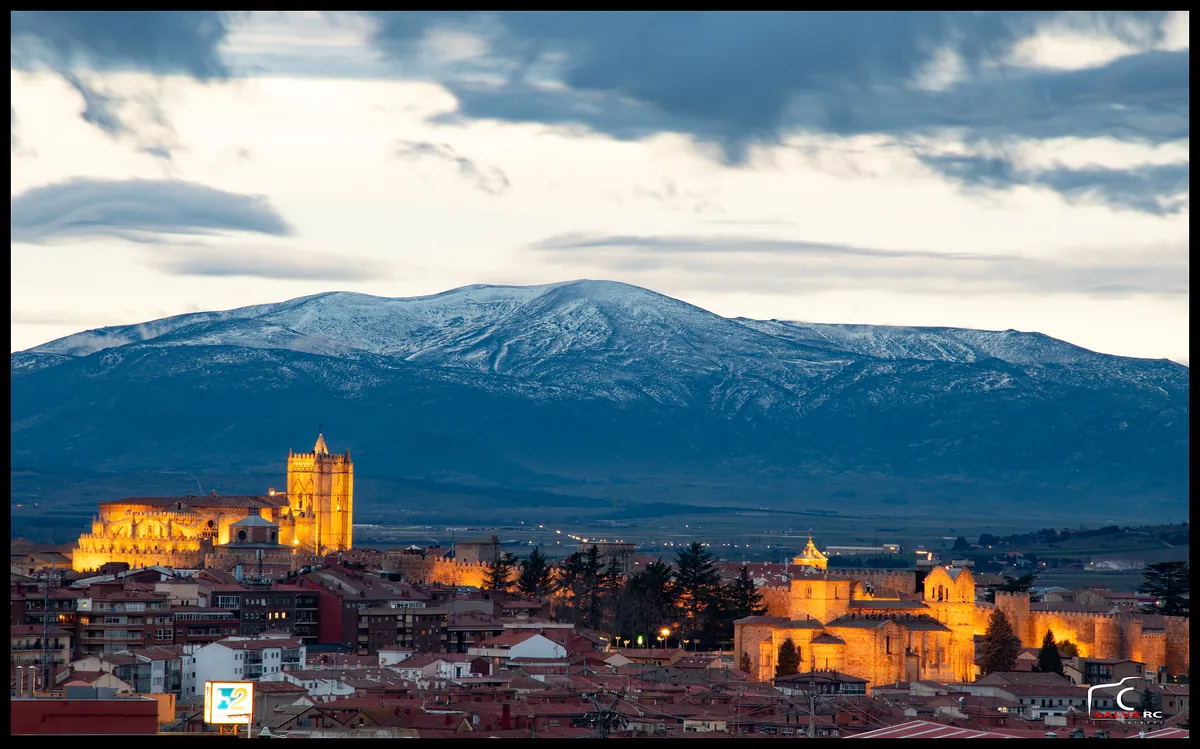
The parish church of San Pedro stands at the village's highest point, its 16th-century tower visible for miles across the agricultural plain. Inside, the air smells of wax and damp stone. The altar piece needs restoring—paint flakes like psoriasis—but the carved wooden lectern remains exquisite, its grapevines and wheat sheaves celebrating the village's twin economies. Sunday mass at 11 draws thirty parishioners on a good week, their voices rising in plainsong that hasn't changed in four centuries.
Walking the Boundaries
Piernigas measures barely a kilometre from end to end, but the surrounding network of agricultural tracks offers hours of walking. Head east on the camino that follows the dry stone wall—built during the Civil War when prisoners needed occupying—and you'll reach the abandoned hamlet of Villanueva after 45 minutes. Its church roof collapsed in 1968, taking the bell tower with it. Ivy now claims the nave; storks nest where sermons once echoed.
Spring brings the best hiking conditions. From March through May, wheat shoots green the landscape, punctuated by blood-red poppies and wild asparagus that locals collect for omelettes. Temperatures hover around 18°C—perfect for the 12-kilometre circuit that links Piernigas with three neighbouring villages. The path crosses the Arroyo del Cuco twice; after heavy rain you'll need to remove shoes and wade. Markers consist of faded yellow arrows painted by a shepherd decades ago. GPS helps.
Summer walking requires planning. Daytime temperatures regularly exceed 32°C, and shade exists only where poplars line the watercourses. Start early, carry two litres of water minimum, and plan to finish before noon. Autumn rewards with migrant storks gathering overhead, their wings creaking like rigging, while winter transforms the landscape into a silver-grey study in minimalism. Then the walking becomes genuinely cold—daytime highs of 6°C, nights dropping to -8°C. Frost patterns etch the windows; inside, villagers huddle around olive-wood fires that perfume the air with resinous smoke.
The Taste of Dry Castile
Food here follows the agricultural calendar. In late October, families slaughter pigs in age-old ritual. The entire animal becomes morcilla (blood sausage flavoured with rice and onions), chorizo spiced with pimentón de la Vera, and jamón cured in bedrooms where winter fires provide constant low heat. Visit during matanza and you'll be offered fresh chicharrónes—crackling so delicate it shatters between teeth—washed down with rough red wine from vines that predate Franco's agrarian reforms.
The village's single bar, Casa Juan, opens at 7am for field workers and closes when the last customer leaves. Juan's wife Conchi cooks whatever's available: migas—fried breadcrumbs with garlic and grapes—on Thursdays; cordero asado on Sundays when someone commissions a whole lamb. A three-course lunch with wine costs €12. They're closed Tuesdays and all of August, when even Castilian villages need holidays.
For supplies, the mobile shop visits Tuesday and Friday mornings—a white van whose shelves stock everything from anchovies to zapatos. Bread arrives daily at 1pm from the bakery in Villarcayo, 18 kilometres distant. If you miss it, there's always yesterday's, wrapped in plastic and still perfectly edible thanks to the altitude's drying effect.
When the Lights Go Out
Darkness falls suddenly here. One moment the wheat fields glow gold; the next, streetlights flicker on—three of them, solar-powered and dim enough to preserve night vision. What follows surprises first-time visitors: a sky so saturated with stars that constellations become irrelevant. The Milky Way arches overhead like spilled sugar; shooting stars streak every few minutes. On moonless nights, you can read by starlight alone.
The silence deepens. Dogs bark across kilometres; occasionally a tractor grumbles home. Otherwise, nothing but wind worrying the television aerials. It's the kind of quiet that makes city dwellers nervous initially, then addicted. Insomniacs sleep here. Children ask why the sky is shouting.
Getting There, Getting Away
Piernigas lies 74 kilometres north of Burgos, reachable only by car or taxi. The final 23 kilometres wind through villages whose populations you can count on two hands. In winter, carry snow chains—the road climbs 300 metres in the final stretch, and Castile's snow arrives suddenly, driven by winds that have crossed three provinces unimpeded.
Car hire from Burgos airport costs around €35 daily; reserve automatics well ahead as manual transmissions dominate Spanish fleets. Alternatively, taxi driver Jesús charges €80 each way—expensive until you factor in his encyclopaedic knowledge of every ruin, viewpoint and family feud within 50 kilometres. He'll stop at the Roman bridge nobody mentions in guidebooks, point out vultures' nests invisible from the road, explain why that field grows lentils instead of wheat.
Leave before dawn on departure day. Pull over where the road crests the final ridge, engine ticking as it cools. Watch Piernigas recede below—a cluster of lights floating in agricultural darkness, each representing families who've chosen this particular patch of high Castilian plain over everywhere else. The village looks smaller from here, yet somehow larger too—an outpost of human continuity in a landscape that measures time not in years but in harvests, droughts, and the slow patience of stone walls learning to lean with the wind.
Don't expect to tick boxes here. Come instead to understand how most of Spain lived until very recently—how millions still live, if you know where to look. Piernigas offers no epiphanies, only the quieter satisfaction of witnessing a way of life that persists because it works, more or less, as it has for longer than anyone can remember.