Full Article
about Pinilla De Los Moros
Ocultar artículo Leer artículo completo
The stone houses appear to grow from the earth itself, their weathered walls the same ochre hue as the surrounding Castilian plain. At 945 metres above sea level, Pinilla de los Moros sits exposed to whatever weather sweeps across the meseta, the high central plateau that defines this corner of Burgos province. In winter, the wind carries enough bite to make even the hardiest walker reconsider that afternoon stroll. Come July, the same wind offers blessed relief from temperatures that regularly top 35°C.
This is farming country proper, where the horizons stretch until they blur and every stone wall tells of generations who've coaxed wheat and barley from stubborn soil. The village name—literally "Pinilla of the Moors"—hints at darker histories, when Christian and Muslim forces clashed across these borderlands during the medieval period. Today's battles are more likely to involve negotiating a tractor down narrow lanes originally designed for donkeys.
A Village That Time Forgot to Modernise
Wandering through Pinilla's streets reveals a settlement that tourism largely passed by, and frankly, that's part of its appeal. The 16th-century church of San Pedro Apóstol squats solidly at the village centre, its robust tower visible for miles across the empty plain. Unlike better-known destinations, there's no helpful opening times board or multilingual audio guide. The door might be locked, or it might swing open to reveal a simple interior where farmers have prayed for rain and reasonable grain prices for centuries.
The houses themselves tell stories of agricultural life lived close to the bone. Many retain their original bodegas—underground cellars where families once pressed grapes and stored wine through bitter winters. Above ground, wooden balconies sag slightly under the weight of decades, their paint peeling in the arid climate. Some properties stand empty, their roofs gradually collapsing inward as younger generations drift towards Burgos city or beyond. Others have been sensitively restored by returnees who've discovered that London salaries stretch considerably further in rural Castilla.
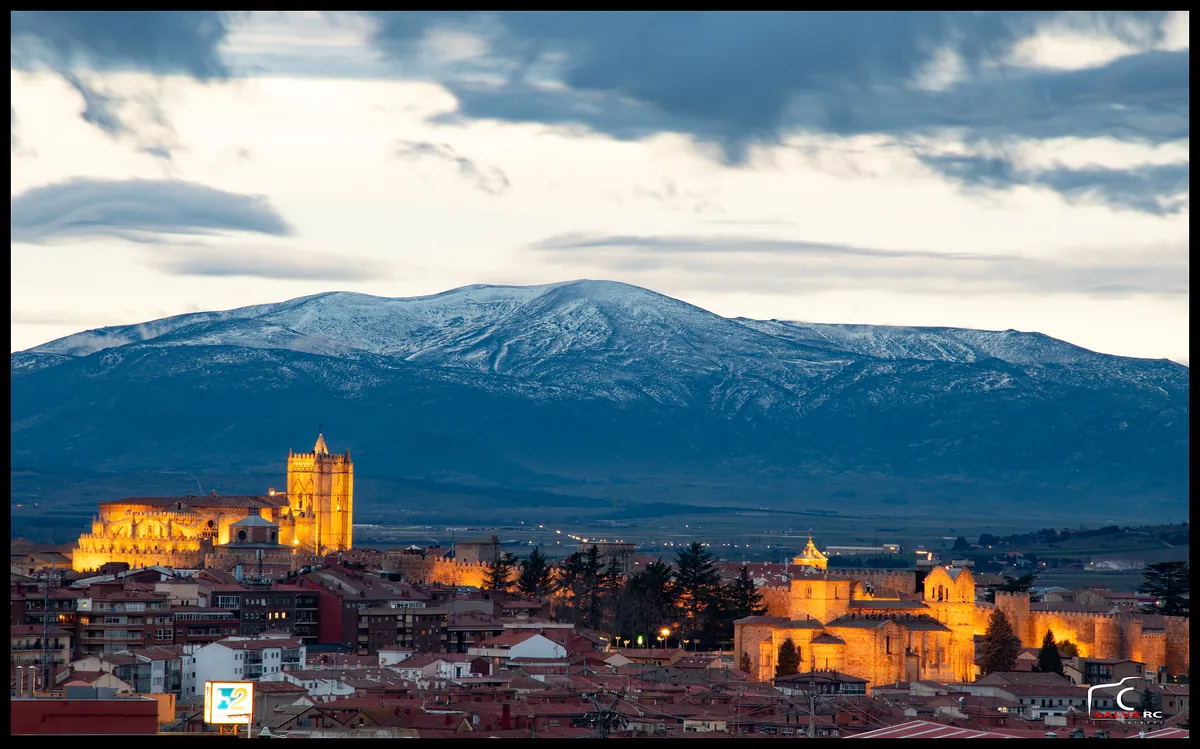
Photographers should bring long lenses. This isn't a place for postcard-perfect shots of flower-filled balconies. Instead, the appeal lies in geometric patterns of golden stone against cobalt skies, the way morning light catches on a weathered wooden door, or how the church tower casts shadows across dusty streets where nothing much happens very slowly indeed.
Walking Where Shepherds Still Tread
The immediate landscape won't feature in any glossy hiking magazines, and that's precisely why it rewards exploration. A network of agricultural tracks radiates from the village, following routes that shepherds and farmers established centuries before GPS. These aren't maintained trails with reassuring waymarks every hundred metres. They're working paths, muddy after rain, dusty during drought, occasionally blocked by herds of sheep whose bells provide the only soundtrack beyond the wind.
Spring brings the most dramatic transformation. From late March through May, wheat fields emerge emerald from winter dormancy, contrasting sharply with the reddish soil. Autumn offers subtler pleasures: stubble fields turn bronze beneath vast skies, while resident birds of prey—kestrels, buzzards, the occasional marsh harrier—quarter the fields for unwary rodents. Summer walking requires commitment and copious water; shade exists only where the occasional poplar plantation interrupts the cereal monoculture.
The lack of dramatic elevation gain makes these routes deceptively challenging. Flat doesn't equal easy when temperatures soar and the nearest pub serving proper ale remains stubbornly non-existent. Serious hikers should consider linking Pinilla with neighbouring villages like Revillagodos or Barruelo de Santullán, creating circular routes of 15-20 kilometres that capture the essence of this forgotten Spain.
Finding Food and Other Minor Miracles
Let's be honest about dining options. Pinilla itself offers precisely zero restaurants and one bar that opens when the owner feels like it, which during winter might mean weekends only. The village shop stocks basics—tinned tuna, overpriced biscuits, local cheese that improves any picnic immeasurably. Smart visitors stock up in Aranda de Duero, twenty minutes' drive south, where supermarkets understand the concept of vegetarian options and sell wine that doesn't come in plastic bottles.
The regional cooking reflects centuries of making do with whatever survived the harsh climate. Lechazo asado—milk-fed lamb roasted in wood-fired ovens until the skin crackles—remains the Sunday lunch of choice across Castilla. Local morcilla (blood sausage) incorporates rice rather than the onions favoured further north, creating a drier texture that pairs brilliantly with robust red wines from Ribera del Duero. Vegetarians face limited choices beyond tortilla española and the excellent local cheese, queso de Burgos, a fresh cheese made from sheep's milk that tastes like a superior ricotta.
Those self-catering should visit during Saturday morning markets in nearby Aranda. Stallholders sell seasonal wild mushrooms from October through December, asparagus during April, and beans renowned throughout Spain for their creamy texture. Prices embarrassingly low by British standards mean you can eat like royalty for the cost of a London sandwich.
When to Brave the Elements
April and May transform the landscape utterly. Average temperatures hover around 18°C, wildflowers punctuate roadside verges, and that notorious wind loses its winter viciousness. September through mid-October offers similar conditions plus the added drama of harvest, when combine harvesters work through the night and the air smells of freshly-cut cereal.
Winter visits demand proper preparation. Night temperatures regularly drop below freezing from November through March, and snow isn't unknown—though rarely lies for long on the exposed plain. The village becomes extraordinarily quiet; many properties stand shuttered against the cold, their owners having decamped to warmer relatives in larger towns. Those who brave the elements find crystalline light, empty landscapes, and a silence so complete it rings in the ears.
Summer brings its own challenges. July and August see temperatures regularly exceeding 35°C, with precious little shade available on walking routes. Locals adopt the sensible siesta schedule, emerging only during early morning and late evening. Accommodation without air conditioning becomes a form of torture rather than authenticity. If summer represents your only option, plan activities for dawn and dusk, resign yourself to spending afternoons horizontally, and remember that Spanish hotels consider air-conditioning an optional extra rather than essential requirement.
Getting There and Getting Away
Pinilla sits 150 kilometres north of Madrid, roughly ninety minutes' drive along the A1 autopista followed by smaller roads that remind you why Spanish drivers have such lightning reflexes. Public transport exists but requires dedication: regular buses serve Aranda de Duero from Madrid's Estación Sur, followed by infrequent services that may—or may not—continue to Pinilla depending on the day, weather, and driver's mood.
Car hire remains essential for proper exploration. The village makes an excellent base for visiting properly spectacular spots like the Sierra de la Demanda, where proper mountains rise to over 2,000 metres and medieval villages like Salas de los Infantes provide historical substance alongside decent restaurants. Burgos city, forty-five minutes north, offers the magnificent cathedral and some of Spain's best pinchos bars clustered around Plaza Mayor.
Leave expectations of rural charm at home. Pinilla de los Moros offers something far more valuable: an authentic slice of Castilian life where farmers still matter more than tourists, where lunch takes priority over profit margins, and where the vast sky reminds visitors that some parts of Europe remain gloriously, stubbornly themselves.