Full Article
about Puebla De Arganzon La
Ocultar artículo Leer artículo completo
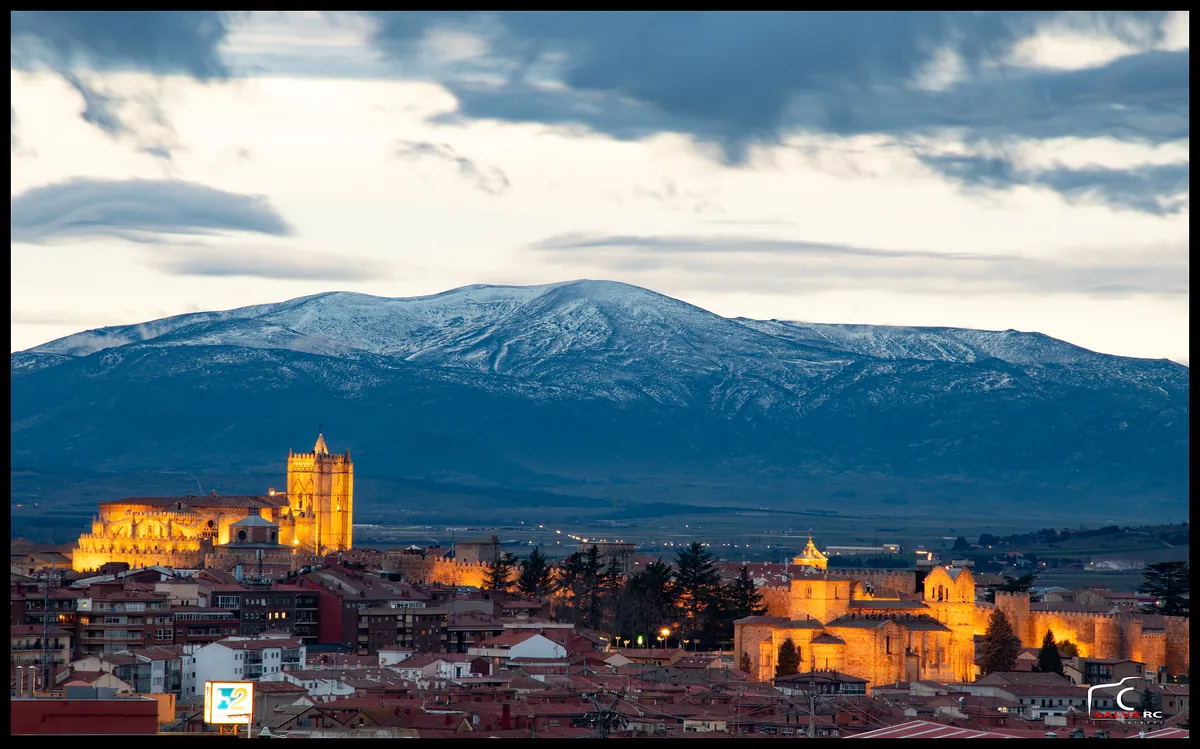
The stone houses appear first, scattered across the plateau like dice thrown by a giant. Then the church tower emerges, and finally the medieval walls that once marked the frontier between kingdoms. La Puebla de Arganzón sits at 567 metres above sea level, high enough to catch the breeze that carries the scent of cereal fields and distant Atlantic weather systems. This isn't a village that screams for attention—it's one that waits patiently to be discovered by those willing to turn off the A-1 motorway twenty minutes south of Miranda de Ebro.
The Border That Shaped Everything
Walk the perimeter of the old town and you'll tread the invisible line where Castile once ended and the Basque Country began. The river Zadorra, just a five-minute stroll from the centre, still marks the regional boundary. Listen carefully in the bars and you'll catch the shift between Castilian Spanish and the occasional Basque greeting—a linguistic reminder that this has always been a place of passage, negotiation, and mixed identities.
The town's strategic position explains its survival. While other villages in Burgos province have hollowed out, La Puebla's population of 5,000 holds steady. It's close enough to Miranda de Ebro's industrial belt to provide employment, yet distant enough to maintain its rural character. The result is a working community rather than a museum piece, where tractors share the streets with elderly locals walking to the bakery for morning bread.
What You'll Find (And What You Won't)
The parish church dominates the main square, its weathered stone walls testimony to centuries of frontier life. Inside, the atmosphere is cool and quiet, the air thick with incense and history. The building won't feature in architectural textbooks, but it represents something more valuable: continuity. Generations of Pueblans have been baptised, married, and buried here, creating a thread that connects medieval traders to modern commuters.
The streets themselves are the real attraction. Narrow lanes lined with stone and adobe houses open unexpectedly into small plazas where locals gather at dusk. There's no souvenir tat, no overpriced restaurants with English menus, no tour groups following raised umbrellas. Instead, you'll find the baker closing shop at 2pm sharp, the bar owner who remembers how his grandfather sold wine to muleteers, and the elderly woman who insists on showing visitors the best angle for photographing the medieval bridge.
That bridge—Puente de San Miguel—deserves the attention. Built in the 13th century, its three arches span the Zadorra with the confidence of something that has seen civil wars, floods, and the gradual shift from medieval trade route to modern backwater. Stand on its worn stones at sunset and watch the light catch the water below. It's worth the slight detour from the town centre, though bring a torch if you plan to linger; there's no street lighting along the river path.
The Rhythm of Rural Life
Time your visit wrong and you'll discover the town's complete shutdown between 2pm and 5:30pm. Everything closes—the bakery, the bars, even the cash machine seems to doze off. This isn't awkward scheduling; it's the siesta observed properly, the rhythm that governed life before smartphones and 24-hour culture. Plan accordingly. Lunch early, stock up on water, and use the quiet hours to walk the agricultural tracks that radiate from the town.
These paths offer gentle walking rather than serious hiking. The landscape rolls rather than soars, typical of the transitional zone between Castile's high plateau and the Basque Country's greener hills. Follow the signs for the Zadorra river and you'll pass through wheat fields and olive groves, the trail marked by white stones and the occasional stone hut used for storing tools. In spring, the fields blaze yellow with rapeseed; by July, they've turned golden-brown under the fierce Castilian sun.
The altitude—higher than you'd expect for somewhere so far inland—brings surprisingly fresh evenings even in midsummer. Nights can be cool enough to need a jumper, while winter brings proper cold and occasional snow. The town's position makes it a viable year-round destination, though access becomes trickier in heavy snow. The N-124 from Miranda de Ebro is usually cleared quickly, but the minor roads to surrounding villages can become impassable.
Eating and Drinking (Without the Tourist Mark-Up)
The local cuisine reflects the town's position on the Castilian-Basque fault line. In the bar on Plaza Mayor, the menú del día costs €12 and arrives without ceremony: thick vegetable soup followed by tender lamb, pudding, and a carafe of local wine that costs less than bottled water in London. The morcilla (blood sausage) comes from Burgos province, famous throughout Spain for its rice-filled version. Order it grilled and watch the locals crumble it onto bread with the focused attention of people who've eaten this way since childhood.
The queso de Burgos deserves special mention. Fresh, mild, and ricotta-like, it appears on toast drizzled with honey—a simple combination that explains why Spanish cuisine rarely needs complication. Pair it with a glass of local cider, sweeter and lower in alcohol than the Basque variety, and you'll understand why lunch here stretches to two hours without anyone checking their watch.
For something more substantial, the chuletón (T-bone steak) serves two normal appetites or one serious carnivore. The meat comes from local cattle, and the cooking follows Castilian tradition: charred outside, barely cooked within. Ask for it rare and expect medium; this isn't a place that caters to timid palates.
Practicalities for the Independent Traveller
Getting here requires a car. The nearest airports are Bilbao (55 minutes drive) or Vitoria (35 minutes), both served by budget airlines from London and Manchester. Hire cars are available at both airports, though book ahead for summer weekends. The drive itself is straightforward: A-68 to Miranda de Ebro, then N-124 south for fifteen minutes until signs point right to La Puebla.
Parking is simple: leave the car outside the medieval walls and walk in. The old town gates are too narrow for modern vehicles, a fact discovered too late by several rental-car drivers whose insurance claims must make interesting reading. Once inside, everything is within ten minutes' walk, though the cobblestones demand sensible footwear.
Accommodation is limited to a couple of small guesthouses and the occasional rural cottage rental. Most visitors stay in Miranda de Ebro, ten kilometres north, but this misses the point. The town's appeal lies in its evening atmosphere, when day-trippers have left and locals reclaim their streets. Stay overnight and you'll experience something increasingly rare in modern Europe: a place that exists primarily for its inhabitants, not its visitors.
Sunday brings complete shutdown. Fill up with fuel on Saturday, withdraw cash before the ATM goes offline, and plan on self-catering breakfast unless you've booked accommodation that includes it. This isn't inconvenient; it's authentic. The town belongs to its residents on Sundays, and visitors are temporary guests in their ongoing story.
La Puebla de Arganzón won't change your life. It doesn't offer Instagram moments or bucket-list experiences. Instead, it provides something more valuable: a glimpse into how rural Spain functioned before tourism, a place where medieval walls still matter and where the border between Castile and the Basque Country remains more than an administrative line on a map. Come for lunch, stay for sunset, and leave before the church bell tolls nine. The town will still be here, living its quiet rhythm, long after you've returned to motorway coffee and airport queues.