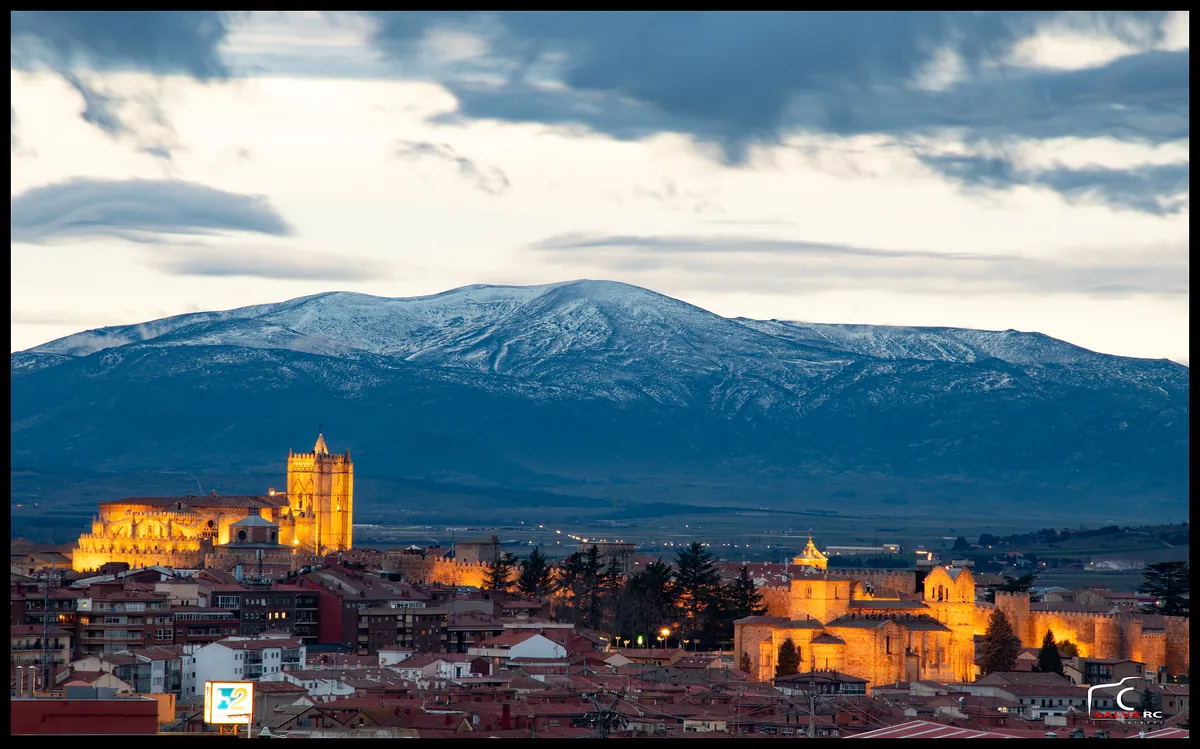
Vista aérea de San Esteban de los Patos
Instituto Geográfico Nacional · CC-BY 4.0 scne.es
Castilla y León · Cradle of Kingdoms

San Esteban de los Patos

The church bell strikes noon, yet nobody appears. Not a single soul emerges from the stone houses huddled around San Esteban's modest plaza. At 1,1...

19 inhabitants · INE 2025
1117m Altitude

Why Visit

Mountain Church of San Esteban Walks

Best Time to Visit

summer

San Esteban Festival (August) agosto

Things to See & Do
in San Esteban de los Patos

Heritage

  • Church of San Esteban
  • Rural setting

Activities

  • Walks
  • Visit to Ávila

Festivals
& & Traditions

Fecha agosto

Fiestas de San Esteban (agosto)

Las fiestas locales son el momento perfecto para vivir la autenticidad de San Esteban de los Patos.

Full Article
about San Esteban de los Patos

One of the smallest towns; near Ávila and Mingorría

Ocultar artículo Leer artículo completo

The church bell strikes noon, yet nobody appears. Not a single soul emerges from the stone houses huddled around San Esteban's modest plaza. At 1,117 metres above sea level, this tiny Avila village has perfected the art of disappearing—its population of twenty souls scattered across fields so vast that voices carry for kilometres when someone actually speaks.

The Geography of Absence

Drive forty minutes southwest from Ávila city and the landscape begins to flatten. Wheat fields stretch to every horizon, broken only by the occasional holm oak standing sentinel. San Esteban de los Patos materialises gradually: first the church tower, then a cluster of grey stone roofs, finally the entire village assembling itself from the golden stubble like a photograph developing in slow motion.

The name itself raises questions. Ducks? Here? Local tradition suggests migratory birds once stopped at seasonal lakes that vanished centuries ago, leaving only their name etched into municipal records. It's fitting somehow—this place remembers things that no longer exist. Walk the single main street and evidence accumulates: houses with doors permanently shut, windows boarded against weather that's already inside, gardens where lilacs bloom unattended because the gardener died decades back.

What Remains When Everyone Leaves

The Church of San Esteban Protomártir anchors everything. Built from local stone and rough mortar, its squat tower served as waymark for travellers crossing these empty plains when travelling meant something different. Inside, the air smells of incense and centuries. The altar cloth needs replacing. Candles burn for people who'll never return to light them.

Around the church, perhaps thirty homes form a loose circle. Some retain their original wooden doors, ironwork blackened by two hundred Castilian winters. Others show fresh paint—weekend houses for families from Madrid who arrive Friday evenings, close the shutters tight, drive away Sunday night. The rhythm feels familiar across rural Spain: locals leaving, outsiders arriving, nobody quite staying.

Peer through windows and life reveals itself in layers. A kitchen table set for four, plates bearing the pattern someone's grandmother chose in 1953. Religious calendars stopped at June 2019. A coat still hanging behind the door, waiting for shoulders that turned to dust years back. These aren't abandoned buildings—they're paused lives, residences caught between memory and forgetting.

Walking Into Nothing

The real attraction here requires walking boots and patience. Paths radiate from the village like spokes, farm tracks that dissolve into fields after half a kilometre. No signposts point the way. No fellow hikers appear around bends. Just wheat, oats, and those scattered oaks providing islands of shade in a sea of gold.

Early morning walks prove most rewarding. Mist clings to depressions between fields, creating temporary lakes where none exist. Stonechat birds perch on thistle heads, calling in sharp bursts that carry across the emptiness. Red kites circle overhead, riding thermals that rise from sun-warmed earth. The silence isn't complete—grasshoppers saw away, wind rattles dried seed heads—but it's substantial enough to make mobile phone reception feel intrusive.

Autumn brings mushroom hunters, though locals view outsiders with suspicion worthy of protecting state secrets. The rules remain unwritten: stick to public paths, close every gate, never ask directions to productive areas. Chanterelles and horn of plenty hide beneath oak leaf litter, rewards for those who've learned to read the land's subtle signs.

Night Falls Without Ceremony

As darkness approaches, the village transforms. Street lighting consists of four lamps that flicker on at dusk, creating pools of orange between buildings that feel theatrical, staged. Without light pollution, stars arrive suddenly—the Milky Way thrown across black sky like spilled sugar. Shooting stars appear every few minutes. Satellites track steadily overhead, mechanical intruders in this ancient darkness.

The nearest bar stands fifteen kilometres away in Burgohondo. The closest restaurant requires driving to Navalosa, twenty-five minutes through winding roads where wild boar emerge at dusk. Planning becomes essential. Fill the hired car with supplies in Ávila before arrival. Bring cash—nobody accepts cards in villages that barely accept visitors.

Practicalities for the Curious

Accommodation options cluster around converted farm buildings. La Espiga offers underfloor heating and hot tubs for £120 nightly, though its booking calendar fills weekends months ahead. La Rinconera provides mountain views from former grain stores at £90, with English-speaking owners who understand British expectations about coffee strength and breakfast timing. Both require minimum two-night stays—single nights barely allow adjustment to the silence.

Getting here demands commitment. Madrid's Barajas airport sits ninety minutes away via rental car. Public transport proves impossible: buses reach Burgohondo twice daily, leaving visitors stranded thirteen kilometres short. Taxis refuse these rural runs without pre-booking and significant surcharges. The village sits beyond Uber's reach, outside Google's detailed mapping, past where mobile signals feel reliable.

Winter visits bring complications. At this altitude, snow arrives suddenly in January, blocking roads for days. Temperatures drop below minus ten. Heating costs triple utility bills that locals already struggle to pay. Summer offers easier conditions but brings little relief—temperatures exceed thirty-five degrees, shade remains scarce, and the single village fountain dried up during last year's drought.

The Weight of Staying Still

San Esteban de los Patos offers no souvenir shops, no guided tours, no tasting menus celebrating local terroir. What it provides instead feels increasingly precious: permission to stop. Sit on the church steps long enough and internal chatter begins quieting. The landscape's horizontal lines recalibrate vertical urban thinking. Time operates differently when nothing demands attention beyond the next harvest, the next rainfall, the next season that might bring someone back to stay.

This village won't suit everyone. Those seeking Instagram moments leave disappointed. Travellers requiring constant stimulation find boredom arrives quickly, followed by something more uncomfortable—the realisation that emptiness reflects back whatever you bring. The experience rewards patience and punishes hurry.

Drive away at dusk and San Esteban de los Patos dissolves behind, shrinking to a smudge on the horizon. The silence follows for kilometres, a passenger reminding that some places exist beyond tourism's reach, beyond even time's apparent progression. They simply persist, waiting for visitors willing to listen to what twenty people and infinite wheat fields have to say about endurance, about choosing to remain when leaving seems easier, about the strange comfort found in places the world forgot to change.

Key Facts

Region
Castilla y León
District
Ávila
INE Code
05206
Coast
No
Mountain
Yes
Season
summer

Livability & Services

Key data for living or remote work

2024
TransportTrain nearby
HealthcareHospital 6 km away
Housing~5€/m² rent · Affordable
January Climate3.5°C avg
Sources: INE, CNMC, Ministry of Health, AEMET

Planning Your Visit?

Discover more villages in the Ávila.

View full region →

More villages in Ávila

Traveler Reviews