Full Article
about San Millan De Lara
Ocultar artículo Leer artículo completo
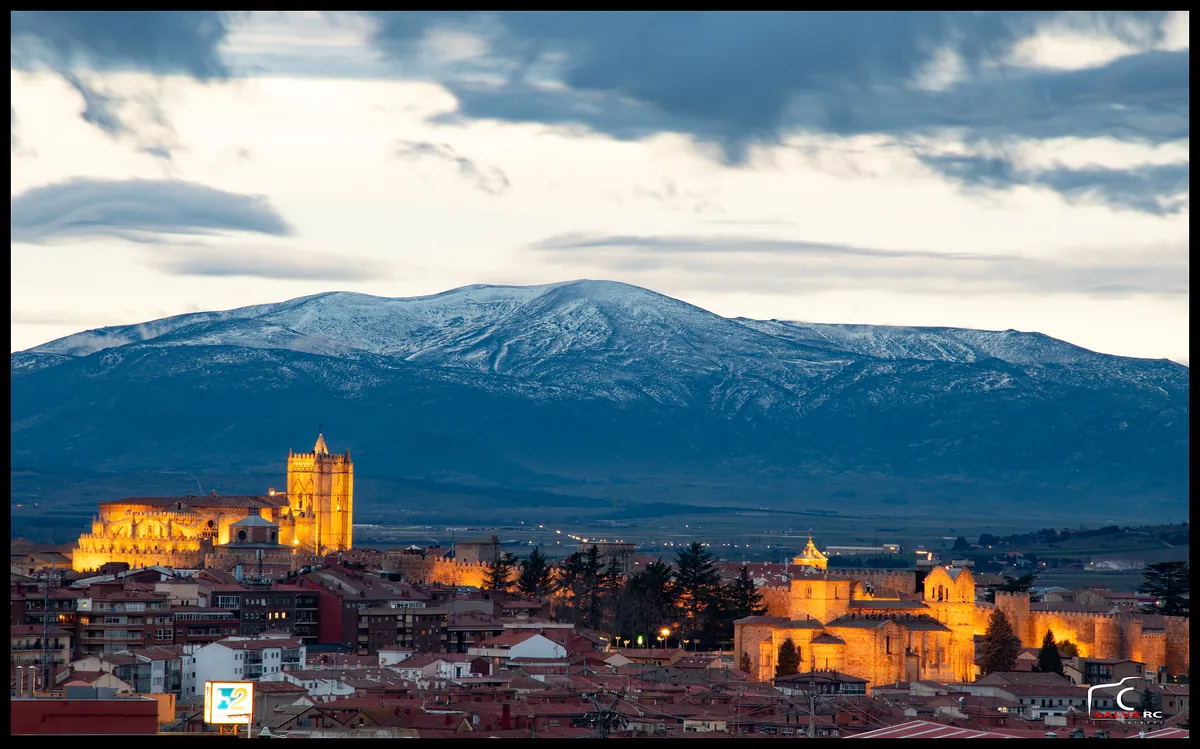
The church bell strikes noon and nobody appears. A single swallow wheels above the stone roofs, then the village drops back into its default soundtrack: wind combing through oak scrub, a tractor two fields away, your own pulse in your ears. At 1,100 m on the northern flank of the Sierra de la Demanda, San Millán de Lara is small enough—about eighty permanent residents—that quiet feels like an extra parishioner.
A tenth-century lesson in brick and light
Five minutes up a stony track, the Ermita de Santa Cecilia squats on a brow of grass like a child’s drawing of a fort: tiny, rectangular, unadorned. Built in 930 AD, it is one of the best-preserved Mozarabic chapels in Spain, a style Christians kept alive under Muslim rule further south and then exported north. The doorway is barely five foot high; stoop and you’ll spot the original stone cross still sharp after eleven centuries. Inside, candle smoke has seasoned the air; fragments of ochre fresco cling to the apse. There is no ticket desk, no rope barrier—just a wrought-iron key kept by the lady in the third house on the left. Ask politely and she’ll accompany you, switching on one bare bulb that makes the pigments flare like embers.
Back in the village proper, the later parish church of San Millán feels almost oversized. Its sandstone tower is the reference point for anyone wandering the single main street, a five-minute stroll door to door. Look out for the 17th-century manor with the cracked coat of arms above the door; the iron balcony where beans are dried in September; the stone bench outside the bar where old men sit at angles that suggest they grew out of the rock.
Walking without way-markers
Three rough tracks leave the last houses and climb into the Sierra de la Demanda. None are graded, sign-posted or gift-shopped—just centuries-old driftways used by shepherds moving cattle up to summer pasture. Follow the middle fork and after forty minutes the beeches give way to open pastureland that looks across to the 2,000 m ridge of San Millán’s “proper” mountains. Add another hour and you reach the Puerto del Manquillo, a windswept notch where snow can lie until May. In July the heat on the exposed limestone can top 35 °C; start early, carry more water than you think necessary and accept that shade is rationed.
The same paths double as snow-shoe routes in winter. When the BV-820 is white from Salas de los Infantes upwards, the final 12 km can require chains—even a 4×4 if the wind drifts. Book accommodation ahead; owners will tell you honestly whether the road was gritted that morning. If it was not, settle in by the fire and watch the sierra turn peach at sunset. The village has no ski infrastructure, which keeps day-trippers away and the snow eerily trackless.
Eating when the chimneys smoke
There are two places serving food: the bar attached to the grocery and Casa Paco on the square. Both open only when locals feel hungry—roughly 08:30-10:30 for coffee and churros, 14:00-16:00 for lunch, 20:30-22:00 for dinner. Turn up outside those slots and the shutters stay down. The menu is written in chalk and repeats mountain clichés only in the best sense: judiones de La Granja beans the size of golf balls, roast suckling lamb that collapses at the touch of a fork, and a beef chuletón weighing a kilo—intended for two but routinely conquered by solitary farmers. Vegetarians get patatas a la importancia, saffron-crisped potatoes that arrive hissing in earthenware, plus whatever wild mushrooms arrived that morning.
House wine comes from the Neila valley twenty minutes east: young Tempranillo served in plain glasses, fruity enough to drink cool and forget the altitude. Finish with queso de oveja curado, milder than Manchego and usually drizzled with local honey if you ask. Expect to pay €16-18 for a three-course menú del día, coffee included—cash only, no card machine.
When the fiesta breaks the silence
For fifty weekends a year the village is a hush of boot soles and distant dogs. The exception is the fiesta de San Millán, held around the first Sunday of September. Emigrants return from Bilbao and Barcelona; the population quadruples overnight. A brass band sets up in the square, children chase through archways draped with coloured bulbs, and the smell of sizzling chorizo drifts into the small hours. The religious part—a procession, drums, statue of the saint carried shoulder-high—lasts two hours; the drinking and storytelling stretches three days. Visitors are welcome but beds vanish fast; book a room in Salas de los Infantes if you want to join the party and still sleep.
Late January brings the feast of Santa Cecilia at the chapel. Numbers are smaller—perhaps forty people trekking up through crusted snow with thermoses of coffee and anoraks over their Sunday best. Afterwards the priest hands out anisette and polvorones while boots steam against the ancient walls. It feels less like organised tourism, more like stumbling into someone’s family reunion.
Getting there—and why you really need wheels
The nearest railway station is Burgos-Rosa de Lima, 55 km away on the Madrid–Irún line. From there a twice-daily bus reaches Salas de los Infantes, 25 km short of the village, but the connecting taxi must be booked a day ahead and costs €40 each way. In short, if you can’t drive, you can’t holiday here. Hire cars are available at Bilbao and Santander airports—both under three hours from London. Allow 2 h 15 min from Bilbao on the A-1, last 40 km on the BU-820 mountain road where fuel stations close at 20:00 and ATMs disappear altogether. Download offline maps before the phone signal fizzles out among the pines.
The bottom line
San Millán de Lara will not dazzle with museums, nightlife or souvenir tat. It offers instead the rare sensation of altitude without crowds: oak forests you can walk through alone, stone houses that have forgotten how to shout, and a tenth-century chapel whose key still lives next door. Come for the silence, the stars, and the lamb. Come prepared—Spanish helps, boots are essential, and weather can swing twenty degrees between sun-up and sundown. If that sounds like work, pick the coast. If it sounds like breathing space, head uphill.