Full Article
about San Vicente Del Valle
Ocultar artículo Leer artículo completo
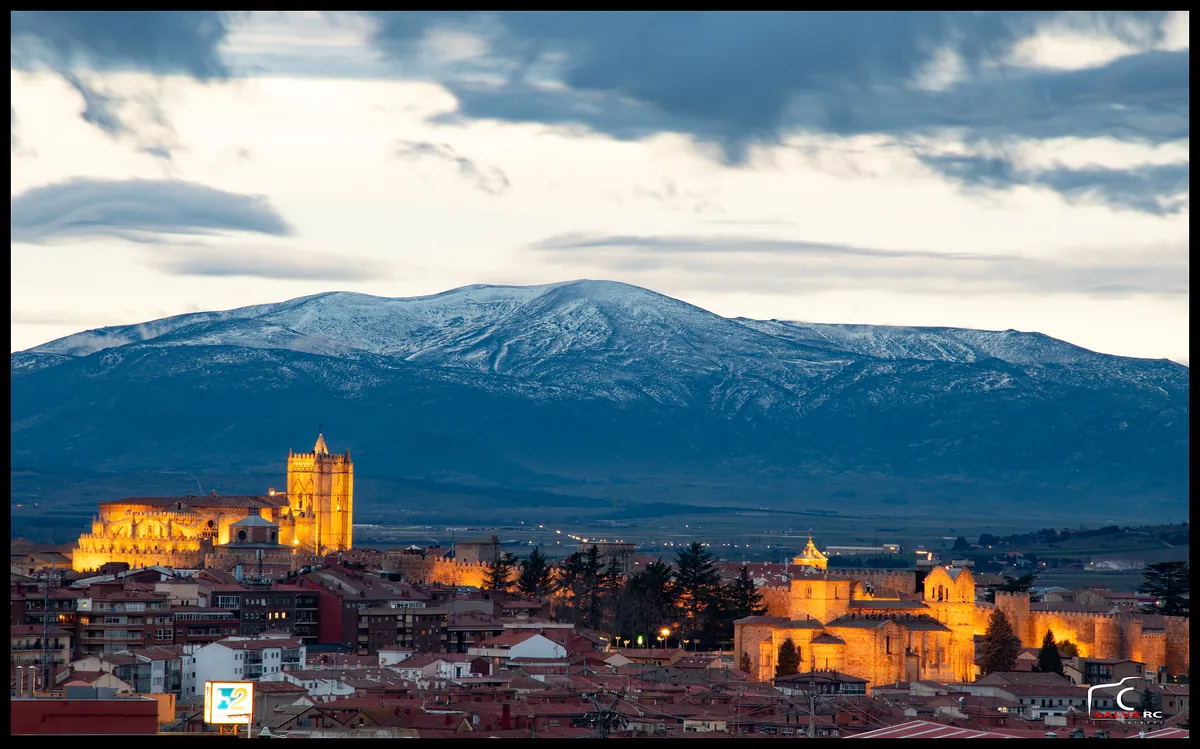
The church bell strikes noon, yet only two cars sit outside Bar Aranda in neighbouring Barrios de Colina. Three kilometres away across wheat stubble, San Vicente del Valle is already quieter. No cafés, no petrol station, not even a vending machine—just stone houses shoulder-to-shoulder, a single road in, and a horizon that feels higher than the village itself. This is the Burgos interior where guidebooks run out of adjectives, and that is precisely the point.
A Plateau that Remembers the Sea
At 985 m, San Vicente sits on the last ripple of the Sierra de la Demanda before the land tips towards the Duero valley. The Meseta’s continental bite is softened only by altitude: July nights can drop to 12 °C, while January hovers around freezing. Bring a fleece even in August; morning mist often lingers until the sun clears the oaks on Monte San Millán. Rainfall is meagre—barely 500 mm a year—so the cereal fields that circle the village flash from emerald in April to parchment gold by late June, a colour shift photographers chase but never quite capture on a phone.
There is no coast here, yet the landscape feels tidal. Waves of grain replace water, harvested stubbles rolling like neap tides before the next ploughing. On still evenings the air smells of warm straw and wild thyme rather than salt, but the same big sky you find on Atlantic breakers stretches uninterrupted from plough line to plough line.
Stone, Brick and Whatever Came to Hand
The Iglesia de San Vicente Mártir squats at the village’s highest point, its squat tower more lookout than spire. Begun in the 12th century, patched in the 16th, re-roofed after the 1975 storm, it is a lesson in rural pragmatism: limestone where available, brick where cheaper, a Renaissance portal grafted onto a Romanesque nave like a grafted apple tree. The south door is usually unlocked; inside, the nave is cool and faintly smoky from centuries of candle wax. Look for the 14th-century font carved with a rope motif—local masons copying sailors’ knots they had never seen.
Below the church, lanes are barely two donkeys wide. Houses grow from the rock: lower courses of honey-coloured limestone, upper walls of brick the colour of burnt toast, roof tiles wavy enough to be medieval. Many are empty; some have plastic sheeting where balconies once hung. It is dilapidation without romance, yet the honesty is refreshing after prettier, pricier villages. One inhabited cottage flies the burgundy-and-yellow Castile flag from a wrought-iron balcony; geraniums provide the only primary colour.
Walking Without Waymarks
San Vicente makes no pretence of being a trail centre, which is why hikers like it. A farm track drops south-east 6 km to Barrios de Colina, contouring across fields of larkspur and poppies. Another climbs 250 m through holm oak to the ruins of Ermita de San Millán, where the patron’s medieval feast still flickers each July with a mass and picnic carried up the hill. From the chapel threshold the view stretches 40 km to the pink bluffs of Miranda de Ebro; vultures turn lazy circles above, riding the same thermals that once lifted Roman signal fires.
Maps are essential: signs vanish at field edges, and farmers drive pickups fast on dusty tracks. The IGN 1:50,000 sheet “Miranda de Ebro / Haro” (sheet 25) covers the area; download the free Mapa Topo de España to a phone before leaving Burgos—4G is patchy once you drop into the valley.
Food that Forgets Fashion
Expect no brunch. San Vicente’s last shop closed in 2008; the nearest bread is 11 km away in Barrios de Colina, where Panadería Navarro opens at 07:30 and sells out of mollete rolls by 09:00. Locals still keep chickens and pigs; if you are renting a cottage, the morning soundtrack is hens and the occasional hunting dog tuned to wild-boar frequency.
For eating out, the choice is Bar Aranda (weekday menú del día €12, three courses, wine included). Starters run to judiones—buttery butter beans with chorizo—followed by lechal suckling lamb roasted in a wood-fired clay oven built in 1947. Vegetarians get tortilla de patata or roasted red peppers; vegans should pack sandwiches. Weekend service stops dead if the owner’s granddaughter has a football match; phone +34 947 550 014 before making the trip.
Bring mushrooms only if you know boletus from toadstool. October brings locals armed with knives and grandmothers’ lore; hospital A&E in Burgos fills every year with over-keen visitors who misread a gills diagram.
Beds in Barns, Not Bunkhouses
Accommodation totals two self-catering houses. La Casa de Enmedio (sleeps 4, from £70 a night) sits on the western edge, its garden fence literally the village boundary. Marina, the owner, speaks fluent English after twenty years in Manchester and stocks the kitchen with Earl Grey for nostalgic Brits. Reviews praise her homemade walnut cake and the silence—broken only by cowbells drifting across the valley at milking time.
Villa Flavina (sleeps 6, from £90) is a 200-year-old manor once owned by minor nobility; Gregorio, the Dutch-speaking host, has restored beams and original bread oven but added under-floor heating. Both properties include firewood piles the size of small cars—nights cool fast once the sun drops behind the Sierra.
There is no hotel, no pool, no yoga retreat. Booking ahead is obligatory; cancellations leave you a 45-minute drive to the nearest hostel in Salas de los Infantes.
Getting There, Getting Out
Burgos city is the gateway. From the UK, Ryanair flies Stansted–Burgos twice weekly (March–October); otherwise Bilbao is 90 minutes by car on the A-68. Hire cars are essential—public transport stops at Barrios de Colina, 11 km short, with one bus a day from Burgos at 14:15, returning at 06:50. Roads are decent but narrow: the last 8 km from the N-232 twist through wheat fields where tractors claim the crown of the tarmac. In winter, shaded corners ice over; carry chains if travelling December–February.
Fill the tank before leaving Burgos—village petrol stations have followed the shops into extinction.
When Silence is the Selling Point
August fiestas swell the population to maybe 120. A brass band plays Saturday night, fireworks fizz for ten minutes, and by Monday the place empties again. Spring and early autumn are kinder: daylight is soft, thermals mean fewer flies, and the only queue is behind a tractor at the single zebra crossing. Winter brings snow every couple of years; photographs look Alpine, but access becomes a lottery. April and October offer 20 °C afternoons, zero crowds, and the chance to walk all day meeting more roe deer than humans.
Leave the village before nightfall if you are day-tripping—street lighting is ornamental at best, and the lane back to the main road has a 200 m drop unguarded by barrier. Drive like a local: headlights on full, speed low, radio off so you hear the engine labour on the climbs.
San Vicente del Valle will not change your life. It will not even change your Instagram grid if you forget the wide-angle lens. What it offers is a calibration point: a place where the loudest noise is your own breathing and the most pressing decision is whether to light the fire before or after supper. Come prepared, come quietly, and the plateau will return the favour.