Full Article
about Santa Cruz Del Valle Urbion
Ocultar artículo Leer artículo completo
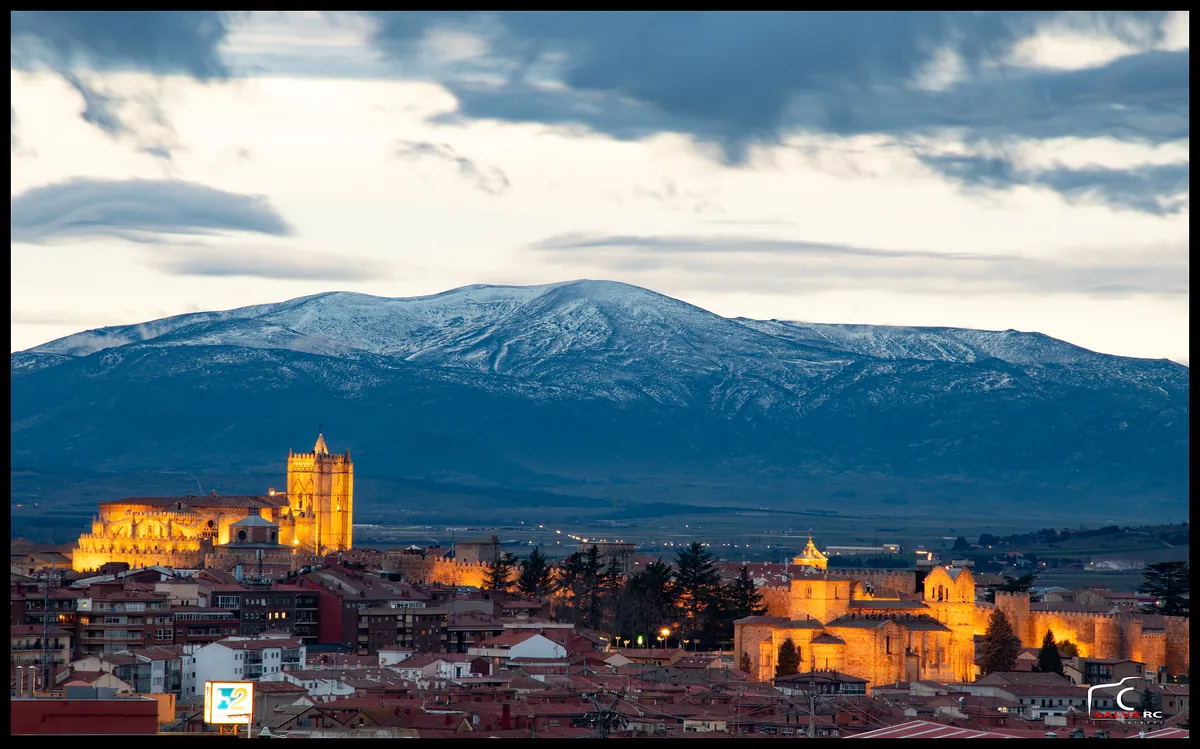
The church bell strikes noon and the only other sound is a tractor bouncing across cracked earth. At 1,100 metres above sea level, Santa Cruz del Valle Urbión sits high enough for the air to feel thin, yet low enough for wheat still to grow. This is the edge of the Meseta, the moment the plateau tilts upward toward the Sierra de Urbión and the Duero, Spain’s most wine-famous river, is still a shy trickle somewhere among the pines.
Most maps miss the village altogether; the A-1 motorway barrels past 40 km to the east, Madrid–Burgos coaches don’t stop, and even the regional road CL-117 approaches only reluctantly, winding through wheat fields that turn from emerald in April to bronze by late June. Arriving feels like slipping through a crack in modern Spain. Mobile signal flickers between three bars and none. The bakery opens when the owner hears the first customer kick the metal shutter. Bread costs €1.20; if you want it, you wait.
Stone houses shoulder the slope above the arroyo, their timber balconies painted a muted green that photographs grey in the thin light. Roof tiles are held in place with fist-sized stones; winter winds here have been known to gust at 120 km/h. No one wastes colour on facades. The palette is granite, sky, and whatever the fields are doing that month. A single bar, La Parada, doubles as grocery and gossip shop. Inside, a calor-gas heater keeps the temperature at 28 °C year-round; outside tables appear only when the proprietor judges the sun strong enough to risk it. Coffee is €1.30, poured from a glass jug that has boiled on the hob since 1987. They do not serve decaf.
Walking the Harvest Lines
Footpaths radiate from the top of the village like spokes from a broken wheel. None are way-marked; instead you follow the stone-lined lanes that tractors use to reach the parcelas. After ten minutes the wheat gives way to holm-oak scrub and the track narrows to a single-lane holloway sunk two metres into the limestone. Buzzards turn overhead, riding thermals that rise from the cereal sea below. An hour’s steady climb brings you to the Puerto de Santa Inés (1,450 m) where Cantabrian air meets Castilian, and the temperature drops five degrees in as many minutes. From here you can see the white salt-pan glare of the cereal belt stretching south to Valladolid; north, the pine-dark wall of the Urbión massif is already in Leon province.
Maps suggest a circular route back via Valdeprado, but the path exists only on paper. Locals advise “sigue el cable” – keep the power line on your left and you’ll hit tarmac eventually. It works, though the descent is through a boulder field of broken grey rock that eats boot leather. Allow three hours door to door, carry a litre of water per person; the only fountain is in the village square and even that runs dry in August.
Spring arrives late. Snow can fall in April; by May the fields erupt with crimson poppies so intense they seem to vibrate. This is the moment to come if you want colour. Autumn is quieter, the stubble burned ochre and the sky a relentless cobalt that hurts the eyes. Summer nights are cold enough for dew to form at 2 a.m.; bring a fleece even in July. Winter is not for casual visitors. The CL-117 is periodically closed when drifts blow across from the Sierra; villagers stockpile firewood in October and hunker down.
Where to Sleep and How to Pay
There is no hotel. The nearest beds are 18 km away in Abejar, a town that calls itself “gateway to the Urbion” and has two hostals of variable cleanliness. Most overnighters use Camping Urbión, a 15-hectare site three kilometres outside Abejar on the SO-20. Pitches are separated by mature pines, sanitation blocks are heated, and the on-site restaurant does a decent cordero al horno for €18. Low-season ACSI discount brings a night with electricity to €25; in August the same pitch is €34. Reception will phone a taxi if you want to visit the village, but the fare is €25 each way – cheaper to hire a car at whatever airport you land.
Fly to Madrid (250 km), Zaragoza (150 km) or Bilbao (200 km); all three drives take between two-and-a-half and three hours on fast toll roads. Car hire is non-negotiable – the last bus to Abejar left in 2011 and the railway was ripped up in 1985. Fuel on the motorway is €1.55/litre; fill up before the final mountain stretch because pumps in the Sierra close on Sundays and public holidays.
Eating Without Show
Santa Cruz itself offers no lunch. The bar opens at 07:00 for bocadillos of chorizo or queso curado (€3) and shutters again at 14:00. Plan to eat in Abejar or drive 25 minutes to Covaleda where Asador Casa Juan grills chuletón over oak at €28 per kilo. Vegetarians should lower expectations: even the ensalada comes topped with shredded jamón. If you are self-catering, stock in Aranda de Duero on the way up – the village shop sells tinned tuna, overripe tomatoes and little else.
Water is another story. The village fountain dispenses agua de monte, snow-melt that locals claim cures liver and heart alike. They arrive with five-litre jerry cans on Saturday mornings; join the queue and you’ll be invited to debate the relative merits of Real Madrid versus Bayern Munich. Politics is avoided; everyone agrees the wheat price is a scandal and the young have left.
Fiestas and the Ex-Pat Vacuum
Fiestas patronales happen around 15 August. There is no programme in English, no tourist office, no wristband selling €12 mojitos. Events consist of a procession behind a brass band, a paella popular cooked in a three-metre pan, and an outdoor disco that stops at 04:00 because the generator overheats. Visitors are welcome but not curated; if you want to join in, buy a €5 ticket for the paella from the woman outside the church at 11 a.m. sharp – when it’s gone, it’s gone.
Do not expect craft stalls or flamenco workshops. This is Spain unplugged, the sort of place the Spanish themselves flee for decades then sentimentalise at retirement. British voices are almost unknown; the last recorded UK residents were two bird-watchers who camped illegally by the river in 2003 and were moved on by the Guardia Civil after setting fire to gorse.
The Honest Verdict
Santa Cruz del Valle Urbión will not change your life. You will leave with more dust on your boots than souvenirs in your bag, and the photographs you took will look bleached and slightly out of focus. What you get instead is calibration: a reminder that maps still contain blank bits, that lunch happens when people are hungry, and that a village can function perfectly well without a website. Come if you need that reminder; stay away if you need flat whites, Wi-Fi and a gift shop. The wheat will ripen regardless.