Full Article
about Santa María del Cubillo
Made up of two settlements; noted for the striking church of Aldeavieja
Ocultar artículo Leer artículo completo
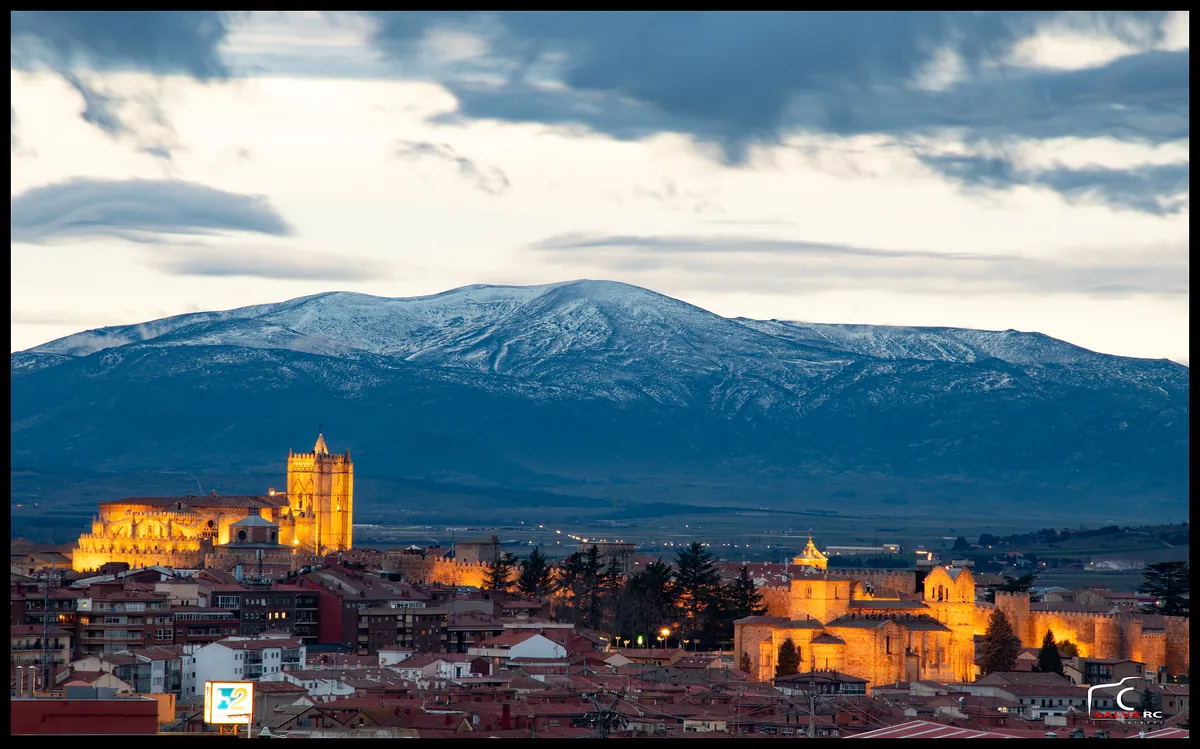
The church bell strikes midday and the only other sound is gravel shifting under your boots. At 1,200 metres above sea level, Santa María del Cubillo doesn’t announce itself—it waits to be noticed. The village spreads across a ridge in the Sierra de Ávila, stone houses shoulder-to-shoulder against a wind that can slice through denim even in May. Below, cereal fields roll east until they meet the oak woods; above, the sky feels oversized, the sort of blue that makes London light seem anaemic.
A village that never learned to whisper
Three hundred-odd residents live here year-round, enough to keep the bakery oven warm and the bar open, but not enough to stop foxes from trotting across the main road at dusk. Granite walls, half a metre thick, insulate bedrooms against July heat and January frost alike. Many still bear the original wooden doors, sun-bleached and warped so that you have to lift before the latch catches. There is no prettified old quarter, no souvenir stripe of souvenir shops—just a working grid of lanes that smell faintly of straw and diesel whenever a tractor lurches through.
The parish church anchors the upper crest. Built in the sober Castilian style—bare stone, a single nave, a tower that leans a finger-width west—it is unlocked most mornings. Inside, the air is cool and smells of candle wax; the altar cloth changes colour with the liturgical calendar, the only splash of drama in an otherwise plain interior. Sunday Mass at eleven doubles as the weekly social diary: livestock prices are compared, birthdays confessed, and if someone’s car needs a jump-start the keys appear before the final hymn.
Walking tracks that remember shepherds
Santa María makes a convenient base for anyone who prefers footpaths to gift shops. A lattice of traditional livestock trails radiates outwards, linking the village to neighbouring hamlets—Villarejo del Valle five kilometres north, Santiago del Collado three west. None are way-marked to British standards; you follow stone cairns, red paint daubs on gateposts, and the confidence that the next shepherd’s hut will have a water trough. Mobile signal drops in and out, so download the IGN 1:25,000 map beforehand or simply ask in the bar—someone’s cousin will sketch directions on a napkin.
Spring brings the kindest walking: green wheat ripples like sea surf, nightingales shout from hawthorns, and the temperature hovers around 18 °C at noon. In summer the landscape turns gold and thorny, the thermometer can touch 30 °C by mid-afternoon, so start early and carry more water than you think decent. Autumn is mushroom season; locals guard their favourite ceps spots the way Berkshire gardeners hide asparagus beds. Winter daylight is short, frost lingers in shadow until lunchtime, and occasional snow drifts across the AV-510—carry a blanket in the hire car from November onwards.
Wildlife watching rewards patience rather than pursuit. Roe deer feed along the field edges at dawn; wild boar rootle after acorns in the holm-oak depressions. Griffon vultures wheel overhead, wings fingered like theatre curtains. Sit still for twenty minutes and the valley starts to move around you.
Food without the theatre
There is no tasting menu, no chef’s interpretation of anything. The bar serves what the owner’s family eats: judías pintas stewed with chorizo from a pig that lived behind the petrol station, beef from an Avileña-Black Iberian cross reared within sight of the church tower, and a slice of cake soaked in anisette if you finish your plate. A set lunch costs €11–€13 and includes wine that arrives in a plain bottle with no label. Vegetarians get eggs—usually scrambled with garlic shoots—while vegans should stock up in Ávila beforehand.
If you rent one of the two village tourist apartments, shop at the Friday market in nearby Arévalo (25 minutes’ drive). Stallholders will sell you a whole wheel of Queso de Ávila for the same price a Borough Bridge deli charges for a sliver. Bread keeps for two days, so buy two loaves and freeze one; the village bakery only fires its wood oven on Tuesdays and Fridays.
Getting here, and why you might turn back
Public transport is skeletal. A weekday bus leaves Ávila at 14:15, reaches Santa María at 15:30, and returns at 07:00 next morning—useful only if you enjoy 16-hour stopovers. The realistic approach is to fly into Madrid, pick up a hire car, and head north-west on the A-6 and AP-51; after 90 minutes you peel off onto the AV-510, a single-carriageway that twists uphill for 18 kilometres. On a wet night the final bend feels like the Scottish Highlands without the crash barriers. In summer the asphalt shimmers and the engine coolant light may blink; pull over, let the car breathe, watch the wheat turn silver in the breeze.
Accommodation is limited. The Barrio Jate house (listed on OwnerDirect) sleeps four, has stone walls a foot thick, and opens onto a lane where sheep outnumber cars. The owners live in Madrid and leave keys in a coded box; Wi-Fi exists but slows to a crawl whenever the wind blows north. Bring slippers—the tiled floors are Arctic at dawn.
When the fiesta reaches the decibels of a city
For eleven months Santa María murmurs; during the third week of August it shouts. The fiestas patronales honour the Virgin Mary with a brass band that rehearses until 02:00, a foam machine in the square, and a paella pan wide enough to bathe a toddler. Returning emigrants swell the population to a thousand; British visitors sometimes mistake the cheerful chaos for Magaluf on the cheap. Earplugs help, and if you crave sleep before 03:00 book somewhere up the hill. The morning after, the square smells of lemon-scented disinfectant and burnt fireworks; by Tuesday the last plastic cup is trapped in a grate and the village resumes its whisper.
Worth the detour?
Santa María del Cubillo will never feature on a “Top Ten” list. It offers space, silence, and a crash course in how Castilian villagers still shape their days around daylight and weather. Come if you are happy to walk without signposts, eat whatever is bubbling on the stove, and swap nightlife for starlight so sharp it feels close enough to snag on a rooftop TV aerial. If that sounds like deprivation rather than liberation, stay on the motorway and head for Salamanca—no one here will mind. The wind will still be talking long after your car disappears round the bend.