Full Article
about Santa Olalla De Bureba
Ocultar artículo Leer artículo completo
The church bell strikes noon, echoing across wheat fields that shimmer like champagne in the 850-metre altitude sun. In Santa Olalla de Bureba, thirty residents pause whatever they're doing—mending a stone wall, watering geraniums on a wooden balcony, arguing over cards in the single bar—and head indoors for lunch. This is not performance for tourists; it's simply how Tuesdays work when your village sits on a Castilian plateau where the nearest traffic light is twenty-five kilometres away.
High-Plateau Living
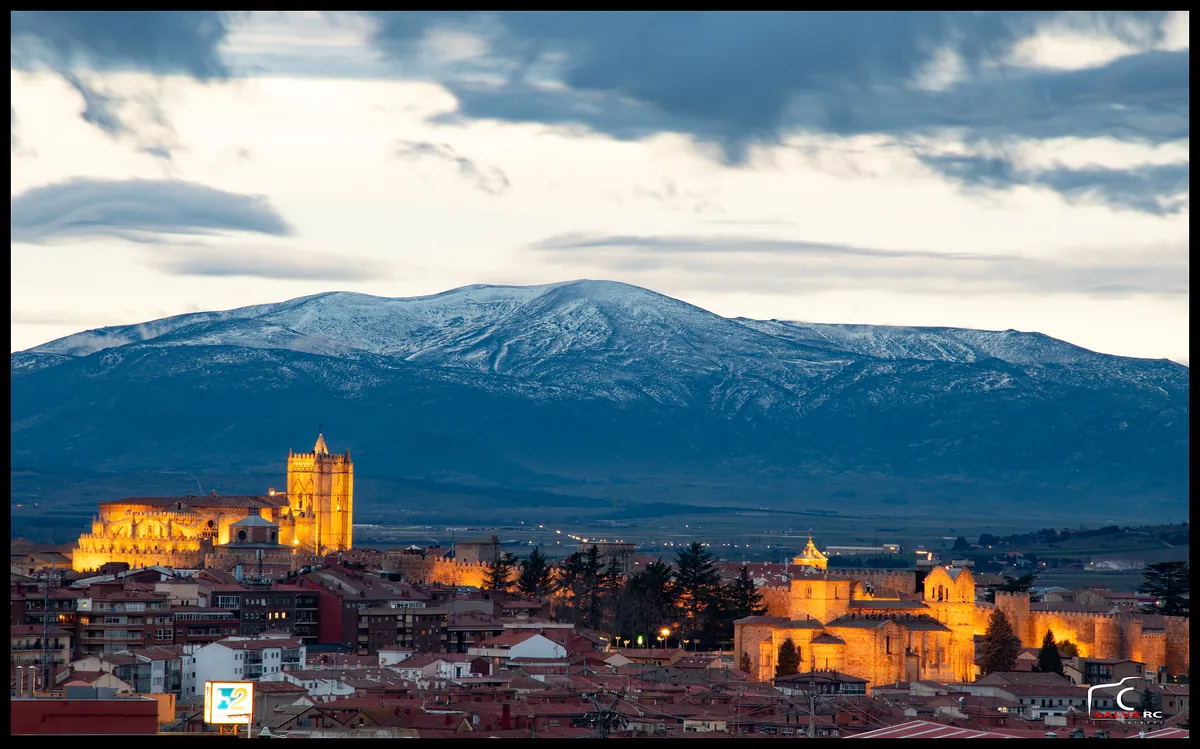
At first glance, Santa Olalla looks stranded between centuries. Adobe walls the colour of digestive biscuits butt against twentieth-century brick additions; storks nest on telegraph poles that lean like tired drunks. The elevation—higher than Ben Nevis's summit—means UV burns skin faster than most British holidaymakers expect. June afternoons feel Mediterranean until a breeze sweeps down from the Cantabrian Mountains and reminds everyone that Burgos province still belongs to the meseta. Nights can dip below –5 °C even in April; Airbnb hosts tuck butane heaters beside the bed and charge extra for gas. Ask before booking.
The village spreads along a low ridge, so every lane ends in horizon. Wheat and barley roll away to the north; southwards, the land fractures into oak-filled gullies that hide red deer and wild boar. Footpaths, originally drove roads for merino sheep, connect Santa Olalla to hamlets such as Quintanavides (2 km) and Vileña (5 km). None of the routes exceeds 150 m of ascent, making them ideal half-day walks for anyone who has forgotten what silence sounds like. Take water—shade arrives only at isolated holm-oak clumps—and download the track beforehand; Vodafone signal vanishes after the first cattle grid.
What Passes for a Centre
There's no plaza mayor, just a widening in the road where the church and the bar face off like elderly neighbours who have run out of gossip. The Iglesia de San Andrés mixes Romanesque bones with later Gothic ribs and a Baroque tower coat that looks hastily applied. The door is usually locked; ring the number taped to the wood and the key-keeper appears in slippers, delighted by the novelty of a foreign visitor. Inside, a sixteenth-century retablo glows with painted terracotta saints whose gilt is flaking like sunburnt skin. Donations go towards a new roof; winter hailstones the size of marbles punched holes last October.
Opposite, Bar Santa Olalla opens whenever owner Marisol isn't at her grandson's football matches. Coffee costs €1.20 if you stand at the counter, €1.50 on the terrace where sparrows hop between tables hoping for crumbs of churros. The menu is written on a chalkboard that changes according to what cousin Pilar brings from Burgos market. Expect chuletón for two (€32), a beef chop the size of a Sunday newspaper, cooked rare unless you specify otherwise. Vegetarians get tortilla—no falafel, no quinoa, no apology. Payment is cash only; the nearest cashpoint is inside a pharmacy twenty minutes away in Briviesca, so fill your wallet before arrival.
Empty Roads, Full Skies
Most visitors treat Santa Olalla as a comma rather than a full stop. Drivers exiting the AP-1 Burgos–Vitoria motorway swing off at kilometre 245, tank up on croissants and petrol, then accelerate towards the coast. That suits the village fine. It leaves the skies to hen harriers and the occasional golden eagle who drifts over from the Obarenes Mountains looking for carrion. Photographers arrive at dawn when dew turns spider webs into necklaces and the cereal stubble glows amber. By ten o'clock the light has flattened and the only movement is a farmer in a white Land Cruiser checking rainfall gauges.
Cyclists following the Camino Olvidado—the "Forgotten Way" to Santiago—appreciate the new municipal albergue on calle Real. Beds cost €10, sheets included, Wi-Fi surprisingly brisk. The stone building used to store grain; now it stores pilgrims' stories. One evening last May, three Manchester teachers compared blister treatments with a Basque truck driver while swallows looped through the rafters. Lights-out is 22:00; the church bell resumes at 07:00. No one complains—this is still Spain's interior rhythm.
Seasons That Make Their Own Rules
Spring arrives late and all at once. Overnight, verges erupt with purple viper's bugloss and farmers sprint to sow barley before the soil dries to dust. By mid-May, day temperatures mimic a British July, but the wind retains bite. Autumn works in reverse: mornings need padded jackets, by lunchtime you're in shirtsleeves photographing scarlet oak copses against platinum skies. Winter empties the landscape. Most second-home owners from Burgos drain their pipes and retreat; only the core thirty stay. If snow blocks the BU-530, the village shops from a mobile van that honks its arrival twice a week. Summer fiestas in August triple the population for forty-eight hours. There's a brass band, a paella cooked in a two-metre pan, and a disco that finishes at 06:00 sharp because the mayor—who doubles as DJ—has livestock to feed. Book accommodation early or sleep in your hire car; every sofa is spoken for.
How to Do It Without Regret (or Hunger)
Base yourself here only if you enjoy self-catering and your own company. Stock up in Briviesca's Mercadona before the final climb; Santa Olalla's lone shop closed in 2018. Hire a car—Burgos railway station is 35 minutes away on the A-1, but buses no longer call at the junction. Expect English to be non-existent; downloading Google Translate's Spanish offline file saves embarrassment when asking for toilet paper at the bar. Bring binoculars, SPF 50, and a fleece whatever the month. Accept that some days nothing happens except cloud shadows drifting across the grain like slow-motion searchlights. In an age of timed entries and influencer queues, that is precisely the point. When you're ready to leave, the road south dips through sandstone gorges towards Ribera del Duero vineyards where civilisation—coffee chains, roundabouts, phone signal—returns with almost indecent haste. Santa Olalla will be back to thirty souls and a lunchtime bell, indifferent and intact.