Full Article
about Torre Del Valle La
Ocultar artículo Leer artículo completo
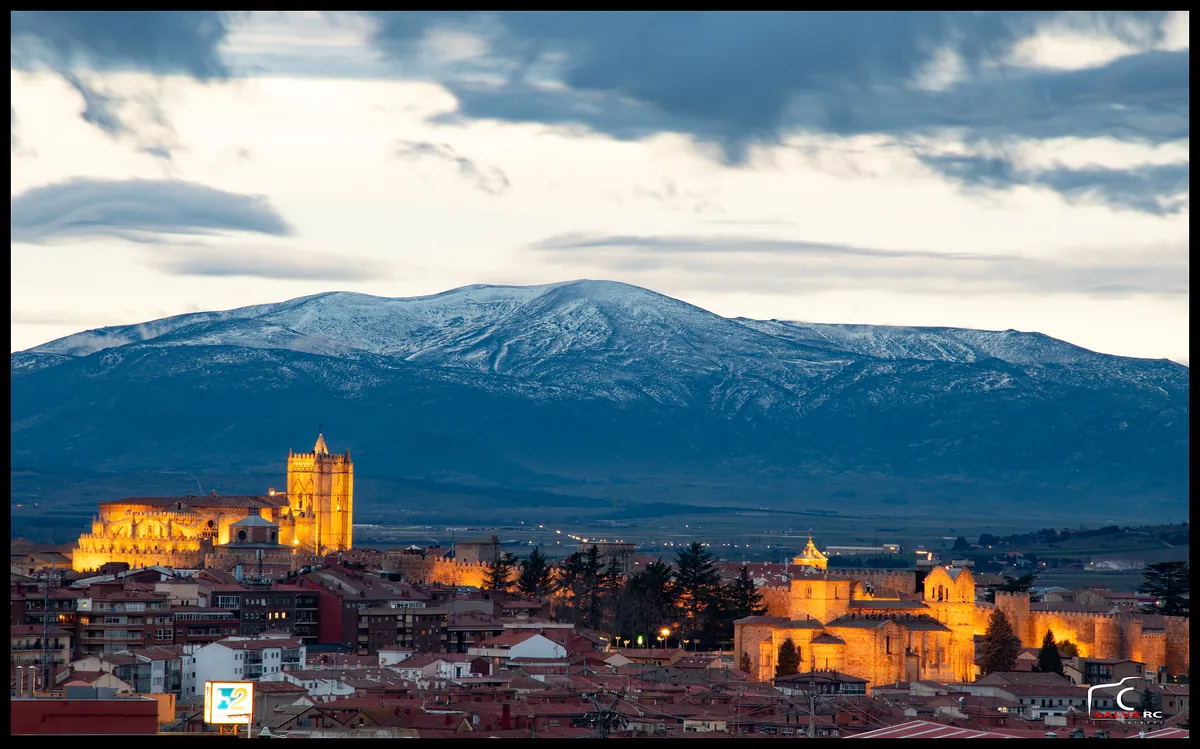
The church bell tower appears first, a stone compass rising 740 metres above sea level where the Castilian plateau starts its gentle roll towards Portugal. From the Zamora road, Torre del Valle presents itself as a single vertical punctuation mark against horizontal wheat fields that stretch until geography itself seems to surrender to sky.
This is not a village that announces itself with drama. At 5,000 inhabitants, it's large enough to sustain a bakery, a primary school, and Saturday morning conversations outside the only bar, yet small enough that the agricultural co-op's grain silos still dominate the southern approach. The houses—stone below, adobe above, terracotta tiles weathered to the colour of winter wheat—follow the subtle contours of a limestone outcrop that provides natural drainage and, more importantly, elevation from the frost pockets that plague lower settlements.
The Architecture of Survival
Every building here speaks of thermal regulation. Walls measure sixty centimetres thick, windows face south-east to capture winter sun while avoiding the brutal afternoon heat of July and August. The older homes incorporate bodegas subterráneas—cellars dug three metres into the rock where temperatures hold steady at 12°C year-round. These weren't built for wine tourism; they existed because refrigeration arrived late to Spain's interior, and because a sheep's milk cheese needs somewhere cool to cure when outside temperatures regularly exceed 35°C.
The parish church of Nuestra Señora de la Asunción demonstrates the same pragmatic approach to climate. Its twelfth-century foundations support a barrel-vaulted nave that remains cool even during the fiercest August afternoon. The tower, rebuilt in 1787 after a lightning strike, houses six bells cast in nearby Alcántara. The largest, weighing 480 kilograms, tolls at 7:00 pm daily—a sonic marker that carries across the cereal fields, audible from the N-630 motorway five kilometres distant.
Walk the streets at 5:30 pm in October and you'll notice something peculiar: every doorway faces slightly east of south, angled to capture the low winter sun while creating natural shade during summer afternoons. It's medieval passive design, refined over eight centuries of living with continental extremes that swing from -8°C in January to 40°C in July.
Walking the Agricultural Calendar
The village sits at the junction of two ecosystems: the flat meseta proper, where mechanised cereal farming dominates, and the first ripples of the Sierra de la Culebra, where oak dehesas still support free-range pork production. This transitional zone creates walking country that changes character within a thirty-minute stroll.
Head north on the Camino de Valdemora and you're immediately among wheat fields that run uninterrupted to the horizon. The track, maintained for combine harvesters, forms a dead-straight green lane between cereal monocultures. In April, the wheat creates a rippling emerald sea; by late June, it's gold and rustling like dry paper. The path rises gently—twenty metres over three kilometres—enough to reveal how the village sits slightly proud of the surrounding plain, explaining both its strategic position and its name.
Turn south instead, following the signed route towards Valcabado, and the landscape fractures. Small holdings appear: olive groves in sheltered hollows, almond trees on south-facing slopes, vegetable plots protected by dry-stone walls. Here the paths narrow, designed for mules rather than machinery. Within two kilometres you've dropped fifty metres into a micro-valley where figs ripen three weeks earlier than in the village proper, and where night-time temperatures stay two degrees warmer—enough to support a small vineyard whose tempranillo grapes produce wine entirely consumed within the parish boundaries.
The Reality of Rural Dining
Let's be clear: Torre del Valle will not satisfy those seeking Michelin recognition or extensive wine lists. The single bar, Casa Chema, opens at 7:00 am for farmers' breakfasts and closes when the last customer leaves, typically around 10:30 pm. The menu varies according to what's available in Zamora's market that morning and what Maria—who's run the kitchen for twenty-three years—decides to cook.
What you will find is food that understands its geography. The migas—fried breadcrumbs with chorizo and grapes—uses bread baked that morning in the village horno, pork from pigs that rooted in nearby oak forests, and grapes dried in the very bodegas that keep your wine cool. A plate costs €8. The lamb, when available, comes from flocks that graze the limestone pastures you can see through the window; it's roasted with nothing more than local rosemary, rock salt, and garlic grown in the vegetable plot behind the church. Order it and you'll wait forty minutes while it's cooked to order. Bring cash—cards stopped working here during the 2008 crisis and never returned.
Access and Honest Timing
Reaching Torre del Valle requires accepting certain realities. The nearest railway station is Zamora, 72 kilometres distant, served by three daily trains from Madrid Chamartín (journey time: 1 hour 40 minutes on the fastest service). From Zamora, a hire car becomes essential—the twice-daily bus service was withdrawn in 2011 when subsidised routes were cut. The drive takes 55 minutes on the N-630, a decent single-carriageway road that passes through three other villages identical in architecture but different in fortune.
Winter access presents genuine challenges. At 740 metres, Torre del Valle experiences proper continental winter. When the meseta's characteristic freezing fog descends—as it does, on average, twelve mornings each January—visibility drops to twenty metres and the road from Zamora becomes treacherous. Snow falls infrequently but when it does, the village can be isolated for two or three days. The agricultural co-op maintains a snowplough attachment for its tractor, but clearing priorities favour roads to larger settlements first.
Visit between mid-April and mid-June, or during September and early October. Spring brings green wheat, mild afternoons, and night-time temperatures that drop to 8°C—perfect sleeping weather. Autumn offers the harvest, mushroom foraging in the valley oaks, and air so clear you can see the Gredos mountains 150 kilometres distant. Both seasons avoid the crushing heat of high summer, when temperatures exceed 35°C for weeks and the only sensible activity involves moving slowly between shade and the bar's refrigerated beer.
The Festival That Measures Time
On the first weekend of September, the village hosts its fiesta patronal. Unlike tourist-oriented celebrations elsewhere, this remains firmly for residents. The Saturday evening paella feeds 800 people—everyone who's left for Bilbao or Barcelona returns, swelling the population temporarily. Local families compete in a contest for best empanada; judging happens at 1:00 am after significant wine consumption, ensuring decisions become heated but never commercial.
The Sunday morning procession involves carrying the Virgin around fields that border the village, blessing the wheat stubble before autumn planting. It's followed by a communal lunch where seating arrangements reflect agricultural cooperation: families who share combine harvesters sit together, as do those whose land boundaries require coordinated pesticide spraying. Politics enters conversations only when discussing water rights from the Valdemora aquifer—otherwise, talk centres on rainfall, wheat prices, and whether young Martín will finally install irrigation pivots on his father's south-facing plots.
Stay for this and you'll witness something increasingly rare: a Spanish village that hasn't remodelled itself for visitors, where the agricultural calendar still dictates social rhythm, and where elevation—both geographical and cultural—provides genuine separation from the Spain experienced along the coastal Costas. Just remember to book the village's three rental rooms six months ahead. In Torre del Valle, the harvest festival remains more important than tourism, and that's precisely why it matters.