Full Article
about Valle De Losa
Ocultar artículo Leer artículo completo
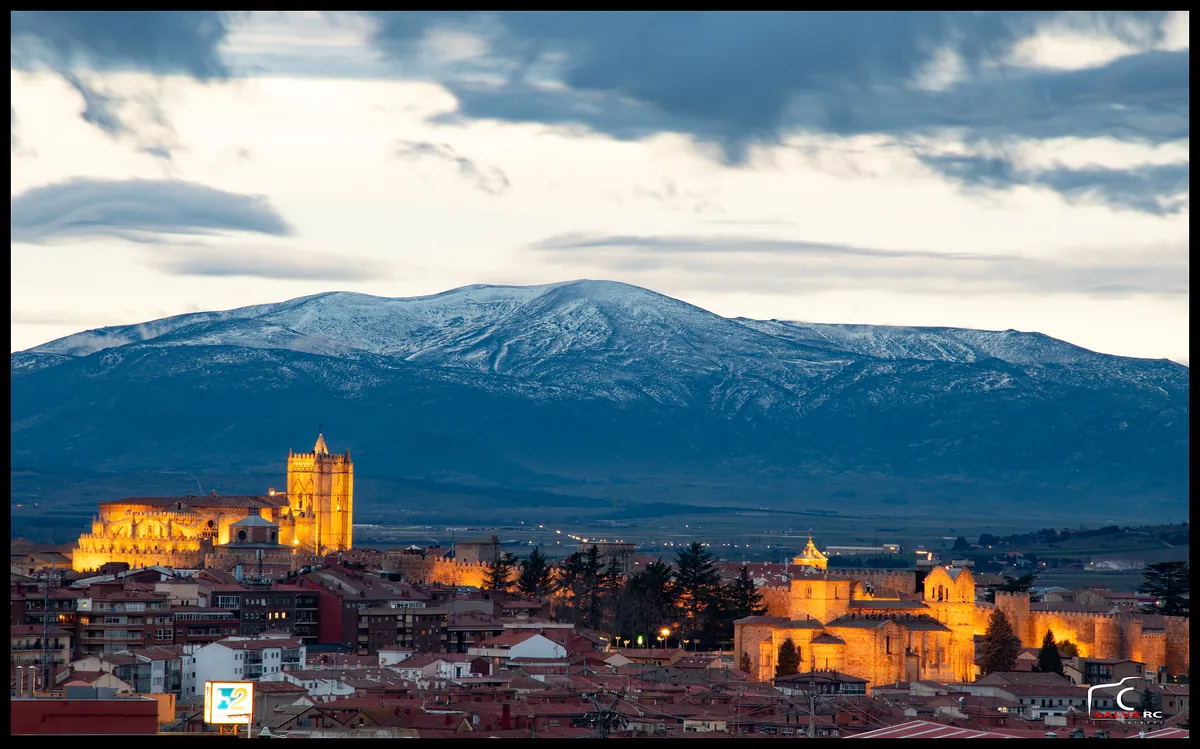
The stone church of San Pantaleón appears to grow directly from the limestone outcrop, its weathered walls the same honey-colour as the rock beneath. At 1,150 metres above sea level, this 10th-century sanctuary marks the point where Spain's central plateau begins its final ascent toward the Cantabrian range. The climb from the valley floor takes twenty minutes on foot; the reward is a panorama stretching across pastureland that fades into forest, then mountain shadow.
The Geography of Silence
Valle de Losa occupies a transitional zone in northern Burgos province, where the meseta's wheat fields surrender to Cantabrian oak and beech woods. The municipality encompasses scattered hamlets across 126 square kilometres, each sitting at altitudes between 800 and 1,200 metres. This elevation creates distinct microclimates: mornings often arrive with valley fog that burns off by ten o'clock, while evening temperatures drop sharply regardless of season.
The landscape demands constant adjustment. Roads rise and fall with the terrain, connecting villages that seem impossibly distant given the crow-flying distances. Medianas de Losa sits just three kilometres from Ojo Guareña's karst formations, yet the drive takes fifteen minutes along switchback lanes. Walking between settlements requires proper footwear; what appears a gentle stroll on the map accumulates significant ascent.
Winter transforms access entirely. Snow arrives by November and can linger into April on north-facing slopes. The BU-550 road from Burgos city remains open, but secondary routes become treacherous without chains. Summer brings the opposite challenge: intense UV at this altitude sunburns quickly, and water sources between villages become unreliable after July.
Stone, Wood and Weathered Faith
Traditional architecture reflects both available materials and centuries of agricultural life. Granite and limestone quarries provided building stone; the resulting houses feature walls half-metre thick that moderate interior temperatures year-round. Many retain original wooden balconies, though restoration efforts vary wildly in quality. Some properties display pristine stonework beside neighbours crumbling under concrete render and PVC windows.
The Visigothic-Mozarabic church of San Pantaleón represents the valley's architectural high point. Its horseshoe arches and crude stone altar predate most Spanish Romanesque by two centuries. Entry remains free, though the iron grill across the doorway limits interior viewing. Visit during late afternoon when oblique sunlight illuminates the interior's simple geometry.
Smaller treasures dot the landscape. The 12th-century ermita at Medianas de Losa contains a Romanesque Virgin whose serene expression contrasts with the building's austere stone. Local women still maintain the tradition of changing her vestments according to the liturgical calendar. The ermita's hilltop position offers views across the Losa valley's patchwork of meadows and forest.
Walking Through Four Seasons
Marked trails cover approximately 45 kilometres, ranging from thirty-minute village circuits to full-day traverses. The PR-BU 71 route links six settlements across twelve kilometres, following medieval paths that once connected iron workings with pasture. Waymarking improves annually, but carrying the 1:25,000 topographic map remains essential; mobile signal disappears in valleys.
Spring brings the most reliable walking weather. April showers carpet meadows with wild narcissus and orchids, while daytime temperatures hover around 18°C. The Ruta de los Hayedos passes through beech forest where early purple orchids push through leaf litter. Autumn offers equal rewards: October's fungal explosion attracts mushroom hunters from Bilbao, though novices should note that Cortinarius species here can prove lethal.
Summer walking requires early starts. By 11am, temperatures reach 28°C despite the altitude, and shade remains limited on south-facing slopes. The karst landscape around Ojo Guareña provides cooler alternatives; underground rivers maintain constant 12°C temperatures in cave systems that extend 110 kilometres. Guided tours operate weekends through September, costing €12 including helmet and lamp.
What Grows and What Arrives
Agriculture defines the valley's rhythm, though modern realities bite hard. Red kidney beans from Castrillo de Losa command premium prices in Burgos markets, fetching €8 per kilo when dried properly. Local beef cattle graze extensively; the resulting meat appears on village menus alongside morcilla blood sausage that contains rice rather than the onion typical elsewhere.
Honey production supports several families; chestnut and heather varieties dominate depending on season. The cooperative at Quincoces de Yuso sells 500g jars for €6, though production varies wildly with weather. Late frost in 2021 eliminated most spring blossom, reducing yields by 70%.
Dining options remain limited. Bar Teresa in Losa village serves daily menus at €12 including wine, featuring hearty stews that reflect mountain appetites. The weekend speciality, chickpeas with wild boar, requires ordering in advance; local hunters supply meat during winter months. Vegetarians face challenges, though tortilla and cheese plates appear on every menu.
Practical Navigation
Burgos city, 65 kilometres south, provides the nearest reliable transport hub. ALSA buses run twice daily to Losa village (€7.50, 90 minutes) but require advance booking online. Car hire remains essential for exploring; the final twenty kilometres involves steep gradients and sharp bends that test clutch control.
Accommodation clusters in three locations. The stone-built Hotel Valle de Losa offers 24 rooms from €65 including breakfast, though winter heating can prove inadequate during cold snaps. Casa rural options provide better value for groups; El Hayedal sleeps six from €120 nightly with fully equipped kitchens. Booking proves essential during hunting season (October-January) when participants fill available beds.
Weather demands respect regardless of season. Mountain weather stations prove unreliable; local farmers remain the best forecasters. Carry waterproofs year-round; afternoon thunderstorms build quickly during summer months. Winter visitors should pack chains even when roads appear clear - microclimates create sudden ice patches that defeat standard tyres.
The valley rewards those who abandon rigid itineraries. Morning coffee in one village might stretch into lunch as locals share directions to that day's best mushroom spots. Evening brings star-scapes unpolluted by light, where the Milky Way appears close enough to touch. Just remember: the silence that draws visitors here also means limited phone coverage, sporadic opening hours, and a pace that refuses acceleration.