Full Article
about Valle De Valdelaguna
Ocultar artículo Leer artículo completo
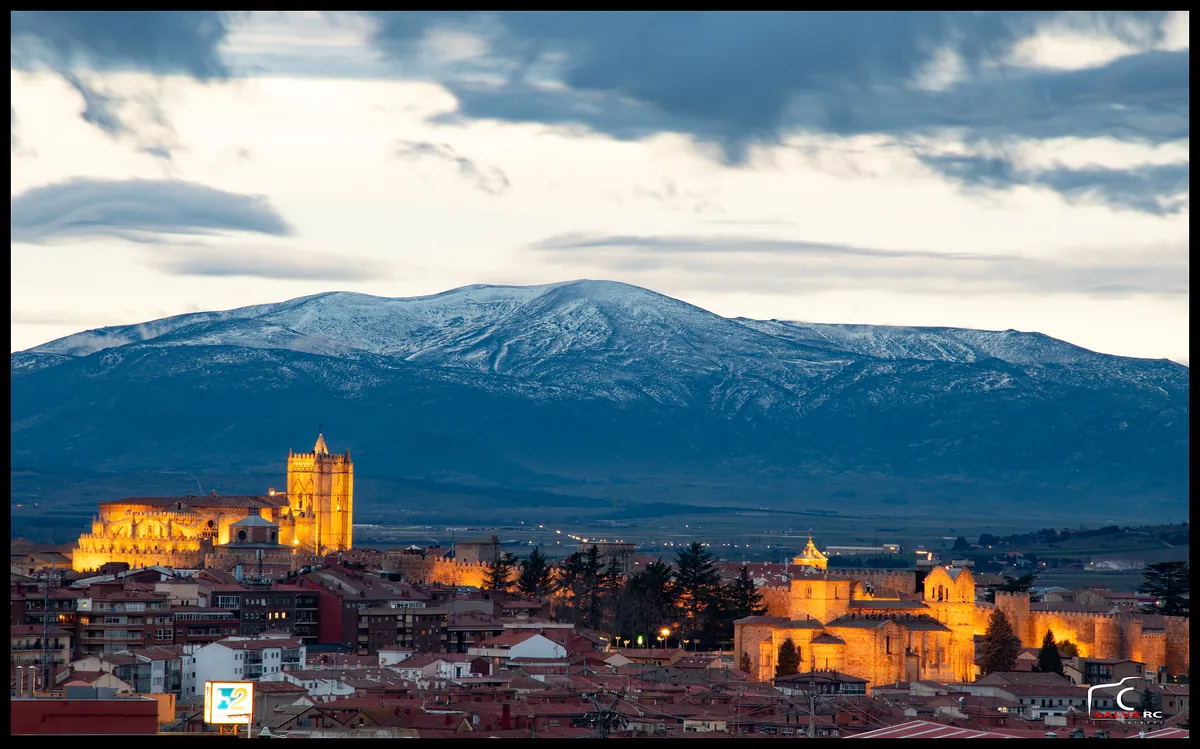
The thermometer drops five degrees in the final ten kilometres. As the N-234 climbs south from Salas de los Infantes, wheat gives way to Pyrenean oak and the air thins enough to make a Londoner light-headed. Suddenly the map reads 1,100 m and the Sierra de la Demanda appears – a saw-toothed ridge still patched with snow in late April. This is Valle de Valdelaguna, a scatter of stone hamlets strung across a high bowl where mobile signal vanishes long before the petrol gauge does.
A municipality, not a village
British drivers often overshoot the sign, expecting a single plaza and a convenient bar. Instead they find a thinly populated municipality stretching 45 km²: Huerta de Arriba, Huerta de Abajo, Barrio de Abajo, Barrio de Arriba, and a handful of outlying caseríos. Distances feel longer at altitude; what looks a five-minute hop on the screen takes fifteen along single-track lanes where stone walls brush both wing mirrors. Accommodation is similarly dispersed – a restored farmhouse here, a modest guest room above someone’s grandmother’s kitchen there. Book before you arrive; the nearest hotel with a reception desk is 25 km back in Salas.
Stone, adobe and the scent of wet straw
Park on the ridge above Huerta de Arriba and walk down. The lane is cobbled, polished smooth by centuries of hooves and tractor tyres. Houses rise two storeys, built from russet limestone quarried on site, their wooden balconies warped into gentle curves. Adobe patches show where owners ran out of stone yet refused to import concrete. Swallows nest under the eaves; the only shop shutters are painted the same ox-blood red as the local earth. Nothing is “restored” in the boutique sense – roofs are simply re-tiled, walls re-rendered, life carried on. Pause outside number 14 and you’ll spot a 17th-century coat of arms half-erased by rain; the family left for Argentina in 1962 and nobody has bothered to freshen the carving since.
The Iglesia de San Juan rises at the lowest point, its squat tower a navigation aid for anyone who has circled the wheat fields twice. Inside, the air smells of beeswax and damp stone. The altar frontal is 18th-century brocade, faded to the colour of autumn barley; the priest unlocks only on request, so knock at the house opposite where Concha keeps the key alongside her chickens’ feed.
Walking without waymarks
Official hiking routes stop at the municipal boundary, but farmers still use the old transhumance tracks. Follow the concrete lane past the last streetlamp and it turns into a grassy esplanade that crests a low watershed after 40 minutes. From the top you can see three provinces: Burgos behind, La Rioja to the east, Soria lost somewhere in the haze south-west. The path drops through a holm-oak hollow where wild boar root for acorns; if you startle one, stand still – they charge only when cornered. Circular walks are tricky without GPS, so download the 1:25,000 IGN map before you leave the hotel Wi-Fi. A four-hour loop south to the ruined ermita of San Pelayo and back via the Arroyo de las Ovejas is 10 km with 350 m of ascent – enough to work up an appetite for roast lamb but not to require poles.
What to eat when everything is closed
Sunday lunchtime is a gamble. The bar in Huerta de Arriba – plastered with faded bull-fighting posters – serves coffee until 1 pm, then the owner pulls the shutter and heads home for siesta. Phone ahead on Saturday if you want the chuletón al estilo de la Sierra, a T-bone that arrives sizzling on a terracotta tile, easily feeding two hungry walkers. Vegetarians settle for sopa castellana thickened with egg and stale bread; request it “sin chorizo” or the kitchen will float pink coins of cured pork on top. Queso de Burgos is the safe bet for picnics: mild, crumbly, nothing like the aggressive Manchego sold in British supermarkets. Buy it from the fridge in the garage at Salas before you climb; the only shop in the valley stocks UHT milk and tinned tuna, not artisan dairy.
Weather that forgets the season
At 1,100 m spring arrives three weeks later than Madrid. April can slap you with sleet; October often delivers T-shirt afternoons under a cobalt sky. Even in July nights drop to 12 °C – pack a fleece whatever the forecast says. Winter is serious: the BU-822 is routinely chained above 900 m, and the valley’s 120 full-time residents keep a month of supplies in freezers in case the pass closes. The upside is crystalline air and the chance to snow-shoe across wheat stubble turned white. August brings the only crowd: 15 August romería draws exiles back from Bilbao and Barcelona, swelling numbers to 800 for a single weekend. Accommodation trebles in price; book nine months ahead or come a week later when the fireworks have fizzled out and the wheat is being cut.
A different silence
Back home silence is the absence of traffic. Here it is the presence of other things: wind combing through oak leaves, the metallic click of a stork’s bill on the church ridge, your own pulse in your ears. Walk 200 m beyond the last house at dusk and the valley folds you in. No streetlights, no distant motorway hum – just the sky fading from bruised peach to indigo and the first bats flickering overhead. The Milky Way resolves overhead like salt spilled on slate; you remember why Spanish shepherds once mapped the sky with such precision.
Downsides? You will eat lunch at Spanish hours or go hungry. Phone reception is patchy enough to make calling a taxi an act of faith. The nearest cash machine is 22 km away and occasionally empty. Bring euros, a paper map, and the expectation that nothing will happen quickly.
Drive out at sunrise, when the grain turns from grey to gold in minutes and the mist pools in the hollows like milk. You might meet a farmer leading three sheep up the lane; he will nod, wish you “buen camino”, and continue as if foreigners in hiking boots appear every morning. In Valle de Valdelaguna they don’t – yet.