Full Article
about Valmala
Ocultar artículo Leer artículo completo
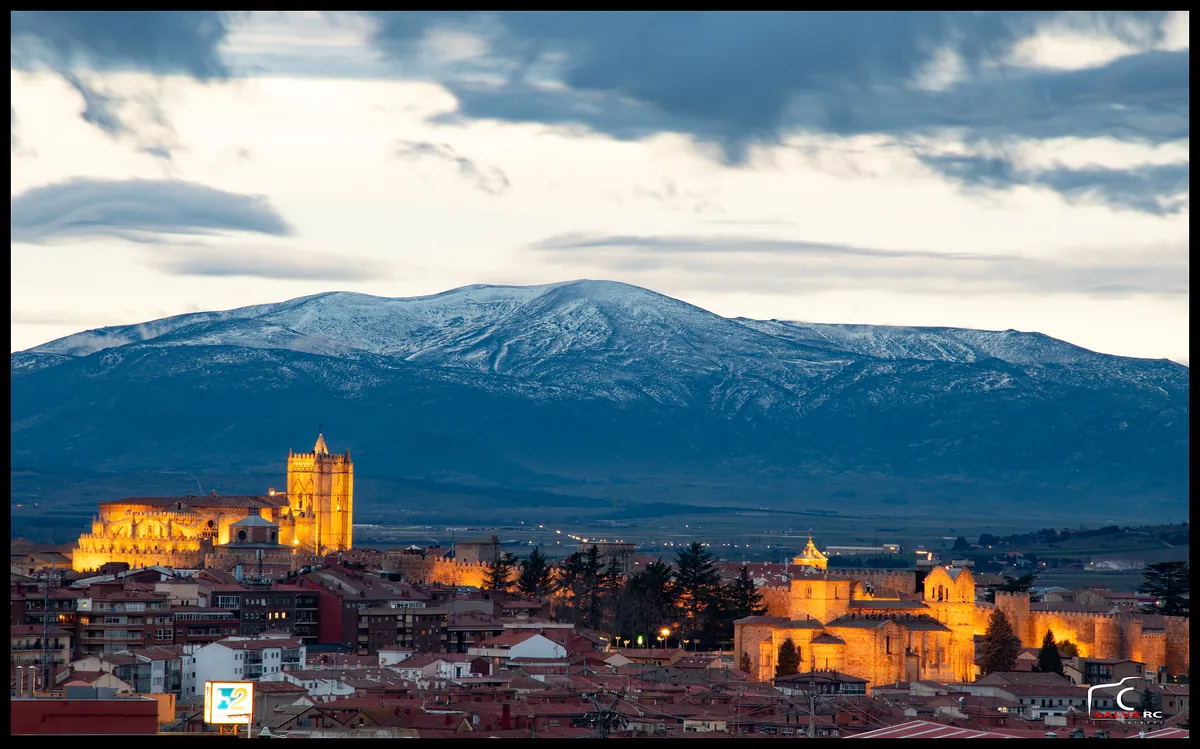
The BU-550 turns to gravel two kilometres short of Valmala and the thermometer on the hire-car dashboard falls five degrees in as many minutes. At 1,030 m above sea level the village sits exactly on the weather divide between the scorched cereal basin of southern Burgos and the first folds of the Sierra de la Demanda. One minute you are among endless wheat; the next you are in a wind-scoured hamlet where stone houses seem to grip the limestone ridge for sheer survival.
A village that never learned to whisper
Twenty-six permanent residents, one church bell, no shop, no bar, no mobile signal worth the name—yet Valmala is rarely silent. The wind does the talking, rolling across the plateau and funneling up the Valmala ravine until it hits the stone bell-tower of the Iglesia de San Juan. On winter nights the gusts can reach 80 km/h; locals lash their wheely-bins to iron rings set into the walls. Summer brings the opposite problem: a thick lid of heat that lingers until well after midnight, forcing neighbours to drag kitchen chairs onto the single paved lane and argue about rainfall figures until the temperature drops enough for bed.
The houses themselves look half-defensive, half-defeated. Granite blocks the colour of weathered oak rise straight from bedrock; timber balconies sag like tired elbows. Some façades still carry the hand-painted numbers of the 1950s agrarian census, black digits that refuse to fade. Others have sprouted double-glazed windows and neat little name-plates—Casa Rural La Genciana, Casa Rural El Mirador—evidence of families who left for Bilbao or Barcelona and now return for two weeks each August with London-return EasyJet habits and a weakness for Nespresso.
Walking without waymarks
There is no tourist office, no glossy map, no QR code on the 12th-century arch. Instead, a cobbled path leaves the churchyard gate, drops past a ruined bread-oven and splits: left for the threshing circles, right for the waterfall. Take the right. The track narrows to a sheep trod, descends 150 m of limestone scree and ends at the Cascada de Valmala—a 20 m plunge that only exists between November and May. Even in April the pool is cold enough to make a Yorkshire swimmer gasp, yet the water runs gin-clear over orange algae that looks suspiciously like River Wharfe weed. Above the lip of the fall kestrels hover, wings flicking in the updraft exactly like the ones you see above Bolton Abbey—same species, different silence.
Back in the village the threshing-route offers a softer prospect. A 5 km loop follows dry-stone walls built during the post-war wheat boom. Stonechat and calandra lark keep pace; the latter’s song is a liquid castanet that makes British birders reach instinctively for a recorder. Mid-way you pass a collapsed chozo, a circular stone hut once used by shepherds. Its domed roof has fallen inwards, creating a perfect sun-trap where wild thyme smells like a Kentish chalk down. Sit here at dusk and the Meseta performs its single daily miracle: the horizon widens until the curvature of the earth feels measurable, sky turning the precise shade of a St Ives winter sea before the first star shows.
A kitchen without a till
Valmala has no commerce, so eating requires forethought. The nearest supermarket is a Mercadona on Briviesca’s ring-road, twenty minutes away by car; stock up before the final gravel stretch. Most visitors self-cater in one of the three rental houses, but there is a back-door alternative. Phone Casa Rural La Genciana 48 hours ahead and they will leave a foil tray of Riojan suckling-lamb—salt, rosemary, nothing that frightens a British palate—plus a bag of local potatoes in the communal chest-freezer. Payment is by envelope in an honesty box nailed to a pine trunk; €18 a head, cash only, because the card machine cannot find a signal. Pair it with a €6 vino joven from Ezcaray, light enough to drink slightly cool, the way Spaniards themselves serve it when nobody is watching.
Breakfast is DIY, but the same house will sell you a “Brit pack” of UHT milk, sliced white-style pan de molde and Nespresso pods—an admission that not everyone enjoys dunking rock-hard pan de pueblo into black coffee. If you insist on eating out, the closest restaurant is in Pineda de la Sierra, 12 km north: Asador Casa Curro does a respectable cordero asado for €22, but you will need to book; at weekends half of Burgos province seems to converge on the linen-clad dining room.
Seasons that change the locks
Come in late March and the surrounding fields are a geometric chess-board of green wheat and black plough. By mid-June the same squares have turned metallic gold; combine harvesters work through the night, headlights floating like UFOs above the ridge. July and August bring heat that shimmers off stone and drives even the dogs into shadow; walking is possible only before 09:00 or after 19:00. Then, without transition, October arrives: mornings at 3 °C, afternoons at 22 °C, the oak scrub suddenly the colour of oxidised copper. The first ganaderos trail cattle down from high summer pastures; the sound of cow-bells carries for miles in the thin air.
Winter is a gamble. Snow is rare but frost is not; the BU-550 becomes a ribbon of black ice that even local farmers treat with respect. If the wind shifts to the north-east the thermometer can drop to –8 °C inside the houses, because stone walls two feet thick take three days to respond to the single electric radiator most rentals provide. On those nights the village feels closer to a bothy in the Cairngorms than to any romantic idea of sun-baked Spain.
Getting here, getting out
Ryanair’s Friday flight from London-Stansted to Burgos operates only between May and October; outside those months fly to Bilbao and drive two hours south. Hire cars are essential—Valmala has no bus, no taxi rank, and the nearest railhead is in Burgos city, 35 km away. From the airport take the A-1 south, exit at Lerma, then follow the BU-550 west until tarmac gives way to gravel and the sat-nav lady finally admits defeat. Park in the small plaza opposite the church; nobody will clamp you, but do not block the brown IVECO pickup—it belongs to the only farmer still working full-time and he leaves at dawn.
Leave the same way you arrived, but pause on the ridge above the village. From here the Meseta stretches south until it dissolves into a pale line that might be sky or might be more land. Somewhere beneath that lid of wind and wheat Valmala keeps its own slow pulse—no souvenir shop, no crushed-ice coffee, no interpretive centre. Just stone, sky and the sound of a bell that has marked the hours since before any guidebook noticed.