Full Article
about Vid Y Barrios La
Ocultar artículo Leer artículo completo
The bell-tower rises 33 metres before you've even noticed the village. One moment you're driving through miles of regimented tempranillo vines, the next a flamboyant Churrigueresque spire punches the Castilian sky. That's La Vid y Barrios: the monastery announces itself long before the houses do.
Santa María de la Vid monastery dominates everything here. Augustinian monks have kept the liturgy going since the twelfth century, and their midday office drifts across the single main street at 12:30 sharp. Visitors arriving for the English-language tour often find themselves lowering their voices without thinking; this is still a working community, not a heritage set-piece. Brother Rafael will unlock the sixteenth-century cloisters only for holders of the €7 "visita completa" ticket – the €4 basic option stops at the church door – and he'll pause the group so you can hear leather sandals echo on stone rather than mobile phones. Photography is allowed, but most people forget to lift the camera; the place simply makes you look up.
Outside, the village shrinks to human scale. Stone houses, some still with timber-beamed façades, line two short streets that converge on a triangular plaza. Tractors park next to hatchbacks; the smell is of diesel and damp earth rather than tourist menus. Population hovers around five hundred, though numbers swell during September's vendimia when contract pickers move into spare rooms. At 3 p.m. on an October weekday you can walk from one end to the other without meeting anyone – blissful if you want silence, hopeless if you need a pint of milk.
The Duero lies ten minutes south on foot, its poplar-lined banks a sudden band of green in the blond plateau. A gravel track follows the river for 4 km west to the hamlet of Barrios; kingfishers flash cobalt above the water, and you'll share the path only with the occasional angler after barbel or carp. Spring brings carpets of white garlic flowers, autumn the scent of crushed grape skins drifting from tiny family bodegas dug into the hillsides. These aren't postcard vineyards: posts are hand-painted with house numbers, wires sag, and every third plot seems to be owned by an uncle in Valladolid who turns up at weekends to prune.
Serious wine pilgrims usually drive on to Peñafiel or Aranda de Duero, but La Vid holds its own liquid argument for staying put. Bodegas El Lagar de Isilla occupies a converted grain store beside the monastery wall. Inside, the ceiling is black with century-old soot; outside, tables sit under a single plane tree. A glass of their crianza costs €3.50, a glass of the gran reserva €4 – prices that make British wine-tourists blink twice. They'll ship a mixed twelve-bottle case to your door in Kent for roughly €35; it arrives, remarkably, within ten days and excise-paid. Tastings run on monk time: turn up, ring the bell, wait for someone to finish spraying down the press.
Food is equally uncompromising. The local lechazo – milk-fed lamb roasted in a wood-fired clay oven – appears on every menu within 30 km. Portions assume you've spent the morning ploughing, but most asadores will sell you a media ración if you ask. Pair it with a local queso de oveja curado; it's milder than Manchego, nuttier, and the monks have been making some version of it since the Middle Ages. Vegetarians should lower expectations: even the lettuce may arrive garnished with jamón shards.
Practicalities feel almost intentionally awkward. There is no cash machine in the village; the nearest 24-hour ATM lurks 18 km away in Aranda de Duero, so fill your wallet before you arrive. Mobile signal is patchy: EE and Vodafone cling on around the main square, O2 gives up entirely. Download offline maps while you still have 4G. Tuesday morning sees a produce market in Zuzones, three kilometres down the BU-905; locals drive in for tomatoes, then linger at the bar for a quick carajillo – coffee laced with brandy – before heading home.
Staying overnight means either the monastery's own hospedería (12 simple rooms, dinner served at 8 p.m. sharp, lights-out implied rather than enforced) or a handful of village houses let out as casas rurales. Expect stone walls, wool blankets, and heating that clanks into life at 6 a.m. Prices sit around €70 for a double, breakfast of toast and membrillo jam included. Booking ahead is wise for weekends in May and October; outside those months you can usually turn up and knock.
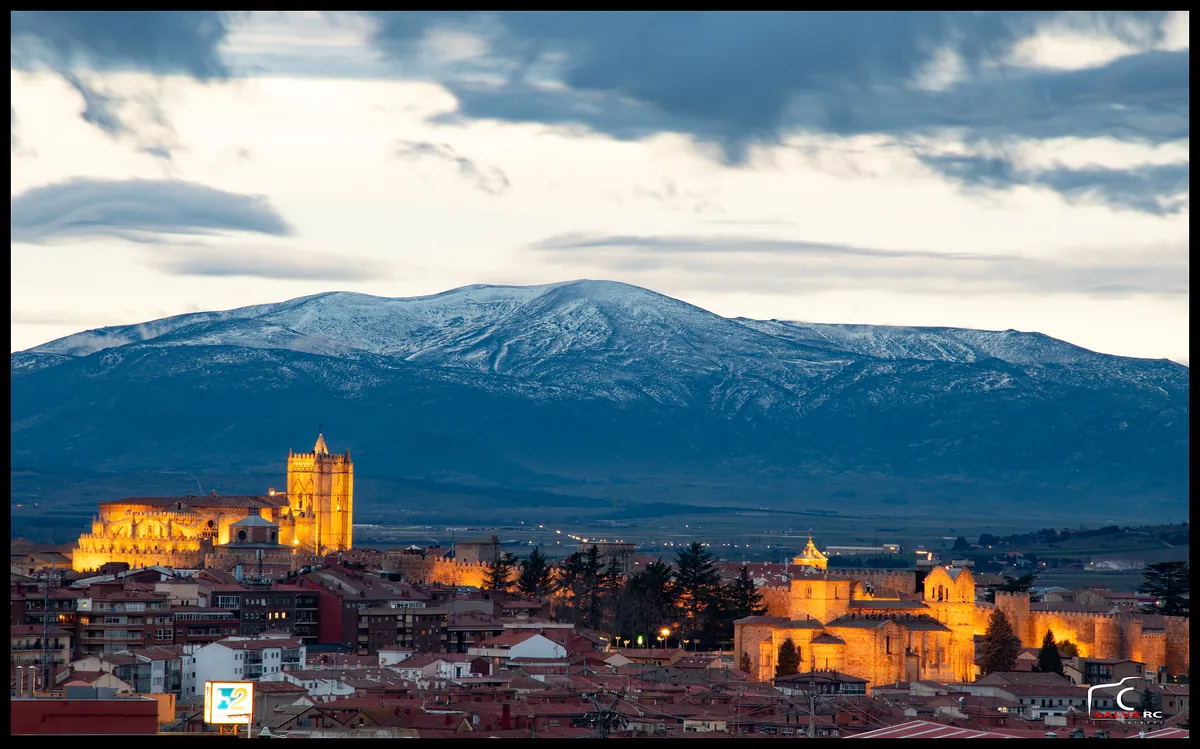
Crowds, such as they are, arrive on Sunday mornings when the monastery choir draws day-trippers from Burgos. By 2 p.m. the coaches have left and the plaza belongs again to old men on benches and children kicking footballs against the seventeenth-century arch. Winter sharpens the silence: night temperatures drop below freezing, mist pools in the Duero valley, and the granite walls glow orange under floodlights. Summer, on the other hand, can feel relentless. Daytime highs nudge 38 °C, shade is scarce, and the river shrinks to a tepid trickle. April–June and mid-September to early November give you warm afternoons, cool nights, and vines either flowering or flaming red.
Walkers can stitch together a 12-km loop south to the ruined Ermita de San Juan, crossing cereal fields where great bustards occasionally explode from the stubble. The route is way-marked by wooden posts, but carry water; there's no bar between La Vid and the river. Cyclists share quiet tarmac lanes with tractors hauling grape hoppers; gradients are gentle, though the wind can be savage once you leave the valley.
Leave time for the small things: the smell of incense drifting from the monastery at vespers, the way swifts dive between the bell-tower's open arches, the sound of someone hosing down a wine press at dusk. La Vid y Barrios offers no souvenir tat, no British pubs, no Instagram swings. What it does offer is the sense that you're witnessing a place that would carry on exactly the same if you weren't there. Some travellers find that unnerving; others find it addictive. You'll know which camp you're in before the monks finish their next office.