Full Article
about Vilena
Ocultar artículo Leer artículo completo
The tractor idles outside the stone church at 07:30 sharp. That is the morning rush hour in Vileña, a single-street village 40 km south-west of Burgos where the population grazes 50 in winter and maybe doubles when the grandchildren arrive for August. No one advertises the fact, yet the place works as a perfectly serviceable base for anyone who wants to see cereal Castile without coach-party choreography.
Stone, straw and silence
Houses are built from the same golden limestone that breaks up through the topsoil here, so the whole settlement glows the colour of dry biscuits. Timber doors are small and rounded at the top, relics of a time when you built to keep the heat out, not to park an SUV. Walk the length of Calle Real in six minutes and you will pass two bread-sized grocery shops (both open "si permitting"), a bar that smells of coffee and sheep-dip, and the 16th-century portico of the parish church. The capitals are crudely carved with what might be wheat or might be tulips – the mason never said – and swifts nest in the bell tower, returning on the same day every spring.
There is no ticket office, no audio guide, no gift shop. You simply push the iron handle and step into a single nave that smells of candle wax and damp stone. Repairs are patched in brick rather than concealed; you can read the building like a cross-section drawing. Stay longer than ten minutes and someone will appear to ask, politely, whether you are looking for the key to the sacristy. Decline and they will still walk you back out, lock up, and wish you a good harvest.
Roads that peter out into stubble
The surrounding grid of farm tracks is public, unsigned and largely empty. A thirty-minute circuit north of the village brings you to an abandoned threshing floor, a circle of flat stones where neighbours once pooled their grain and gossip in equal measure. Beyond it, the path dissolves into waist-high barley that hisses in the wind like cheap radio static. In May the crop is still green and you can smell the juice when you snap a stalk; by mid-July the same field rattles like tinsel and the air smells of toast.
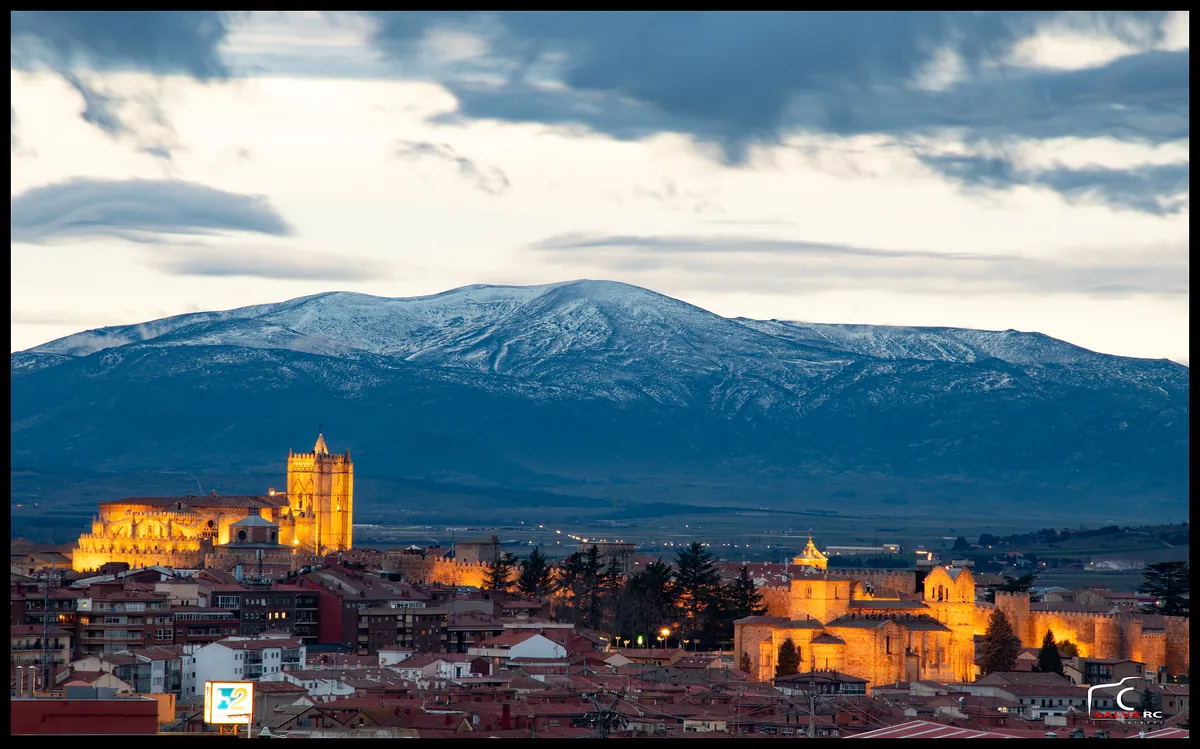
Boots are advisable after rain – the clay sticks like wet biscuit – but the gradients are gentle enough for anyone who can manage a Battersea Park lap. Birds are what you would expect on an East Anglian farm (skylark, corn bunting, the occasional red-legged partridge) but here they perform against a backdrop that rolls all the way to the Montes de Ayuela, blue as slate in late afternoon.
Lamb, lentils and the logistics of lunch
Vileña itself has no restaurant. The bar can rustle up a sandwich of local chorizo if the owner’s sister has delivered bread that morning; otherwise you drive six km to Hontoria de Valdearados for asador-style roast suckling lamb at €22 a quarter. The meat arrives with nothing more than a wedge of lemon and a plate of chips the size of roof slates – Castilians see no virtue in disguising the main event. Vegetarians get lentils stewed with paprika and a slab of tortilla thicker than a telephone directory. House wine is a young Ribera del Duero served in a bottle that looks like a laboratory flask; it costs €2.50 a glass and tastes of blackberries and graphite.
If you are self-catering, stock up in Burgos before you leave. The village shop carries UHT milk, tinned tuna and the kind of biscuits that survive nuclear winter; fresh vegetables appear on Thursdays when a white van parks by the church and sells tomatoes still smelling of the greenhouse.
When the calendar interrupts the quiet
Festivity here is short, loud and lit with bulbs the colour of dentist’s mouthwash. The main fiesta honouring Santa Ana runs from 24–26 July: temporary bars throw open their shutters, an ox is raffled, and a disco rig arrives on the back of a flat-bed to provide what locals call "música moderna" (anything post-1987). Visitors are welcome but not fussed over; buy a €3 raffle ticket even if you have no use for an ox and you will be greeted like a cousin.
Smaller markers punctuate the year: the night of San Juan when teenagers jump over brushwood fires on the edge of the wheat; the grape harvest procession that starts at the church and ends with grape juice and doughnuts for children; the December pig-slaughter when the air smells of clove and smoked paprika and every garage hosts a white-tiled altar of meat. None of these events are advertised beyond a sheet of paper sellotaped to the bakery window. Turn up and you are in; stay away and life continues regardless.
Driving in, driving on
Public transport is a rumour. ALSA runs one bus a day from Burgos to nearby Santo Domingo de Silos, but it deposits you 12 km short and refuses to return until tomorrow. A hire car is therefore essential – and once you have one, Vileña positions you within a 45-minute radius of three very different afternoons. Head north-east to the Romanesque cloister of Santo Domingo, south to the wine cellars of Aranda de Duero (tastings €10, advance email appreciated), or west to the wind-bitten ruins of the medieval university at Valpuesta, where parchment fragments contain the earliest written Spanish yet found.
Returning at dusk, you will probably meet the same farmer leading his cows from field to byre along the main road. He will wave you past when the verge is wide enough; flash your hazards twice and you have said thank-you in local dialect.
The catch
Accommodation within the village limits amounts to two village houses let by the week through a Burgos agency (three bedrooms, wood-burning stove, Wi-Fi that works on Tuesdays). Book early for May and late September – agronomy students descend to monitor barley trials – and bring cash for the damage deposit because card machines are still regarded as sorcery. Mobile coverage is patchy inside stone walls; step into the street and you will get three bars and the occasional whiff of slurry. If you need nightlife beyond the bar’s domino league, you are 35 minutes from Burgos cathedral and its tapa-fringed plaza – drive carefully, the Guardia Civil like to lurk behind the grain silo at Quintana del Pidio.
Come with the expectation of nothing in particular and Vileña delivers a modest, functioning slice of Castilian life: the smell of straw heating in the sun, the sound of a single church bell measuring the day, and horizons so wide you remember what weather looks like when no one gets in its way.