Full Article
about Villaescusa La Sombria
Ocultar artículo Leer artículo completo
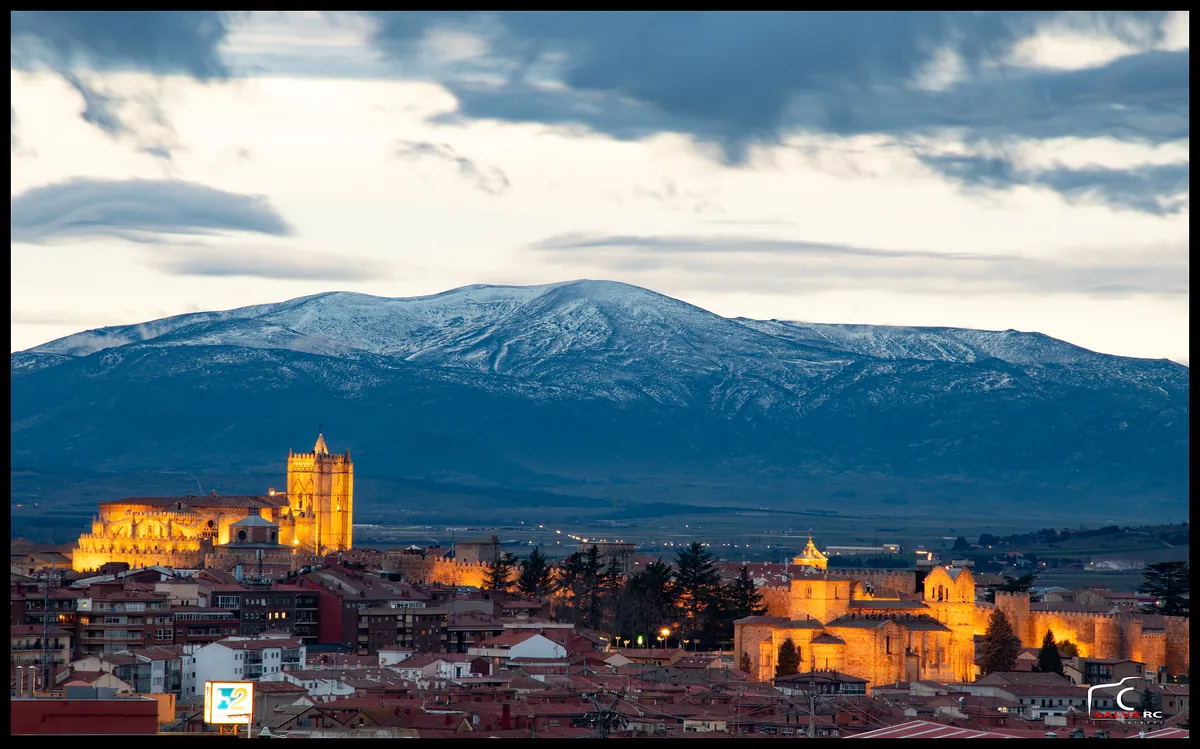
The church bell strikes noon, yet half the village remains in shade. This is how Villaescusa la Sombria earned its name—built on a north-facing slope where morning light arrives late and afternoon sun departs early. Five hundred souls live here, surrounded by wheat fields that shift from emerald to ochre depending on the season, their stone houses huddled against a landscape that has changed little since medieval surveyors first plotted the boundary stones.
The Architecture of Survival
Walk the main street and you'll see buildings that have weathered more centuries than most countries exist. Granite blocks, rough-hewn and mortar-stained, support upper floors of adobe brick painted ochre and dusty rose. Wooden balconies sag under terracotta pots of geraniums; their ironwork rusted into abstract patterns that would fetch thousands in a London gallery. The stone here isn't decorative—it's functional, pulled from nearby quarries when the village founded itself sometime before the Reconquista finished.
The parish church of San Miguel squats at the village centre, its Romanesque portal carved with figures so worn they're barely identifiable as human. Inside, the retablo gleams with gilt paint applied in 1642, though you'll need to ask at the bakery for the key. They keep it behind the counter, attached to a piece of wood the size of a cricket bat—practicality over tourism. Sunday mass still draws thirty regulars, more during harvest when seasonal workers swell the population.
Notice the bread ovens built into house walls, their blackened mouths now filled with firewood or left empty. Before electricity reached the village in 1978, families baked together twice weekly. The communal laundry trough still runs with mountain spring water, though today's washing machines have made it redundant. Elderly women sit nearby nonetheless, knitting and gossiping, maintaining a three-hundred-year-old social circle that WhatsApp hasn't quite replaced.
Following the Grain
The surrounding landscape operates on an agricultural calendar that ignores weekends and bank holidays. Fields of wheat and barley stretch to every horizon, broken only by holm oak clusters and the occasional tractor shed. These aren't the manicured landscapes of tourist brochures—fences lean, gates hang from single hinges, and mud tracks snake between properties with pragmatic disregard for straight lines.
Spring brings the most dramatic transformation. Between late April and early June, the plateau erupts in green so vivid it seems artificially enhanced. Poppies splatter red across wheat fields; wild asparagus pushes through roadside verges. This is prime walking season, when temperatures hover around 18°C and the famous Castilian wind hasn't yet begun its summer harassment. The GR-82 long-distance path passes within three kilometres—close enough for day hikers, far enough that lunch here remains a local affair.
Summer delivers brutal honesty. Temperatures regularly exceed 35°C; shade becomes currency. The village wakes at 6:00 am, sleeps from 2:00 pm to 5:00 pm, then resumes activity until midnight. Wheat harvest dominates July, enormous combines kicking dust clouds visible from the church tower. August empties the village as families flee to coastal rentals, leaving only the elderly and those who can't afford the exodus.
The Economics of Staying
Five thousand people call Villaescusa la Sombria home, though you'd never guess from weekday streets. Young adults leave for university in Burgos or Valladolid; roughly forty percent return, driven back by city rents or family obligation. The primary school educated thirty-two children last year—up from twenty-seven, a minor victory celebrated in the local bar with free tapas for everyone present.
Employment revolves around agriculture, a nearby solar panel installation, and the pork processing plant in Miranda de Ebro twenty-five minutes away. The village's only shop stocks basics: tinned tomatoes, washing powder, cheap wine in plastic containers. For fresh produce, residents drive to Medina de Pomar on Thursdays when the market sets up stalls of local cheese, chorizo, and vegetables sold by farmers who still weigh onions on iron scales older than their customers.
The bar opens at 7:00 am for coffee and churros, closes when the last customer leaves—sometimes midnight, sometimes later. Their menu del dia costs €12 including wine, though they'll charge €8 if you arrive after 3:30 pm when the kitchen wants to shut. Thursday features cocido montañés, a bean and cabbage stew substantial enough to fuel fieldwork. The television perpetually shows football with sound muted; conversation provides the soundtrack instead.
When the Sun Disappears
Winter transforms the village into something approaching monochrome. Temperatures drop to -8°C; the surrounding fields lie ploughed and brown under frost. Wood smoke scents the air from chimneys working overtime—central heating remains a luxury rather than expectation. The bar fills with men in thick coats playing dominoes for centimo coins, their wives meeting privately for card games that involve more wine than cards.
This is when the village's isolation becomes apparent. Snow closes the mountain pass to Burgos twice each winter on average. The local council dispatches a single plough that prioritises the main road, leaving side streets to sort themselves out. Elderly residents stockpile food like survivalists; younger families own 4x4 vehicles not for fashion but necessity. Power cuts last hours rather than minutes—the electrical infrastructure dates from Franco's rural electrification programme and struggles with modern demand.
Yet winter delivers its own rewards. On clear nights, the Milky Way stretches overhead with startling clarity. Light pollution measures virtually zero; shooting stars appear almost routine. The village's elevation—956 metres above sea level—delivers views across forty kilometres of plateau, distant villages visible only by their sodium glow after dusk. Photographers arrive for these conditions, though they're wise to book accommodation in Miranda since Villaescusa offers no formal lodging.
Practicalities Without the Brochure
Driving remains the only practical access. From Bilbao airport, it's ninety minutes via the A-68 and N-232—toll roads total €12.40. Burgos lies forty minutes south; the train station there connects to Madrid in 2.5 hours. Buses run twice daily between Burgos and Medina de Pomar, stopping at the village crossroads if you signal vigorously. Miss the 4:30 pm departure and you're staying overnight, whether planned or not.
Bring cash. The bar doesn't accept cards; neither does the shop. The nearest ATM stands outside Medina's Santander branch, fifteen kilometres away. Mobile phone coverage varies by provider—Vodafone works by the church; EE equivalent requires walking to the cemetery where the elevation helps. WiFi exists in the town hall square, switched off between 11:00 pm and 7:00 am to save electricity costs.
Staying overnight means either the casa rural—three rooms above the bakery, €45 per night, breakfast included—or driving to Miranda where business hotels charge €60 for something indistinguishable from Swindon. The casa rural books up during fiesta weekends in August and September; otherwise, turning up works fine. Their breakfast features coffee strong enough to restart a tractor, plus toast rubbed with tomato and garlic in the proper Catalan manner, surprising this far inland.
Villaescusa la Sombria offers no souvenirs beyond what you experience. The village doesn't do Instagram moments; its appeal lies in watching time move differently, in conversations that start with weather and end with philosophy, in understanding how five hundred people create a complete world. Come for that, and the shadows will welcome you. Come expecting entertainment, and the next bus leaves in four hours—if you wave hard enough.