Full Article
about Villanueva De Teba
Ocultar artículo Leer artículo completo
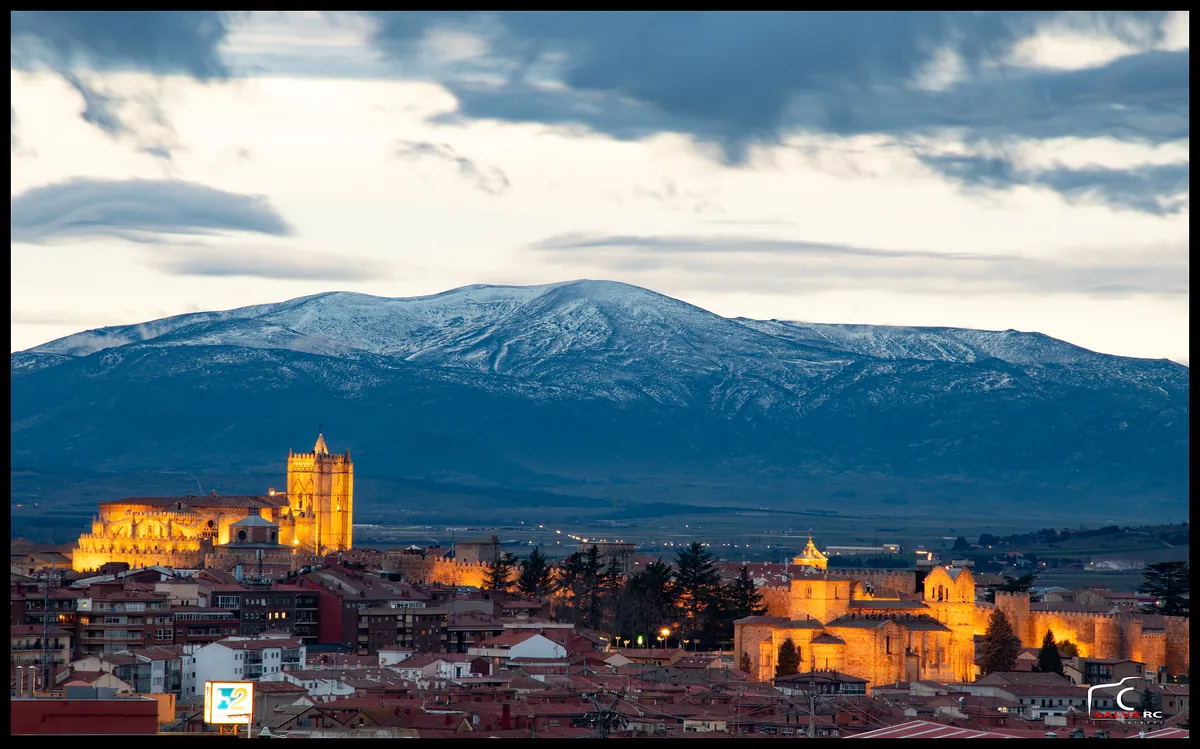
The church bell strikes seven as a tractor coughs to life somewhere beyond the stone houses. In Villanueva de Teba, this counts as the morning rush hour. The village sits at 840 metres above sea level on the northern edge of Spain's central plateau, where the air carries a crispness that surprises visitors expecting the Costa del Sol's heat. Here, 500 souls share a postcode with golden wheat fields that stretch until they dissolve into an enormous Castilian sky.
The Slow Architecture of Time
Parish Church of San Juan Bautista rises above low terracotta roofs like a weathered lighthouse. Built piecemeal between the 15th and 18th centuries, its tower leans slightly westwards—a fact locals point out with pride rather than concern. The limestone blocks show tool marks from at least three different stonemasons' guilds, their varying skills frozen in the fabric. Inside, baroque giltwork clashes with brutalist concrete from a 1970s restoration that nobody asked for. Photography enthusiasts should note the filtered light through the clerestory windows between 9-10 am; it catches the dust motes and creates temporary halos around the rather grim-faced saints.
The surrounding streets reveal a palimpsest of rural building traditions. Adobe walls two-feet thick neighbour 1990s brick extensions, while original timber doors—some dating to the 1700s—hang at angles that would give a London surveyor nightmares. These doors weren't built for symmetry; they were built for ox-carts. Their iron studs aren't decorative but functional, hammered in to prevent horns from splintering the wood during the annual cattle fair. Most remain unlocked during daylight hours, a habit from when everyone knew everyone and their grandmother.
Walking Through a Living Calendar
Villanueva de Teba functions as an agricultural clock. Visit in late June and the air thickens with cereal dust as combine harvesters work through the night. The village bar stays open until 3 am serving coffee and brandy to drivers who've been in the fields since 4 am. By October, the stubble fields burn in controlled strips, sending up columns of smoke that medieval shepherds would recognise instantly. Winter brings an entirely different palette: the earth lies ploughed in chocolate furrows, and the sky turns the colour of pewter. Temperatures drop to -8°C regularly; the 500-metre altitude difference from Madrid means proper coats are essential, not the Barcelona-style leather jacket British expats often pack.
The GR-88 long-distance footpath passes through the village, though you'd never know it. No signposts announce this fact, just occasional yellow paint flashes on electricity poles. The path follows ancient droving routes to neighbouring villages like Revillarruz and Castil de Peones—both smaller than Villanueva de Teba, which takes some imagining. These 10-15 kilometre walks cross entirely open country. No woodland, no rivers, just the horizon receding as you walk. Mobile phone signal disappears after the first kilometre; this is deliberate navigation. If you can still check Instagram, you're on the wrong track.
What Passes for Gastronomy
The village's single restaurant, Casa Cándido, opens only when Cándido feels like it. This happens approximately three times weekly, though nobody publishes a schedule. When the metal shutters roll up, locals appear within minutes as if summoned by telepathy. The menu never changes: sopa castellana (garlic soup with bread and poached egg), lechazo (milk-fed lamb roasted in a wood oven built 1897), and queso de Burgos so fresh it still holds the shape of the mould. Prices hover around €12-15 per dish; cash only, and don't ask for a vegetarian option unless you enjoy being the subject of village gossip for the next decade.
The bar operates under different rules. Open daily 7 am-10 pm, it serves as village hall, post office, and betting shop. British visitors often commit the cardinal sin of ordering sangria; the correct choice is vino tinto del pais—locally produced tempranillo that costs €1.50 per glass and arrives at whatever temperature the bottle's been kept at. The tortilla comes out at 1 pm sharp; when it's gone, it's gone. Twenty portions maximum, made by the owner's wife who refuses to share the recipe with anyone, including her daughters.
The Festival That Resets the Clock
August's fiestas patronales transform the village entirely. Population swells to 2,000 as families return from Bilbao, Barcelona, and Birmingham. The single streetlight gets decorated with paper flags that fade to pastel within 48 hours. A sound system appears—borrowed from the neighbouring town and powered by a generator that competes with the music for volume. Traditional events include the suelta de vaquillas (young bulls run through cordoned streets) at 7 am, followed by mass, followed by more bulls, followed by lunch that stretches until dinner time.
The British tendency to arrive "fashionably late" doesn't translate here. The bulls start whether you're watching or not. The front-row spaces along the barriers fill by 6:30 am with families who've brought folding chairs and thermoses of coffee laced with rum. Tourists stand out immediately: they're the ones wearing white trousers and expressing surprise that the "running" involves standing still while 200kg of confused beef trots past. Accommodation during fiestas requires booking six months ahead; otherwise, you'll be sleeping in Revillarruz and walking 7 kilometres home at 4 am when the last generator finally coughs into silence.
Practicalities for the Unprepared
Getting here demands planning. The nearest AVE (high-speed train) station is Burgos-Rosa de Lima, 45 minutes away by car. Car hire is essential; buses from Burgos run twice daily except Sundays, when they don't run at all. The final 12 kilometres involve country roads where wheat grows right to the tarmac edge. Meeting a combine harvester coming the other way requires reversing to the nearest field entrance; they're not reversing, and they're bigger than your rental Fiat 500.
Phone signal remains intermittent. Vodafone works on the church steps and nowhere else. O2 requires walking 300 metres north towards the cemetery—locals will point out the exact spot where you can get two bars. This isn't a technical fault; it's geography. The plateau's flatness creates radio shadows that shift with atmospheric pressure. Consider it part of the detox.
What Villanueva de Teba offers isn't Instagram moments but temporal displacement. Time moves differently here, measured in harvests and church bells rather than meeting schedules. The village won't change your life; it simply continues its own, allowing you to observe a version of Spain that package tours bypass. Bring walking shoes, cash, and patience. Leave the selfie stick in Madrid—you'll need both hands free for the bread, the wine, and the occasional confused bull.