Full Article
about Villasur De Herreros
Ocultar artículo Leer artículo completo
The church bell strikes noon just as the bar door swings open. Inside, half a dozen locals lean against worn Formica, coffee cups rattling against saucers while the television murmurs yesterday's football scores. This is Villasur de Herreros at its busiest: a handful of neighbours, one sleepy Labrador, and the smell of woodsmoke drifting in from the surrounding pines. No souvenir stalls, no selfie-stick vendors, just the working heartbeat of a mountain village that hasn't bothered to reinvent itself for visitors.
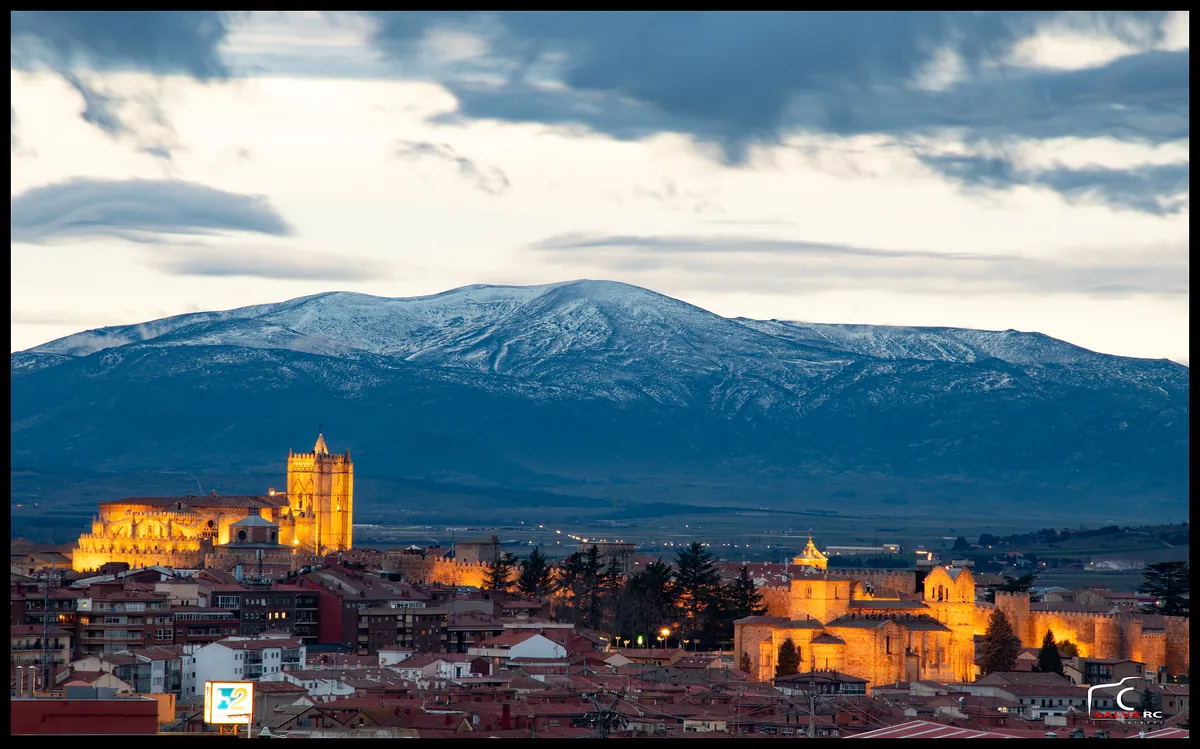
Set at 1,050 m in the northern folds of the Sierra de la Demanda, the settlement owes its name—literally "Upper Forge"—to the iron-working families who once hammered tools from local ore. The forges have long gone cold, yet the prefix "Villa-" still signals medieval pride: this was a place that mattered. Today its relevance is quieter. Walkers heading into the 66,000-hectare demanda pine belt treat the single main street as a last-chance coffee stop before the trail, while weekenders from Burgos, 45 minutes away, come for空气 that actually tastes of something other than diesel.
Stone houses shoulder right up to the tarmac, their timber balconies stacked like bird boxes above passing 4×4s. Most façades are the colour of burnt cream after centuries of sun, though a few have been slapped with modern render in shades of peach that shouldn't work but somehow do. The only traffic jam you're likely to meet is a farmer easing three sheep toward the abattoir van—an event timed to coincide with school break so children can watch tradition meet tomorrow's lunch.
Iron in the Soil, Oxygen in the Lungs
You don't come here for blockbuster monuments; you come for the hinterland. Step past the last cottage and the tarmac gives way to a gravel forestry track that climbs steadily through resin-scented pines. Within twenty minutes the village sits like a toy town below, the Arlanzón River a silver thread through hay meadows. Carry on another hour and you reach the Puerto de la Sia, an 1,800 m saddle where Cantabrian weather slams into Castilian plateau—bring a jacket even in July.
The web of marked footpaths is thinner than in the better-known Picos, which means blissful solitude and the minor thrill of actually needing a map. The local tourist office (open Tuesday and Thursday, morning only) sells a 1:25,000 sheet for €6 that covers every cow track between here and the province of La Rioja. GPS works most of the time, but batteries drain fast in the cold, so consider it backup rather than gospel.
Cyclists favour the Vía Verde del Duero, a converted mining railway whose nearest access point is only 8 km down-valley. The surface is compacted gravel—fine on a hybrid, misery on 23 mm road tyres—and bike hire is possible only in Burgos, so plan ahead if you're arriving by coach. Once aboard, it's 52 km of traffic-free riding to Aranda de Duero, broken by two brick tunnels just long enough to make headlights worthwhile.
When to Drop In—and When to Stay Away
April and May turn the surrounding oak and beech woods an almost Irish green, with wild orchids splodged across the forest floor like purple paint flicked from a brush. Temperatures hover around 18 °C at midday, perfect for walking, though nights can dip to 5 °C; pack a fleece and you'll dine happily on the terrace of the solitary restaurant. September repeats the trick with added autumn fungus: chanterelles, boletus and the prized níscalo pop up after the first late-August storms, prompting locals to brandish wicker baskets like medieval weapons. Spanish law requires a €6 regional permit for mushroom collection—buy it online before you arrive, because the forestry agent does check and fines start at €30.
August fiestas transform the square into a neon fairground, but they also triple the decibel level and fill the 30-pitch municipal campsite. Book early or, better, come the week after when Spaniards have returned to the cities and you get the brass-band echo all to yourself. Mid-winter brings real snow most years; roads are cleared quickly, yet a whiteout can still strand you overnight. If you're craving a snowy silence, fine—otherwise aim for late March when drifts retreat and bars reopen fully after their seasonal hibernation.
What You'll Eat—and What You Won't Find
Forget tasting menus and chia-seed smoothies. Villasur offers exactly three places to ingest calories: one bar, one restaurant, and a weekend-only asador that occupies the old forge. The daily set lunch (menu del día) costs €12 and runs to three courses plus wine. Expect judiones—butter beans the size of conkers bobbing in a ham broth—followed by lechazo, suckling lamb roasted in a wood-fired oven until the skin shatters like thin toffee. Vegetarians can survive on tortilla and salads, but this is sheep country; if the sight of tiny ribs troubles you, bring emergency lentils.
Evening eating is trickier. Kitchens close at 17:00 and don't reopen; by 20:30 the bar will sell you a plate of morcilla de Burgos (mild rice-black-pudging) or a toasted sandwich while the owner watches the news. Stock up in Burgos if you want midnight snacks—the village shop closed five years ago when the owners retired and no one fancied 14-hour retail days.
Cash, Keys and Other Small Print
Plastic is useless. The nearest cash machine is a 40-minute drive south in the industrial outskirts of Burgos, and neither fuel station nor bakery accepts cards. Bring euros, preferably in twenties; the bar owner frowns at fifties for a €1.30 coffee.
Church enthusiasts should temper expectations. The Iglesia de San Esteban is 15th-century at its core but Victorian-heavy in restoration, and it's kept locked unless someone's praying. Stand opposite the bar, catch the waitress's eye and ask for "la llave de la iglesia, por favor"; she'll probably finish her cigarette first, then hand over an iron key worthy of its own museum display.
Mobile coverage is patchy inside stone walls. Step into the square and you'll manage a 4G WhatsApp call; stay in bed and you'll be composing texts like it's 2003. Download offline maps before leaving Burgos and screenshot your accommodation confirmation—there's no reception at all on the western forest tracks.
Exit Strategy
One night is enough to taste the village, three gives you time to hike to the glacier cirque of San Lorenzo or cycle the vía verde without rushing. Public transport is basically nil: one school bus at dawn, one return at dusk, neither designed for rucksacks. Car hire from Burgos railway station runs about €35 a day for a Fiat 500; the road is twisty but well surfaced, and the views over the pine ocean make the 45-minute climb feel shorter than it is. Alternatively, bring a bicycle on the train to Burgos and pedal the final 50 km via quiet CM-roads—just remember that the last 12 km rise 600 m, so pack legs as well as enthusiasm.
Leave before checkout time and you'll probably get a wave from the woman who swept the square at dawn, plus a muttered "Buen camino" from the old men on the bench. No one will try to sell you a souvenir fridge magnet, and that's precisely the point. Villasur de Herreros doesn't need to dazzle; it simply lets the mountains do the talking while you remember what quiet actually sounds like.