Full Article
about Santa María de la Vega
Set on the fertile plain of the Eria river; known for its irrigated farming and the Virgen de la Vega fiesta.
Hide article Read full article
Santa María de la Vega y la llanura
El pueblo se asienta en la llanura al norte de Benavente, en la provincia de Zamora. Su paisaje es el del cereal, un terreno llano y abierto que ha condicionado su historia y su trazado. Pertenece a la comarca de Benavente y Los Valles y su población ronda los 250 habitantes.
Su origen está en la repoblación medieval de los valles del Órbigo y el Esla, un proceso que organizó el territorio en torno a Benavente como centro comarcal. El nombre no es casual: la vega, un terreno bajo y fértil cerca de arroyos, contrasta con la llanura más seca que la rodea. Esta dualidad marcó su economía agraria.
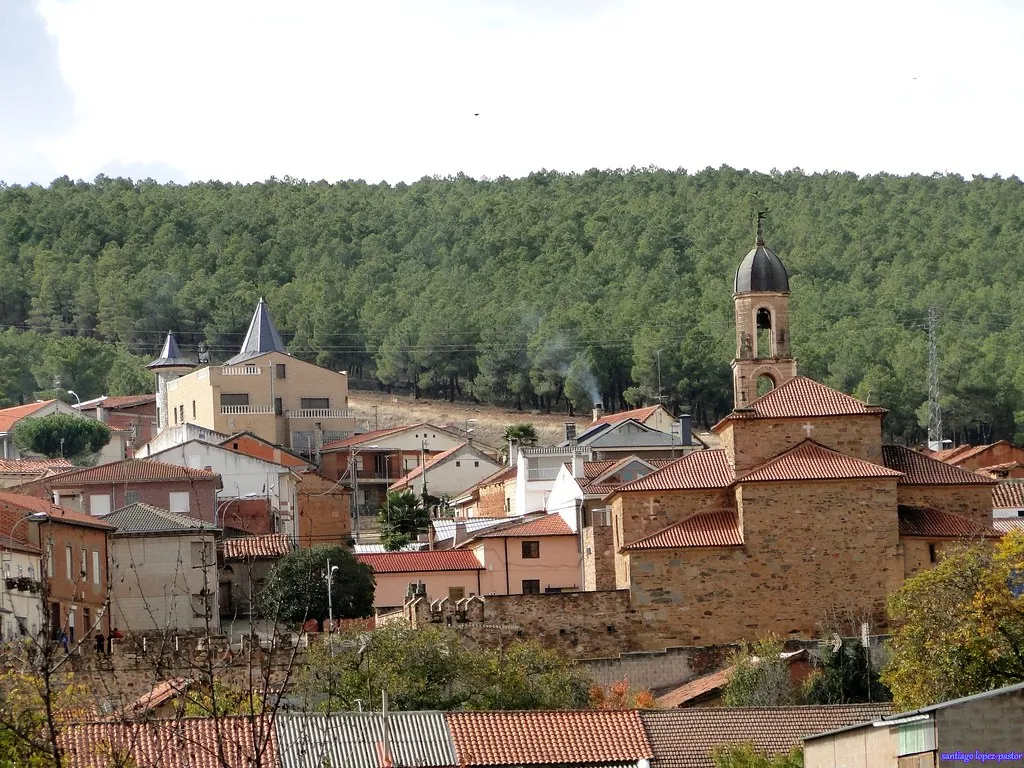
Las casas se agrupan de forma compacta alrededor de la iglesia parroquial. Son viviendas prácticas, con patios interiores y portones amplios que delatan su uso agropecuario. Aquí la arquitectura no era un fin, sino una herramienta más de trabajo.
La iglesia y la arquitectura del adobe
La iglesia de la Asunción domina el perfil del pueblo con su espadaña. El edificio tiene origen medieval, aunque su aspecto actual responde a reformas posteriores, un proceso habitual en las parroquias rurales de la zona con recursos limitados.
En su interior se conservan tallas y objetos de devoción popular de distintas épocas. En un núcleo de este tamaño, la iglesia ha funcionado siempre como punto de reunión y referencia, más allá de lo estrictamente religioso.
La arquitectura doméstica utiliza materiales locales. Predominan el adobe y el tapial, técnicas de tierra compactada propias de las llanuras zamoranas. Algunas viviendas conservan corredores o galerías orientadas al sur, una solución sencilla para secar productos y ganar algo de calor en invierno. El conjunto es funcional, sin ornamentos superfluos.
El paisaje cerealista
Los alrededores se recorren a pie o en bicicleta por los caminos agrícolas. El terreno es plano, las distancias son largas y la sensación de amplitud, constante. El paisaje cambia radicalmente con el ciclo del cereal: el verde intenso de primavera se transforma en el oro del verano, para después dejar la tierra desnuda.
Esta llanura es zona de aves esteparias. Es posible, con paciencia y respetando siempre los cultivos, avistar avutardas o sisones, así como diversos tipos de aguilucho. No hay observatorios ni rutas señalizadas; la experiencia depende del silencio y la atención del visitante.
La vida cotidiana en el pueblo mantiene un vínculo directo con los productos de la tierra: legumbres, cordero y embutidos de la matanza. Para el resto de suministros o servicios, los vecinos se desplazan a Benavente, el mercado natural de la comarca desde hace siglos.
Una visita práctica
Santa María de la Vega es un núcleo pequeño, con servicios muy limitados. Conviene llevar lo necesario. En verano, el sol cae con fuerza sobre los caminos y hay poca sombra fuera del casco urbano.
No es un destino de monumentos destacados. Su interés reside en comprender la organización de un pueblo agrícola de la llanura zamorana y en observar cómo persiste un modo de vida ligado al territorio. El ritmo es tranquilo, las calles están silenciosas y la vida social se concentra en los espacios habituales: la plaza, la iglesia, las puertas de las casas.
El calendario local
Las fiestas principales suelen celebrarse en verano, coincidiendo con el regreso de antiguos vecinos. Este patrón es común en toda la comarca desde mediados del siglo XX, cuando la emigración redujo la población estable. El verano actúa así como época de reencuentro.
La parroquia mantiene las festividades religiosas ligadas al calendario tradicional, como la de la Asunción. Se organizan pequeñas procesiones y comidas comunitarias que reactivan, durante unos días, el papel histórico de la iglesia y la plaza como eje social del pueblo.