Full Article
about Tajueco
Famed for its century-old pottery tradition
Hide article Read full article
A Small Village with No Pretence
If you are considering tourism in Tajueco, come by car and keep your expectations modest. There is no tourist office and no streets designed for long, leisurely strolls. You can park easily at the entrance and walk across the village in a matter of minutes. By mid-morning, you will have seen it all.
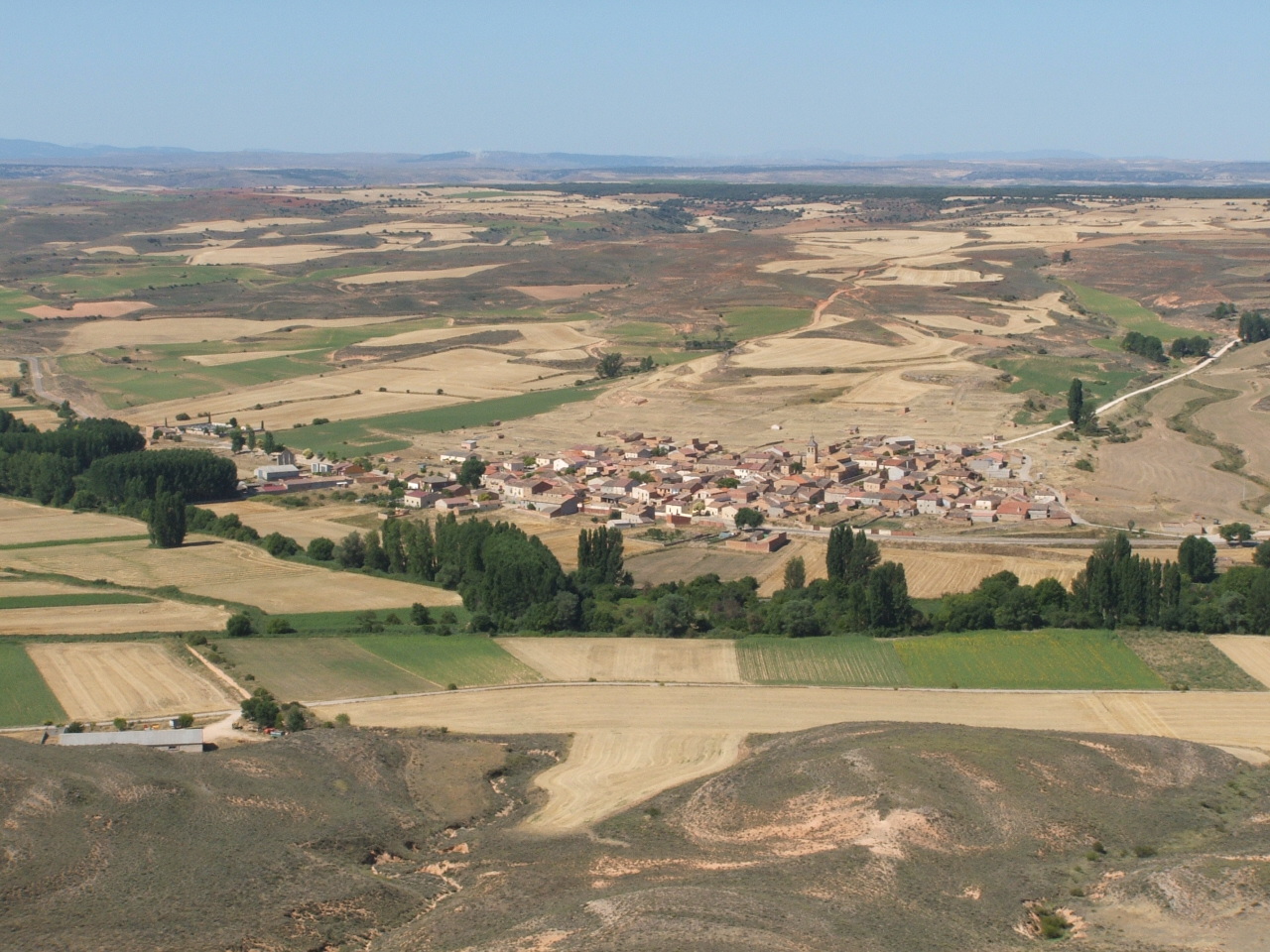
Tajueco has around sixty residents and shares the same layout as many villages in this part of the province of Soria, in Castilla y León. Stone houses line the streets, some restored, others closed up. Large wooden gates open onto courtyards once used for animals and storage. The parish church stands in the centre. It is plain, like almost everything here, and blends into the quiet rhythm of daily life.
This is not a place built around attractions or monuments. It is a working rural settlement that has simply carried on as larger towns drew people away. The pace is slow for most of the year. There is little movement, little noise, and very little that could be described as spectacle. That simplicity is part of its character.
Fields, Tracks and Open Sky
Several dirt tracks lead out from the village into open fields of cereal crops. These paths are suitable for a short walk or a bike ride, provided you do not mind occasionally sharing the way with a tractor. The landscape is open and exposed, typical of inland Soria, with wide horizons and farmland stretching out in every direction.
Season makes a noticeable difference here. In summer, the heat intensifies from midday onwards, and shade is limited once you leave the village centre. In winter, the cold air is felt immediately as soon as you step beyond the shelter of the houses. Spring and autumn are generally the most comfortable times for walking along the surrounding tracks. Temperatures are milder, and the light is softer across the fields.
Autumn sometimes brings people out into the countryside to look for mushrooms, if the season has been good. It is a quiet activity, tied to weather and luck rather than tourism. Tajueco does not organise events around it, but it forms part of the rural routine in the area when conditions allow.
After dark, street lighting is sparse. On clear nights, the sky is often sharply visible, with little artificial light to interfere. Many people from the surrounding area simply head out beyond the last houses to look at the stars. There are no facilities built around this, no viewpoints or panels, just open land and a wide sky.
Food and the Wider Comarca
There are no places to eat in Tajueco itself, so visitors need to travel elsewhere in the comarca. In this part of Soria, it is easy to find traditional Castilian cooking. Expect roast lamb, hearty soups, seasonal game and mushrooms when available. The cuisine reflects the climate and landscape, based on simple, filling dishes suited to cold winters and agricultural life.
Tajueco functions better as a short stop on a route through the Berlanga area than as a destination in its own right. Berlanga, mentioned locally as a reference point, gives context to the surrounding villages. Travellers exploring this part of the province often move between small settlements, Romanesque churches and stretches of open countryside. Tajueco fits into that pattern as a pause rather than a focal point.
Spending an hour here is usually enough. A slow walk through the streets, a look at the church, a brief wander along one of the tracks and then back to the car. There is no suggested itinerary and no need for one.
August Festivities and the Rest of the Year
The village becomes livelier in August, when the annual fiestas take place. This is when people who now live elsewhere return, and the population temporarily increases. The celebrations are simple and organised by the residents themselves. There is Mass, long shared meals and modest activities that bring neighbours together.
Outside that period, the rhythm is calm. Daily life follows a steady pattern shaped by the seasons rather than by visitors. The contrast between August and the rest of the year is noticeable, though even at its busiest Tajueco remains small.
Reaching the village requires a car. The road from Soria passes through Berlanga, connecting Tajueco to the wider province. Public transport barely serves this area, so access depends on private vehicles. That practical detail influences the kind of visit most people make. Tajueco is not somewhere stumbled upon by accident; it tends to be part of a planned drive through rural Soria.
A Short Visit, Nothing More
Tajueco does not promise entertainment or distraction. Its appeal, if that is the right word, lies in its ordinariness. Stone houses, open fields, a quiet church and broad skies define the experience. The visit is brief and uncomplicated.
The clearest advice is simple: come as you pass through, without an elaborate plan. Walk around, take in the surrounding landscape and then continue your route through the comarca. The stop will be short. And that is perfectly fine.