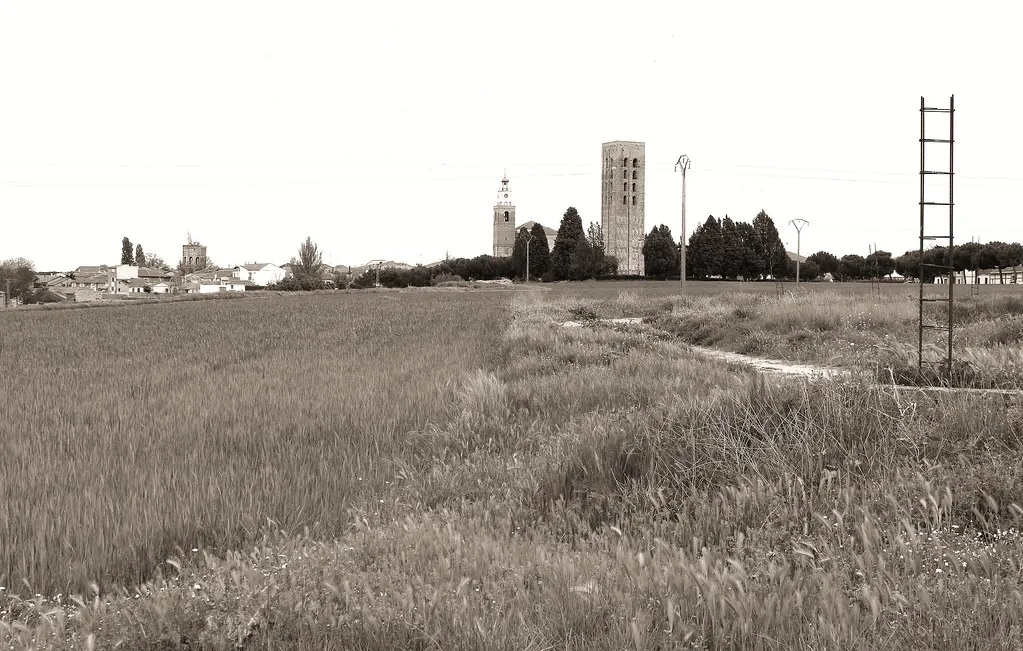
Vista aérea de Escarabajosa de Cabezas
Instituto Geográfico Nacional · CC-BY 4.0 scne.es
Castilla y León · Cradle of Kingdoms

Escarabajosa de Cabezas

The church bell strikes noon, yet shadows fall sharp and short across Escarabajosa de Cabezas. At 884 metres above sea level, the air carries a cla...

269 inhabitants · INE 2025
884m Altitude

Why Visit

Mountain Church of San Benito Rural walks

Best Time to Visit

summer

San Benito Festival (August) agosto

Things to See & Do
in Escarabajosa de Cabezas

Heritage

  • Church of San Benito
  • Hermitage of the Christ

Activities

  • Rural walks
  • Local festivals

Festivals
& & Traditions

Fecha agosto

Fiestas de San Benito (agosto)

Las fiestas locales son el momento perfecto para vivir la autenticidad de Escarabajosa de Cabezas.

Full Article
about Escarabajosa de Cabezas

Agricultural municipality with a notable church; known for its traditions and proximity to the autovía.

Ocultar artículo Leer artículo completo

The church bell strikes noon, yet shadows fall sharp and short across Escarabajosa de Cabezas. At 884 metres above sea level, the air carries a clarity that makes the cereal plains shimmer like hammered silver. This is Castilian high country, where the Meseta suddenly remembers it's meant to be a plateau and tilts upwards towards the Sierra de Guadarrama.

Stone, Adobe and the Smell of Rain on Dry Earth

Most visitors race past on the A-60, bound for Segovia's aqueduct twenty minutes down the road. Those who turn off find a village that never bothered learning how to pose for photographs. The houses—some dating to the seventeenth century—are built from the same limestone that lies beneath the wheat fields. Walls bulge slightly, built from stone at the base, adobe above, topped with terracotta tiles whose orange has mellowed to tobacco brown. There's no architectural uniformity, just the accumulated logic of people using what the land gave them.

The Iglesia de San Andrés squats at the village's highest point, its squat tower more fortress than belfry. Inside, the single nave feels oddly spacious after the narrow lanes outside. A Romanesque arch survives from an earlier church, but most of the building speaks of fifteenth-century pragmatism: thick walls to survive winters where temperatures can drop to -10°C, small windows to keep out the summer heat that regularly tops 35°C. The priest visits twice a month; otherwise the building stays locked. Ask at the ayuntamiento—housed in what used to be the village school—and they'll usually track down the key within ten minutes.

Walking Where Shepherds Still Count Sheep by Name

Three marked footpaths radiate from the village, following ancient drove roads that once carried wool to Segovia's textile mills. The shortest—five kilometres to the neighbouring village of Torrecaballeros—crosses fields of wheat and barley that roll like a calm sea towards the horizon. In April the crop stands ankle-high, an impossible green that seems to glow from within. By late June the stalks have turned golden, heavy heads nodding in a wind that smells of dry earth and wild thyme.

The paths are easy going—this is agricultural plateau country, not mountain terrain—but the altitude makes itself felt. Even fit walkers find themselves breathing harder than expected. Carry water; there's none en route, and summer sun at this height burns faster than on the coast. Spring and autumn provide the best walking: winter can bring sudden snowstorms that transform the landscape within hours, while August heat turns the exposed tracks into a trudge across a giant griddle.

Birdlife rewards the patient. Calandra larks rise from the wheat singing their metallic trill. Red-legged partridge explode from roadside cover in heart-stopping coveys. On still evenings, stone curlews call from the fields with a cry like fingernails across glass.

The Table that Time Forgot

Escarabajosa's three cafés all serve essentially the same menu, and have done for decades. The speciality isn't innovation but consistency: judiones beans stewed with chorizo, eggs from hens that scratch in backyard coops, lamb that grazed on the surrounding hillsides until yesterday. Prices hover around €12 for a three-course menú del día—cash only, though one bar now accepts cards if the machine feels like working.

The weekend asado draws families from Segovia city. They arrive around 2pm, three generations cramming around oilcloth-covered tables to eat cochinillo (suckling pig) whose crackling shatters like sugar glass. The wine comes from Valdepeñas, ordered by the litre in plain glass jugs. It tastes of nothing in particular but costs less than bottled water and slides down dangerously easily in the thin mountain air.

For self-caterers, the small shop opens 9-11am then 5-7pm, following a timetable that predates convenience culture. Stock up in Segovia if you need anything fancier than tinned tuna, local cheese and the excellent chorizo made by the mayor's cousin.

When the Village Doubles in Size

August's fiesta transforms Escarabajosa. The population—officially 495, though many younger residents work in Segovia and only return at weekends—temporarily swells to over a thousand. The paella popular feeds 600 people in the main square, cooked in pans two metres wide and stirred with oars. Brass bands play until 4am; locals insist the music sounds better after the third bottle of tinto.

September brings the fiesta de la vendimia, a low-key celebration of the grape harvest that involves more actual work than tourist show. Visitors are welcome to help pick the small plots of vines that survive from pre-phylloxera days. Payment comes in the form of an enormous lunch and enough wine to make the afternoon picking go pleasantly fuzzy round the edges.

Winter festivals feel more intimate. On Día de los Santos Innocentes (28 December), villagers perform los enlutados—a mock funeral procession for a living resident chosen by lottery. The 'corpse' must lie in the church porch while mourners wail exaggerated grief, before being 'resurrected' with copious amounts of aguardiente. It's either hilarious or deeply unsettling, depending on your taste for Spanish village humour.

Getting There, Staying There, Leaving Again

No trains serve Escarabajosa. Buses run twice daily from Segovia's main station, taking 35 minutes along a route that stops at every hamlet. The service reduces to once daily on weekends—Saturday's 11am departure returns at 7pm, which gives just enough time for lunch and a walk before the village shuts down for siesta.

Driving proves easier. Take the A-60 north from Segovia, exit at kilometre 67, follow signs for 'Polígono Industrial' then watch for the brown tourist sign pointing left after the petrol station. The road climbs steadily; ears pop as altitude increases. Parking's free anywhere that doesn't block a farm gate.

Accommodation means either the eight-room Hostal El Carmen (€45 double, heating extra in winter) or renting one of three village houses through the ayuntamiento. These cost €60-80 nightly, sleep four to six, and come with fully equipped kitchens plus the occasional religious print that watching you cook. Book ahead for fiesta weekends; otherwise just turn up—someone will produce a key within twenty minutes.

The village makes no attempt to keep you. By 10pm the streets empty, shutters roll down, silence falls broken only by dogs barking across the valley. It's the kind of place that gives you exactly what you bring: nothing to buy, little to do, but space to breathe air that tastes of wheat fields and centuries of sheep. Some visitors last two hours before fleeing back to Segovia's tourist restaurants. Others find themselves still there three days later, helping an elderly farmer fix a dry-stone wall and wondering why city life ever seemed important.

Either reaction proves Escarabajosa's point. The village never asked to be discovered; it was doing fine at 884 metres, growing wheat and raising sheep and occasionally remembering to unlock the church. Come if you want, leave when you must. The wheat will still turn gold in June, the stone walls will still outlast us all, and the plateau wind will still carry the smell of dry earth across an ocean of grain.

Key Facts

Region
Castilla y León
District
Campiña Segoviana
INE Code
40074
Coast
No
Mountain
Yes
Season
summer

Livability & Services

Key data for living or remote work

2024
Connectivity5G available
HealthcareHospital 15 km away
EducationElementary school
Housing~5€/m² rent · Affordable
CoastBeach 18 km away
January Climate4.4°C avg
Sources: INE, CNMC, Ministry of Health, AEMET

Planning Your Visit?

Discover more villages in the Campiña Segoviana.

View full region →

More villages in Campiña Segoviana

Traveler Reviews