Full Article
about Fuentepelayo
Town with a historic agricultural fair; noted for its architecture and cultural activity.
Ocultar artículo Leer artículo completo
The tractor arrives at 7:23 am. Every morning, same time, same spot outside Bar Central. The driver hops down, leaves the engine running, and disappears inside for his cortado. Nobody bats an eyelid. In Fuentepelayo, population 764, this counts as rush hour.
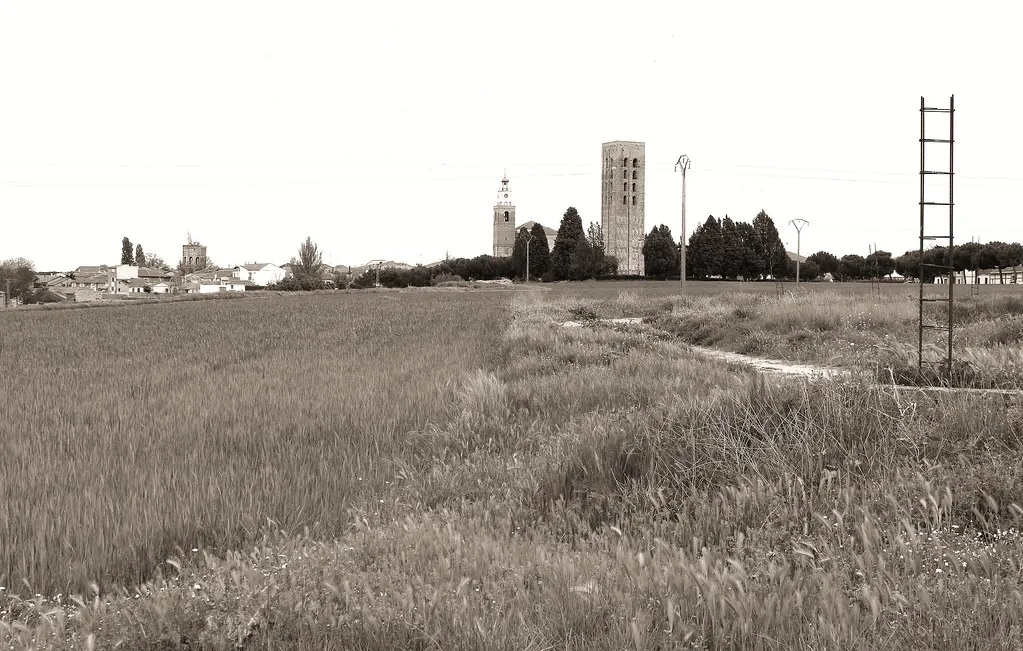
Sixty kilometres south of Segovia's famous aqueduct, the province reveals its quieter face. Here, the Campiña Segoviana spreads flat as a billiard table, broken only by low hills and villages that appear as stone islands in an ocean of cereal. Fuentepelayo sits square in this agricultural heartland, where the calendar still governs life more than any tourist board ever could.
The village that time forgot to monetise
Walk the main street and you'll notice something odd. No gift shops. No menus in four languages. No medieval festival being hawked on laminated posters. Just a butcher's with rabbit hanging by the back legs, a bakery that sells out by 10 am, and houses where the front doors stay open because everyone knows everyone anyway.
The church tower, built from local stone and brick, rises above low roofs like a weather vane for the faithful. It's not Segovia cathedral – nothing close – but it anchors the village in the way these things do. Inside, the air carries centuries of incense and candle wax. The priest still lives next door. His housekeeper still beats rugs over the balcony on Thursdays.
Plaza Mayor functions as outdoor living room, car park, and social club rolled into one. Old men occupy the benches in strict rotation, discussing rainfall and football with equal passion. Women queue at the small supermarket, trolleys half-filled with chickpeas and tinned tomatoes. Children career about on bikes long past their British bedtime, because here the plaza remains safe enough for eight-year-olds to navigate alone after dark.
What the guidebooks don't tell you
Spring arrives suddenly, usually mid-April, when the wheat turns electric green overnight. The landscape becomes almost painfully vivid, set against skies so wide they make first-time visitors slightly dizzy. Summer brutalises everything. Temperatures touch 40°C regularly. The fields bleach to pale gold. Shade becomes currency, and sensible people schedule their lives around it.
Autumn brings relief and colour changes that would make a Home Counties gardener weep. The stubble burns in controlled squares, sending up thin columns of smoke that drift for miles. Winter strips the land bare. Winds whip across from the Guadarrama, carrying dust that finds every crack in doors and windows. This is when Fuentepelayo feels most remote, despite being barely an hour from Madrid's airport.
The village makes no concessions to delicate sensibilities. Streets are swept, yes, but nobody's pressure-washing medieval stone for Instagram. Houses need painting. Dogs roam freely, though they know exactly which door belongs to them. If you want manicured perfection, drive north to Pedraza and pay €4 for a coffee. Here, espresso still costs €1.20 and comes with a free biscuit.
Eating like you mean it
Food arrives without fanfare but with serious intent. Bar Central serves cocido on Tuesdays – the hearty chickpea stew that built Castile – in portions that defeat most British appetites by the second course. The lechazo (roast suckling lamb) emerges from wood-fired ovens so tender it surrenders at the touch of a fork. No jus drizzles. No micro-herbs. Just meat, salt, and the fat that makes cardiologists wince.
Local wine arrives in unmarked bottles, poured from height into small glasses. It's rough, honest, and costs €6 a litre. The cheese comes from a cooperative twenty kilometres away, made from sheep that graze these exact fields. It tastes of thyme and sunshine and something indefinably Spanish that supermarket manchego never quite captures.
Vegetarians struggle. This is meat country, has been since the Reconquista, and nobody's apologising. Even the vegetable dishes contain ham. Best strategy: embrace the chickpeas, order tortilla at every opportunity, and pretend jamón is a vegetable.
When to arrive, how to leave
Public transport barely exists. One bus daily connects to Segovia, departing at dawn and returning at dusk. Miss it and you're sleeping in the plaza. Car hire from Madrid airport takes 90 minutes via the A-6 and N-110. Roads are good, empty, and scenic in that austere Castilian way. Petrol stations thin out after Arévalo – fill up when you can.
Accommodation means private rentals. Three village houses offer rooms on booking sites, priced €40-60 nightly. They're spotless, furnished in that Spanish-granny style: dark wood, lace doilies, and beds firm enough to trouble bad backs. One has a roof terrace overlooking wheat fields that stretch to the horizon. Sunrise up there feels like watching the world get switched on.
Stay two nights maximum unless you really enjoy your own company. Fuentepelayo works as pause, not destination. Base yourself here, explore the surrounding villages – Cantalejo's pottery, Carbonero el Mayor's bullring, the strange limestone cliffs at Hoces del Río Duratón. Return each evening to watch tractors rumble home and feel time slow to agricultural pace.
The honest truth
Fuentepelayo won't change your life. There are no epiphanies waiting in the plaza, no spiritual awakenings triggered by wheat fields. What you get is simpler: Spain stripped of tourism's gloss, functioning exactly as it has for decades, indifferent to whether you arrived or not.
Some find this refreshing. Others find it dull beyond words. The village offers no entertainment beyond what you create. Evenings mean drinking wine slowly, watching swallows dive-bomb the church tower, and listening to conversations you barely understand. It's either heaven or purgatory, depending on your capacity for stillness.
Come if you're curious about the Spain that exists beyond flamenco and sangria. Don't come seeking authenticity – that's travel industry nonsense. Come instead to witness ordinary lives lived well, according to rhythms older than package tours. Just remember to step aside when the tractor needs past. Some things matter more than tourism.