Full Article
about Juarros de Riomoros
Small village on the banks of the Moros river; pleasant, quiet setting
Hide article Read full article
Juarros de Riomoros es el pueblo que te encuentras cuando te has perdido buscando otro. O cuando decides seguir una carretera secundaria solo para ver dónde termina. Tiene cincuenta y tres habitantes, está en medio de la Campiña Segoviana, y lo primero que notas al bajar del coche es el silencio. Un silencio físico, de esos que pesan.
Aquí no hay calles empedradas para la foto. Hay tractores aparcados junto a las casas de adobe, corrales que huelen a animal vivo, y miradas curiosas porque un coche con matrícula foránea todavía llama la atención. Es ese tipo de sitio.
La arquitectura sin postureo
Las casas son de piedra y adobe, con tejados de teja árabe ya torcidos por los años. No están restauradas para gustar; están vivas, remendadas con lo que había a mano en cada década. La puerta de madera desconchada, la cuadra anexa, la bodega excavada en la tierra al fondo del patio. Es un paisaje construido con utilidad, no con estética.
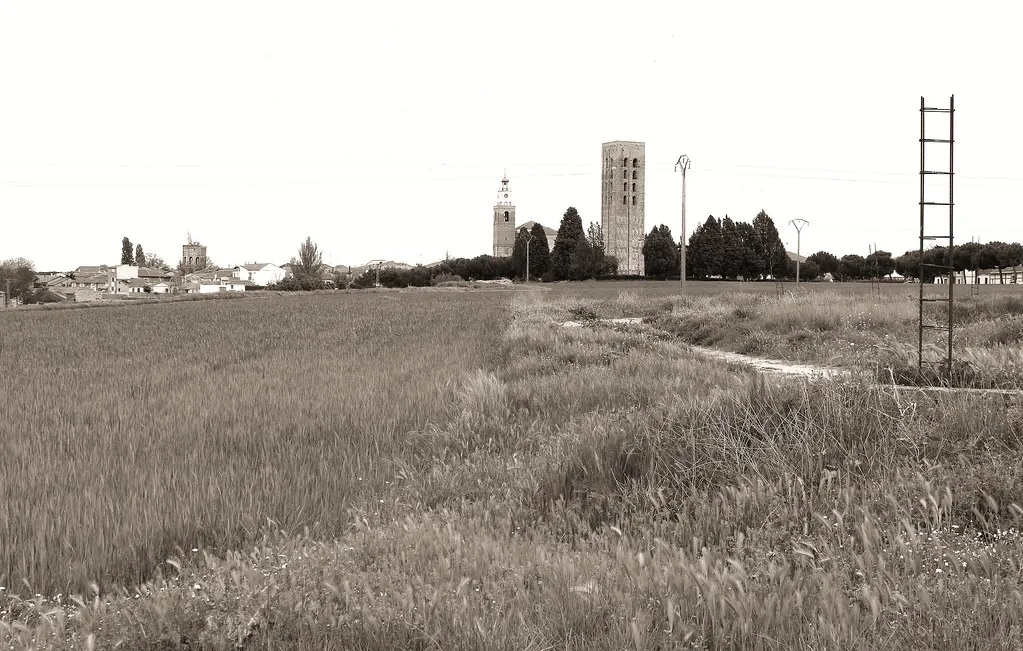
La iglesia de San Miguel es el edificio que sobresale. Ni grande ni especialmente antigua comparada con otras de la provincia, pero es el punto de referencia. En un núcleo tan pequeño, la iglesia sigue marcando el centro geográfico y el calendario.
Puedes recorrerlo todo en veinte minutos: la Calle Mayor, la plaza diminuta y dos o tres callejones que se acaban en los corrales o en el campo. El interés no está en ver cosas, sino en fijarte en los detalles. En cómo una ventana nueva convive con una pared de piedra del siglo pasado.
Los caminos del pan
Varias pistas de tierra salen del pueblo y se adentran entre los campos de cereal. No son rutas de senderismo señalizadas; son los caminos de siempre, los que usan los tractores y los rebaños.
Puedes andar por ellos sin rumbo fijo. El terreno es llano, el horizonte amplio y plano. En verano, el campo es un mar dorado; en invierno, una tierra morena en reposo. El sonido es el del viento o, si hay suerte, el lejano motor de un agricultor trabajando.
En otoño, esta zona se llena de gente buscando setas. Es una actividad seria aquí: si no sabes, no toques. La gente del lugar conoce los rincones y las especies. Si vas por libre, más te vale informarte bien antes.
El cielo cuando se apagan las luces
Si te quedas al anochecer, pasa algo que en las ciudades hemos olvidado: se hace de noche de verdad. La contaminación lumínica es casi nula. Con alejarte cien metros del último portalón ya tienes un telón negro sobre tu cabeza.
No hace falta telescopio. Apaga las luces del coche en una pista y mira arriba. La diferencia con el cielo anaranjado de Madrid o Segovia es abismal. Es lo más parecido a un espectáculo que ofrece Juarros, y ni siquiera lo saben.
Comer (pero no aquí)
En Juarros no hay bares ni restaurantes. Para comer hay que moverse a alguno de los pueblos cercanos más grandes, donde suelen servir la cocina contundente de la provincia: asados de cordero o cochinillo, judiones, embutidos de la matanza.
Es comida para gente que trabaja el campo, sin florituras ni presentaciones para Instagram. Si buscas un lugar concreto para recomendar… no puedo hacerlo sin romper las reglas internas de la revista (y sin que me cambien la cerradura). Pero pregunta a cualquiera con pinta de llevar toda la vida allí; suele funcionar.
Las fiestas del verano
Las fiestas patronales son en verano alrededor del día San Miguel (29 septiembre). Son tres días donde el pueblo duplica su población porque vuelven los familiares.
Hay música en la plaza (alta), alguna comida comunal y una procesión corta por las pocas calles. No es un espectáculo para turistas; es el reencuentro anual de una comunidad muy pequeña. Es curioso ver cómo durante esos días cambia completamente el ambiente: pasas del silencio absoluto al bullicio familiar intenso durante 72 horas… y luego vuelta a empezar.
¿Merece la pena parar?
Depende totalmente de lo que busques. Si quieres monumentos impresionantes o un pueblo museo como Pedraza… sigue conduciendo. Si quieres entender cómo es realmente la vida rural en esta parte Segovia –sin decorados– entonces sí. Para mí tiene sentido como parada breve dentro una ruta más amplia por Campiña Segoviana. Ven caminado sus calles cortísimas mira bien las fachadas date un paseo por algún camino entre cereales espera a que anochezca mira arriba sigue tu viaje A veces viajar consiste simplemente eso: comprobar que otros ritmos siguen existiendo