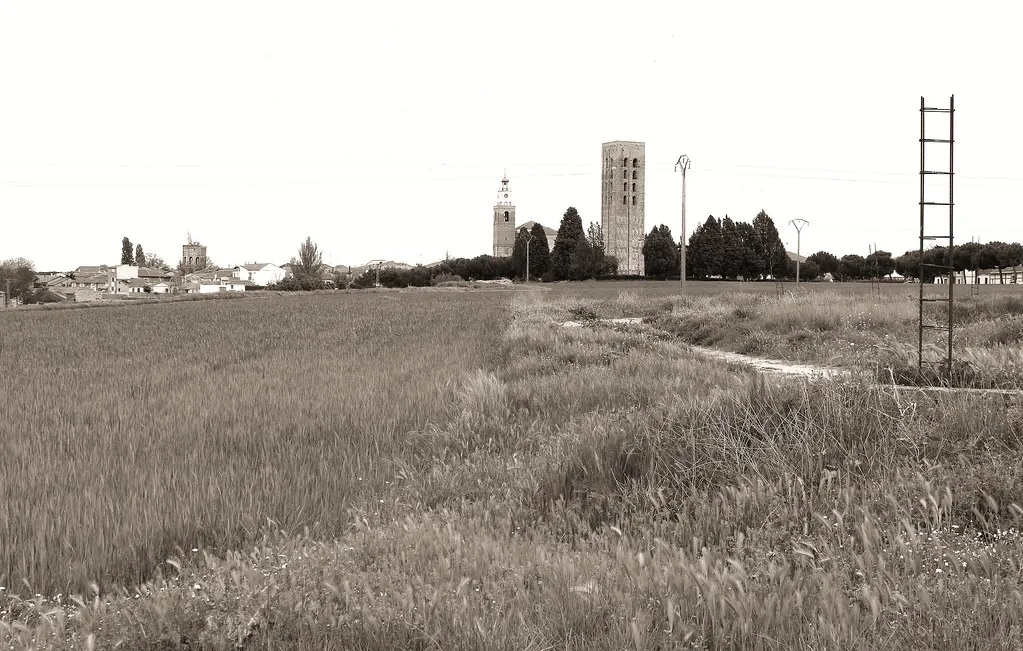
Vista aérea de Lastras del Pozo
Instituto Geográfico Nacional · CC-BY 4.0 scne.es
Castilla y León · Cradle of Kingdoms

Lastras del Pozo

The only traffic jam in Lastras del Pozo happens at dusk when a farmer herds his twenty-odd sheep across the single-lane road that doubles as the h...

55 inhabitants · INE 2025
965m Altitude

Why Visit

Mountain Church of San Juan Historic sites

Best Time to Visit

summer

San Juan Festival (June) junio

Things to See & Do
in Lastras del Pozo

Heritage

  • Church of San Juan
  • Tower of Lastras

Activities

  • Historic sites
  • Walks

Festivals
& & Traditions

Fecha junio

Fiestas de San Juan (junio)

Las fiestas locales son el momento perfecto para vivir la autenticidad de Lastras del Pozo.

Full Article
about Lastras del Pozo

Small municipality with a prominent medieval tower; set on a plain.

Ocultar artículo Leer artículo completo

The only traffic jam in Lastras del Pozo happens at dusk when a farmer herds his twenty-odd sheep across the single-lane road that doubles as the high street. The animals clip-clop past the church, past the one bar with its metal shutter half-down, past the stone houses whose doors are painted the same ox-blood red they’ve worn since the 1950s. No one honks. The shepherd raises a hand, the way drivers do on single-track lanes in Northumberland, and the queue—two cars and a cyclist—waits.

At 965 m on the Segovian plateau, the village sits above the summer haze that smothers Madrid an hour and a half to the south. The air is thin and dry; the night sky still looks like the star charts you remember from primary-school geography. Fifty-six residents are registered, though on a weekday in March you’ll meet perhaps six of them. The rest are in Sepúlveda collecting pensions, or in the fields checking wheat that won’t be knee-high until late May.

What passes for a centre

The plaza is a rectangle of gravel the size of a tennis court. A stone cross stands in the middle, erected in 1975 and already softened by lichen. Benches face inwards, encouraging conversation, but most afternoons the only sound is the creak of a weather vane turning above the town hall—an upstairs room with a bell that still tolls the Angelus at noon.

The parish church is locked unless you coincide with the Saturday-evening mass. Even then, the door opens straight into a single nave that holds thirty people shoulder-to-shoulder. The bell-tower is Gothic, grafted onto earlier masonry, and it photographs best from the lane that drops towards the dry streambed: stone against cereal fields, no wires in the way.

There is no shop. The bakery van calls on Tuesday and Friday at 10:30; bread sells out in twelve minutes. Ice-cream arrives in summer, driven by the same man who brings chestnuts in October. If you miss him, the nearest loaf is 12 km away in Valdevacas de Montejo, population 112.

Walking without way-marks

Lastras makes no concession to the outdoor-gear industry. Footpaths exist because villagers still use them to reach their plots; they are not colour-coded, graded or sponsored by an energy-drink brand. Buy the 1:50,000 Adrados/Segovia map before you leave Britain, or simply walk out past the last house and keep the cereal stripes on your left. Within twenty minutes you are alone under a sky that feels three times wider than any in the Home Counties.

Spring brings calandra larks and a haze of green; autumn smells of crushed thyme and gunmetal after rain. Summer walking is best done before nine o’clock—temperatures touch 34 °C by eleven—and winter can slice the mercury to –8 °C, when the plateau turns the colour of parchment and the tracks harden like concrete. Proper boots and a set of telescopic poles save ankles in the gullies.

A gentle circuit east to Lastras de Cuéllar (abandoned school, population two) takes ninety minutes; extend it south to the ruins of the Roman causeway at La Velilla and you have a half-day loop with 200 m of ascent—enough to raise a sweat, nothing that requires Kendal mint cake.

Eating (or not) in situ

The bar opens at 10 a.m. and may close again at 2:30 if the owner drives to Segovia for stock. Coffee is €1.20, poured from a metal jug that has steamed since 1987. A plate of sopa castellana—garlic, paprika, day-old bread and, unless you protest, a poached egg—costs €4 and will keep you full until supper. There is no menu del día, no vegetarian option, no card machine. Bring cash and patience; service is friendly but unhurried, conducted between phone calls about tractor parts.

For anything more elaborate you drive fifteen minutes to Sepúlveda, where Casa Cándido has been roasting milk-fed lamb since 1907. Half a lechazo for four people is €58; order before noon or they’ll be sold out. Valtiendas reds start at €11 and taste like Tempranillo that has spent a term in Bordeaux—light enough for lunch, serious enough for the lamb fat.

Self-caterers should stock up in Sepúlveda’s Día supermarket on the way in. The village fridges are small; plan for two meals a day and a stash of olives the size of conkers.

Where to lay your head

Casa Rural Los Tres Soles has four doubles, a pool fed by mountain spring water and a living-room fireplace big enough to stand in. Mid-week in April runs €140 per night for the house; weekends fill with Madrid families fleeing screen time. Wi-Fi copes with Zoom, though the router is reset by a cat that sleeps on the hot cupboard.

Next door, Casa Rural Apol sleeps twelve under oak beams hauled from a 19th-century railway. Under-floor heating keeps flagstones warm when the plain is white with frost; nights drop to –5 °C in January but the house stays cosy. Whole-house rental is €220, cheaper per head than a Travelodge outside Milton Keynes.

Both places leave a bottle of local wine on the table and a note: “If you need anything, ask at the bar after six.” They mean it; the owner keeps spare keys for half the village.

When to come—and when to stay away

April and May are the kindest months: green wheat, limestone scented like wet chalk, daytime 18–22 °C. September repeats the trick with added grape harvest and purple saffron crocus in the verges. August is hot, still and crowded—relatively speaking. The population triples as grandchildren arrive; the plaza hosts a disco one Saturday night that doesn’t finish until the priest complains at 3 a.m. Book then only if you enjoy chatting to teenagers about Madrid United and drinking litre bottles of Mahou.

November can be magical: crisp air, cranes flying south, log smoke threading from every chimney. It can also be grim: horizontal rain, mud that clogs trainers, a week when no bakery van comes because the driver has flu. Check the ten-day forecast and pack waterproof trousers.

Getting here without tears

Fly to Madrid, take the half-hourly AVE to Segovia-Guiomar (28 min, €12 if booked ahead), then collect a pre-arranged car. The A-601 north is dual-carriageway until the Sepúlveda turn-off; after that it’s single-track but empty. Total driving time from terminal to village: 75 minutes, shorter than the crawl from Heathrow to Hammersmith at rush hour.

Do not attempt by public bus. The weekday service from Segovia to Lastras de Cuéllar stops at the crossroads 3 km away; the walk is flat but shadeless and the timetable changes with the grain price. Taxis from Segovia cost €70—more than a day’s car hire.

The honest verdict

Lastras del Pozo will not change your life. You will not tick off Unesco sites, nor brag about cocktails at 2 a.m. You may, however, remember what it feels like to hear your own boot soles on gravel, to drink wine that hasn’t travelled farther than you have, and to realise that the loudest thing at night is your heartbeat. Bring a book, a map and a sense of rhythm slower than Wi-Fi. The village supplies the rest—gratis, no crowds, no gift shop.

Key Facts

Region
Castilla y León
District
Campiña Segoviana
INE Code
40111
Coast
No
Mountain
Yes
Season
summer

Livability & Services

Key data for living or remote work

2024
TransportTrain 14 km away
HealthcareHospital 18 km away
EducationElementary school
Housing~5€/m² rent · Affordable
CoastBeach 20 km away
January Climate4.4°C avg
Sources: INE, CNMC, Ministry of Health, AEMET

Official Data

Institutional records and open data (when available).

  • TORRE DE LOS MERCADO-PEÑALOSA
    bic Monumento ~1.1 km

Planning Your Visit?

Discover more villages in the Campiña Segoviana.

View full region →

More villages in Campiña Segoviana

Traveler Reviews