Full Article
about Montejo de Arévalo
On the border with Ávila; noted for its Mudéjar church and surrounding plain.
Hide article Read full article
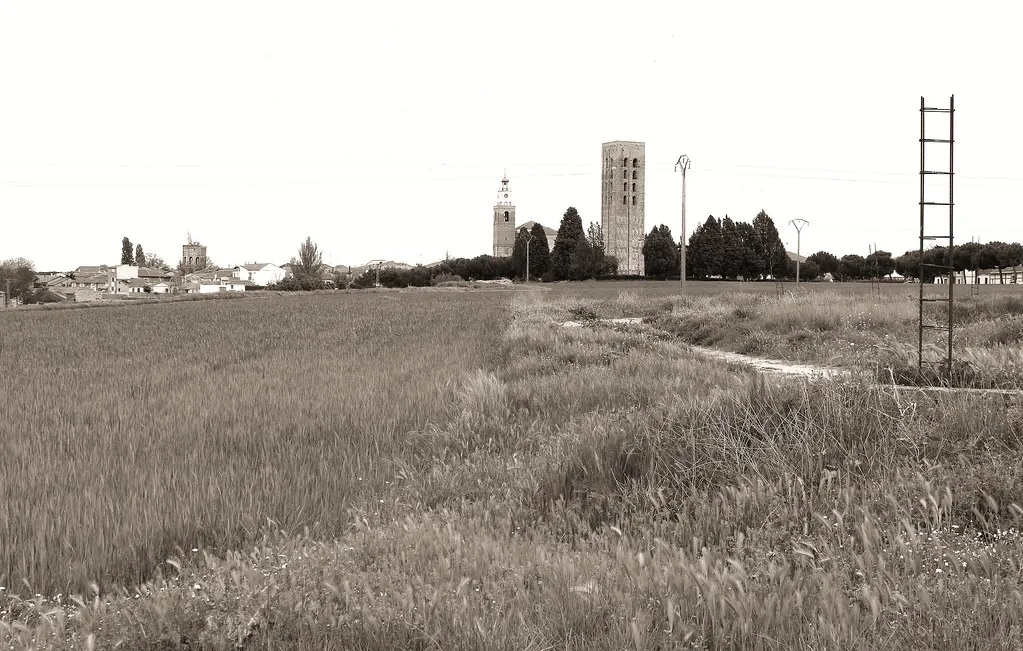
Montejo de Arévalo en la llanura segoviana
En la Campiña Segoviana, la llanura se extiende hasta donde alcanza la vista. Montejo de Arévalo forma parte de esa geografía plana, un núcleo de poco más de ciento cincuenta habitantes rodeado por campos de cereal. La vida aquí sigue vinculada al ciclo agrícola, como en la mayor parte de los pueblos de esta comarca.
Queda a menos de diez kilómetros de Arévalo, una distancia que lo convierte en una opción para quien busque alojarse fuera del núcleo principal. El paisaje es el protagonista: un horizonte abierto, sin relieves bruscos, que define el carácter de esta parte del interior de España.
Iglesia y arquitectura rural
La iglesia parroquial, de ladrillo, ocupa el centro del pueblo. Su estructura es sobria, propia de las construcciones religiosas rurales de Castilla. La torre del campanario sirve de soporte para los nidos de cigüeña, un elemento habitual en el paisaje sonoro de la meseta durante la primavera.
El edificio muestra rasgos del mudéjar, un estilo que dejó su huella en buena parte de la arquitectura de la región. Se aprecia en el uso del ladrillo visto y en algunos detalles ornamentales, herencia de los artesanos musulmanes que trabajaron en territorios cristianos.
Pasear por sus calles es un ejercicio de reconocimiento de la arquitectura popular. Muchas viviendas están construidas con adobe y tapial, técnicas tradicionales adaptadas al clima continental. Son frecuentes los grandes portones de madera y las rejas de forja en las ventanas. Algunas casas conservan aún la solana o el corredor de madera, un espacio útil para el trabajo y la vida en verano.
Desde las afueras del pueblo, las vistas abarcan kilómetros de campo segoviano. A finales de junio, los campos de cereal adquieren un tono dorado intenso. Una red de caminos agrícolas permite adentrarse en ese paisaje. La relación entre el pueblo y la tierra que lo sustenta se hace evidente aquí: trabajo, llano y cielo.
Por los caminos del cereal
Los caminos que parten de Montejo son llanos y transitables la mayor parte del año. Se pueden recorrer a pie o en bicicleta sin dificultad técnica; el requisito es llevar agua y protección solar, pues la sombra es un bien escaso.
Esta es una zona donde se puede practicar la observación de aves con paciencia. Es habitual ver rapaces sobrevolando los cultivos, junto con cigüeñas y avutardas, especies propias de los terrenos abiertos. Los avistamientos son más frecuentes entre marzo y agosto.
La gastronomía de la zona se basa en productos contundentes: el lechazo asado, las legumbres y los derivados del cerdo. En Montejo no hay establecimientos hosteleros, pero en Arévalo se encuentran varios sitios donde probar estos platos.
Aprovechar la cercanía de Arévalo completa la visita. Su conjunto de iglesias mudéjares, el castillo medieval y la plaza mayor aportan contexto histórico a la sobriedad rural de Montejo.
El ritmo local
Las fiestas patronales se celebran en verano, normalmente en agosto. Son una celebración local, con procesión, misa y actos vecinales. No están pensadas para el turismo, sino como un punto de encuentro para los residentes.
Fuera de esas fechas, el calendario lo marcan los ciclos del campo: la siembra, el crecimiento y la cosecha. El cambio cromático de los terrenos —del verde al oro y después al marrón— estructura el año.
Una visita tranquila
Recorrer Montejo de Arévalo no lleva más de una hora. El interés está en el conjunto: el núcleo de casas bajas, la iglesia, la llanura que lo envuelve. No hay monumentos destacados ni una postal única.
El valor del pueblo reside en su normalidad, en ser un ejemplo de cómo se vive aún en buena parte de la meseta castellana. La experiencia pasa por entender ese ritmo, marcado por la agricultura y un paisaje donde el cielo tiene más peso que la arquitectura. En invierno, los días cortos y los campos en barbecho le dan un carácter más austero; en verano, la luz cambia por completo su atmósfera.