Full Article
about Pinarnegrillo
Agricultural village with nearby archaeological remains; authentic rural atmosphere
Hide article Read full article
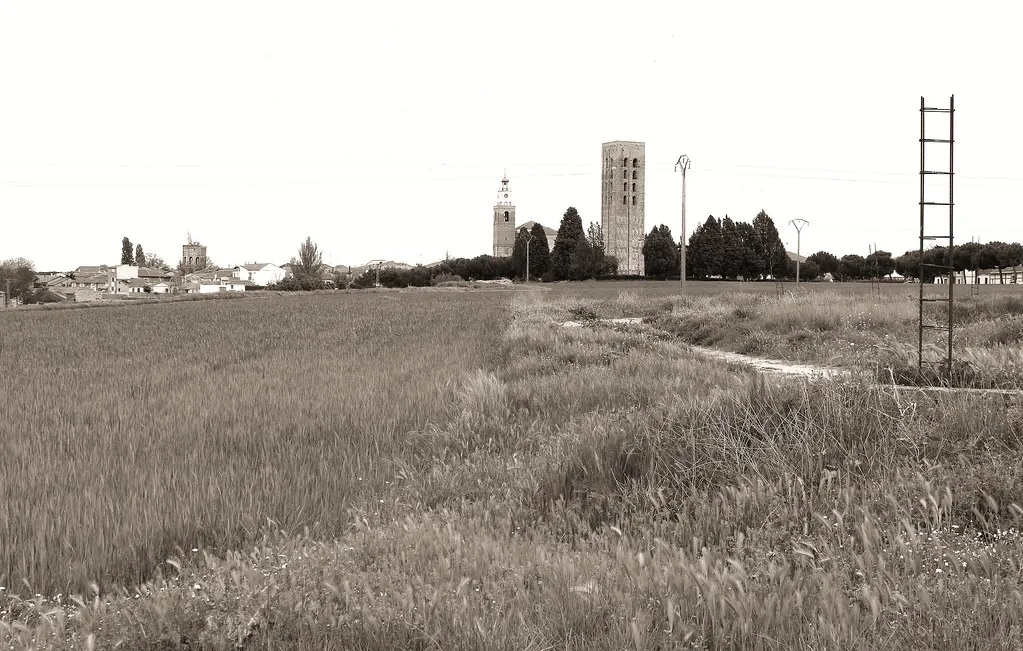
A las nueve de la mañana, los campos alrededor de Pinarnegrillo aún conservan la humedad de la noche. El suelo desprende ese olor terroso que aparece cuando el sol empieza a ablandar la escarcha. Se oye una alondra, y poco más. La luz, todavía pálida y fría, cae sobre los tonos ocres y verdes de la Campiña Segoviana, un paisaje ancho y abierto donde no hay árboles que corten el horizonte.
Pinarnegrillo se asienta en una llanura cerealista de la provincia de Segovia, a unos 850 metros sobre el nivel del mar. Aquí viven menos de cien personas, y eso se nota casi al instante. En las calles apenas hay movimiento y, durante gran parte del día, los únicos sonidos son el motor de un tractor que pasa a lo lejos o el viento golpeando una chapa suelta.
Este es un lugar definido por el espacio y el silencio. La tierra se estira en líneas largas e ininterrumpidas, moldeada por la agricultura y el tiempo atmosférico, no por el crecimiento urbano.
Calles rectas y muros de adobe
Las calles de Pinarnegrillo son cortas y bastante rectas. Muchas casas conservan muros de adobe o una mezcla de ladrillo y piedra, con grandes portones de madera que antes daban paso a corrales o pajares. Algunos dinteles mantienen sus anillas metálicas antiguas, usadas para atar animales o carros. Es el tipo de detalle que se pasa por alto si se camina deprisa.
En los límites del pueblo se ven todavía varias eras. Estos espacios abiertos se usaban para trillar el cereal cuando la cosecha se hacía a mano o con maquinaria sencilla. Hoy casi siempre están vacías, pero ayudan a entender cómo se organizaba la vida agrícola. La estructura del pueblo cobra más sentido cuando se tienen en cuenta estos espacios.
Por encima de los tejados bajos sobresale la torre de la iglesia parroquial. Su silueta es lo primero que se ve al acercarse por carretera. El edificio es sobrio: piedra, algo de ladrillo, ventanas pequeñas protegidas por rejas de hierro. En invierno, bajo los cielos grises típicos de la Meseta, toda la escena adopta un tono apagado que casa con el carácter del lugar.
Aquí no hay intento alguno por embellecer o modernizar para el visitante. Los edificios reflejan el uso diario y las rutinas largas, no las tendencias estéticas.
Un pueblo sin adaptar
El centro de Pinarnegrillo ha cambiado poco para acoger a forasteros. Algunas casas están cuidadas con esmero, otras permanecen cerradas durante meses. Muchas funcionan ahora como segundas residencias, que se abren en verano o en puentes largos.
Aun así, el pueblo sigue funcionando de manera cotidiana. Una furgoneta aparcada junto a un corral, leña apilada con orden junto a una pared, ropa tendida que se mueve con el viento de la meseta. Estas pequeñas señales hablan más de continuidad que de declive.
No hay concesiones evidentes al turismo. No hay fachadas decorativas pensadas para atraer fotografías, ni un esfuerzo visible por remodelar las calles para un comercio pasajero. La vida aquí sigue su propio ritmo, uno que es anterior a la idea del turismo rural y que no se ha alterado significativamente por él.
Esa falta de adaptación es parte de lo que define a Pinarnegrillo. No parece escenificado ni restaurado, simplemente mantenido.
Senderos entre trigo y cebada
Más allá de las casas, campos de trigo y cebada se extienden en todas direcciones. Los colores cambian notablemente con las estaciones. En abril y mayo el verde es intenso y uniforme. A partir de junio, los tonos dorados empiezan a dominar el paisaje hasta la época de la siega.
Varios caminos agrícolas y viejas cañadas atraviesan el término municipal. Estos senderos son sencillos para caminar o ir en bici, ya que el tráfico es casi inexistente. Es importante, sin embargo, mantenerse en los caminos trazados. Las parcelas están en activo y la tierra puede estar recién sembrada.
Un circuito suave por las afueras suele llevar una hora, dependiendo del recorrido que se escoja. A los pocos minutos de salir del pueblo, la mayoría de los sonidos humanos desaparecen. Lo que queda es el viento moviéndose entre el grano.
La apertura del paisaje puede sentirse expansiva antes que dramática. No hay cambios bruscos en el terreno, ni zonas boscosas que rompan la vista. En su lugar, la experiencia está en las variaciones sutiles del color, la luz y el movimiento.
Aves y cielos oscuros
Este tipo de paisaje cerealista es territorio de aves esteparias. Caminando despacio, sobre todo a primera hora de la mañana o al atardecer, es bastante común oír calandrias o divisar una avutarda a lo lejos. Rara vez permiten un acercamiento. Ante el más mínimo movimiento humano, mantienen la distancia o levantan el vuelo.
Aquí importa la paciencia. Pararse, escuchar y recorrer el horizonte con calma.
Después del anochecer, el cielo se vuelve de un negro llamativo, algo cada vez más raro en pueblos mayores. En verano, cuando el aire está claro y ha remitido el calor del día, las estrellas son visibles con una claridad notable desde cualquier calle que no tenga una farola brillante. No hace falta ningún mirador especializado. La ausencia de luz artificial hace el trabajo.
Notas prácticas y el ritmo del verano
Pinarnegrillo es muy pequeño y ofrece pocos servicios. Quien planee pasar varias horas aquí haría bien en llevar agua y algo para comer. Para una comida completa o hacer la compra, lo habitual es desplazarse a localidades mayores cercanas.
El ambiente cambia considerablemente en verano. Muchos vecinos que viven fuera regresan durante unos días y las calles ganan un bulo inhabitual. Las fiestas del pueblo suelen celebrarse entonces: hay procesión, comidas compartidas y música por la noche en la plaza o en alguna calle cortada temporalmente al tráfico.
El resto del año, especialmente un día laborable por la mañana, el pueblo vuelve a su ritmo habitual: lento, sin prisa alguna, con los sonidos del campo filtrándose entre las casas.
Pinarnegrillo no promete espectáculo. Ofrece espacio, continuidad y un paisaje modelado por los cereales y las estaciones del año. Para quien esté dispuesto a ajustarse a su tempo, ese es precisamente el motivo para venir